Leinster · Ireland
Historical Landmark in Louth
62 historical landmark businesses listed in Co. Louth — contact details, opening hours and reviews, all in one place. Use “Near me” to see the closest to you.
Co. Louth has 62 historical landmark businesses listed on LocallyIrish, with the largest concentrations in Dundalk (12), Drogheda (4) and Carlingford (4). Every profile includes contact details and, where the business provides them, opening hours, reviews and a map. Tap Near me to sort by distance and find the closest to you.
Historical Landmark by town in Co. Louth
Nothing matches that filter — clear it to see all listings.
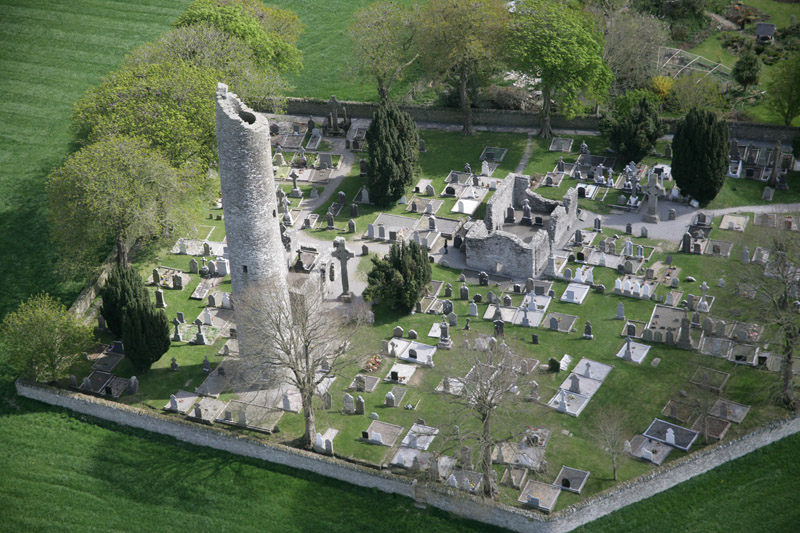
Monasterboices High Crosses and Monastic Site
Monasterboices High Crosses and Monastic Site is a historical landmark located in Co. Louth. The site represents an important example of early Christian monastic heritage in Ireland, featuring distinctive high crosses and the remains of a monastic settlement. Visitors to such sites typically encounter carved stone crosses, ecclesiastical ruins, and insight into medieval religious life. The locality of Co. Louth contains numerous sites of archaeological and historical significance, making it a destination for those interested in Ireland's early Christian period and monastic tradition.
Monasterboice Round Tower
Monasterboice Round Tower is a historical landmark located in Co. Louth. This ancient structure stands as a significant example of early medieval Irish architecture. Round towers were typically constructed between the 9th and 12th centuries and served various purposes within monastic communities, including bell towers and places of refuge. Visitors to this historical site in Co. Louth can observe the distinctive cylindrical stone construction and appreciate its place in Ireland's rich architectural heritage.
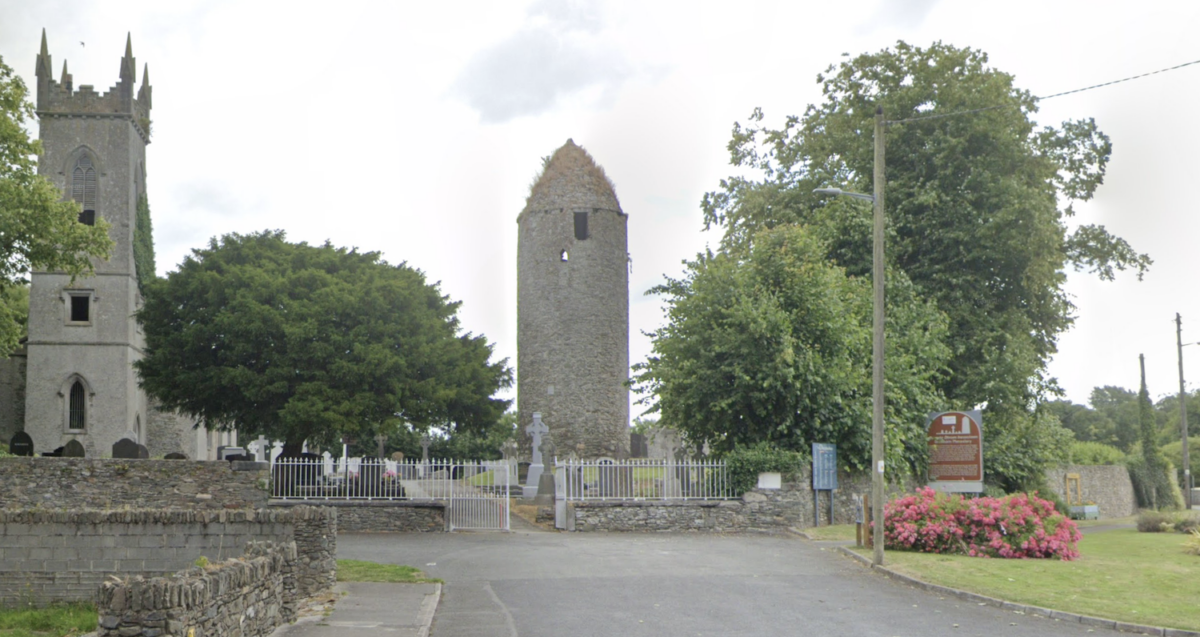
Dromiskin Monastic Site
Dromiskin, Co. Louth is home to Dromiskin Monastic Site, a historical landmark of significance to the locality and wider region. This historical place draws visitors interested in Ireland's monastic heritage and medieval history. The site represents an important part of the county's archaeological and cultural landscape. Tourists and history enthusiasts visit to experience the tangible remains of monastic settlement and to understand the role such communities played in Irish history. Historical landmarks like this offer insight into past centuries and the development of Irish society.
St Laurence Gate
St Laurence Gate is a historical landmark located in Drogheda, Co. Louth. This medieval structure stands as a significant tourist attraction and historical place within the town. Visitors to Drogheda interested in exploring the area's rich heritage will find this landmark noteworthy. Historical sites such as this offer insight into the architectural and cultural development of Irish towns through the centuries. The gate represents an important part of Drogheda's medieval past and continues to draw those keen to understand local history and heritage.
Cú Chulainn’s Standing Stone (Lia Lingadon)
Brigid of Faugart Mural
Old Abbey
A historical landmark in Drogheda, Co. Louth, Old Abbey stands as a significant site reflecting the area's rich past. Historical landmarks such as this offer visitors an opportunity to connect with local heritage and understand the cultural development of their surroundings. The town of Drogheda has long been an important centre in Irish history, and sites like Old Abbey contribute to the broader narrative of the region's evolution through centuries past.
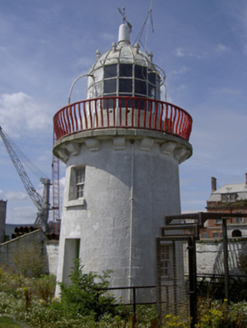
Greenore Lighthouse
Greenore Lighthouse in Greenore, Co. Louth is a disused, freestanding two-stage lighthouse built in 1830. It has a circular plan and tapered profile with a flat roof and a domed light. The lighthouse is constructed of painted ashlar stone with a projecting plinth and corbelled brackets. It forms a group with the associated former lighthouse keeper's house and was built by George Halpin Snr.
Maid of Erin
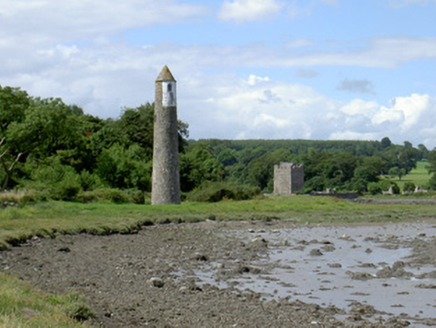
Newry River Lighthouse
As a Historical Landmark in Co. Louth, the Newry River Lighthouse is a freestanding light beacon, built around 1880. It is one of a pair and has a circular plan with a tapering shaft and conical roof. The structure features ashlar granite for the roof and rubble granite for the walls, with shallow pointed arch window openings. The lighthouse beacon serves a practical navigational function and contributes to the character of the lough.
Castletown River Bridge
St. Mary's Abbey
A historical landmark located in Louth Village, Co. Louth, St. Mary's Abbey represents an important part of Ireland's architectural and cultural heritage. Such sites offer visitors insight into the country's medieval past and monastic traditions. Historical landmarks like this serve as tangible connections to previous centuries, attracting those interested in Irish history, heritage tourism, and architectural significance. The locality of Louth Village provides a setting rich with historical context, making it a destination for heritage enthusiasts and those exploring the county's cultural landscape.
Hill of Faughart Viewing Point
Aghnaskeagh Cairns and Portal Tomb
Aghnaskeagh Cairns and Portal Tomb is a historical landmark in Co. Louth. It features two excavated cairns. The first cairn is oval and contains the remains of an uncapped portal dolmen. Excavations of this cairn revealed Neolithic and Bronze Age pot shards, cremated bones, a blue glass bead, and six Bronze Age cists. The second, more round cairn has four Neolithic burial chambers and an early Christian era burial chamber. Excavations here found cremated bone, pot shards, and flints.
Castletown Cemetery

St John's Well
Rhythm and Rhyme sculpture
Roosky Priory (Remains)
Claret Rock Tower
Dundalk Famine Graveyard
Lookout Post 1
Mount Ash Motte
The Blackrock Lifeboat
Pope's Cross
Townley Hall Main House
Townley Hall Main House is a historical landmark located in Drogheda, Co. Meath. Historical landmarks often provide visitors with a glimpse into the past, showcasing architectural styles and offering insights into the lives and events of previous eras. Such sites contribute significantly to local heritage and tourism, drawing interest from those curious about Ireland's history and culture. These places can serve as educational resources and focal points for community appreciation of historical significance.
Magdalene Tower
St. Oliver Plunkett Shrine
Our Lady's Well
Ardee Railway walk

St John's bridge
St John's Bridge is a historical landmark situated in Co. Louth. Historical landmarks serve as important markers of the past, offering insights into the region's heritage and architectural evolution. Such sites often become focal points for local history and cultural appreciation, drawing visitors interested in the stories and structures that define a place. Preservation and understanding of these landmarks are key to maintaining a connection with the past for future generations. St John's Bridge contributes to the historical tapestry of Co. Louth.
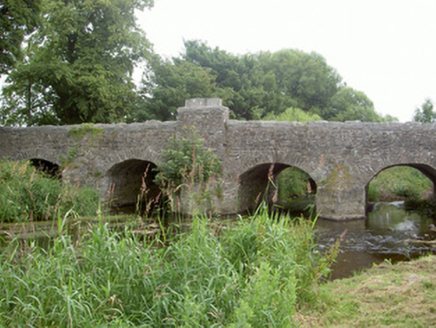
Bellews Bridge (Coffin Bridge)
Co. Louth is home to Bellews Bridge, a historical landmark. Such sites often serve as important markers of local heritage, providing insights into the past for visitors and residents alike. Historical landmarks can be found throughout Ireland, each with its own unique story and significance. They are valuable assets to their communities, contributing to local identity and offering educational opportunities. Bellews Bridge is part of this rich tapestry of Irish history and culture.
Louth Churches and Oratory
Louth Churches and Oratory is a historical landmark located in Co. Louth. Historical landmarks serve as important sites for understanding the past, often showcasing architectural significance and cultural heritage. Many such sites across Ireland offer visitors a glimpse into the lives and times of previous generations, providing educational and enriching experiences. Exploring these locations can deepen an appreciation for local history and the enduring legacy of communities.
Proleek Wedge Tomb

Linn Duachaill (Viking Settlement)
Linn Duachaill is a historical landmark located in Co. Louth. Historical landmarks offer visitors a glimpse into the past, often featuring ancient ruins, archaeological sites, or significant historical events. These sites are important for understanding local heritage and the broader story of Ireland. Exploring such places can be an educational and enriching experience, connecting people with the landscapes and stories of previous generations. Co. Louth itself has a rich historical tapestry, with many sites reflecting its long and varied past.
St Colman's Well
Roodstown Castle
Ravensdale Stone Circle
St Brigid’s Well
The Tholsel
The Tholsel is a Historical Landmark located in Carlingford, Co. Louth. Historical landmarks often serve as important points of reference within a community, reflecting its past and contributing to its unique character. Visitors to such sites can gain insights into local heritage and the historical development of an area. The Tholsel stands as a point of interest for those exploring Carlingford and the surrounding Co. Louth region.
Kelly's Monument
Dundalk Windmill
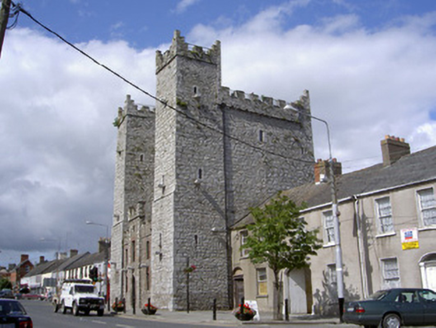
Ardee Castle
Ardee Castle is a historical landmark located in Ardee, Co. Louth. Historical landmarks often provide a window into the past, offering insights into local heritage and significant events. Such sites can be important centres for tourism and education, drawing visitors interested in history and culture. Many historical landmarks are preserved for their architectural merit or their association with notable figures or periods.
Clochafarmore Standing Stone (Chúchalainn's Stone)
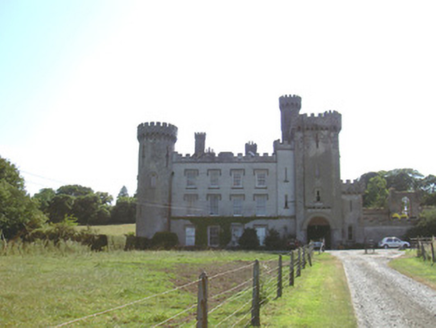
Barmeath Castle
Togher, Co. Louth is home to Barmeath Castle. As a historical landmark, it stands as a point of interest within the local landscape. Historical landmarks across Ireland often provide insights into the region's past, serving as tangible links to heritage and history. Such sites can be significant for local identity and for visitors seeking to explore Ireland's rich historical tapestry.
Blackrock Sundial
Co. Louth is home to the Blackrock Sundial, a historical landmark. Such landmarks often serve as focal points for local communities and provide valuable insights into the area's past. They can be sites of interest for both residents and visitors, offering a connection to local heritage. Many historical landmarks contribute to the unique character of their surrounding towns and counties, making them important features of the Irish landscape. The Blackrock Sundial is part of this rich tradition of preserving local history and heritage for all to appreciate.
Jumping Church
Ladywell Shrine
Moyry Castle
Moyry Castle is a historical landmark located in Newry, Co. Louth. Castles like this often stand as significant points of interest, offering visitors a glimpse into the past. Such sites are frequently important for local heritage and can attract people interested in history and architecture. Many historical landmarks in Ireland have played a role in the country's long and varied story.
Gyles Quay Pier
Cú Chulainn's Castle
Cú Chulainn's Castle is a Historical Landmark located in Dundalk, Co. Louth. Historical landmarks across Ireland serve as important sites for understanding the nation's past. They often represent significant events, architectural styles, or cultural heritage. Visitors to such sites can learn about local history and heritage. Dundalk and the surrounding County Louth area have a rich historical tapestry, with many sites offering insight into Ireland's story.
Hill of Faughart
Faughart Upper in County Louth is home to Hill of Faughart, a historical landmark of significance to the locality. This historical place draws visitors interested in exploring the heritage and past of the area. Historical landmarks such as this serve as important touchstones for understanding local history and culture, offering opportunities for visitors to connect with the stories and events that have shaped the region. The site represents an important part of Louth's historical landscape and remains a point of interest for those exploring the county's notable locations and heritage sites.
Carlingford Priory
Carlingford Priory is a historical landmark located in Carlingford, Co. Louth. This site represents an important part of the area's medieval heritage and attracts visitors interested in exploring Ireland's rich historical past. Historical landmarks such as this offer insight into the architectural and cultural developments of earlier centuries. Visitors to Carlingford can experience the significance of this location whilst discovering the broader history of the locality and its role in Irish heritage.

Dunmahon Castle
Haynestown in County Louth is home to Dunmahon Castle, a historical landmark that reflects the area's rich architectural heritage. This historical place stands as a point of interest for those exploring the locality's past. Visitors to the region often seek out such landmarks to understand the historical context and development of their surroundings. County Louth contains numerous sites of historical significance, and Dunmahon Castle contributes to the broader tapestry of the area's cultural landscape.
Agnes Burns Cottage and Visitor Centre
A historical landmark in Co. Louth, Agnes Burns Cottage and Visitor Centre preserves and interprets the heritage of the locality. The site welcomes visitors interested in exploring local history and understanding the cultural significance of the area. Historical landmarks such as this play an important role in communities, offering opportunities to connect with the past and learn about the people and events that have shaped the region over time. Visitors can expect to gain insights into the history and heritage that define Co. Louth.
Louth Hall Castle, Co. Louth
Co. Louth is home to Louth Hall Castle, a historical landmark that offers visitors insight into the region's past. As a historical place, the castle stands as a tangible connection to local heritage and architecture from bygone eras. Those interested in history and heritage will find value in exploring such landmarks, which often provide context for understanding the development and character of their surrounding areas. Historical sites like this serve as important repositories of cultural memory and attract those seeking to deepen their knowledge of Irish history and local traditions.
Long Woman's Grave
Long Woman's Grave is a historical landmark located in Co. Louth, representing an important part of the county's archaeological heritage. This site attracts visitors interested in local history and heritage. Historical landmarks such as this offer insights into past communities and their cultural significance. Co. Louth contains numerous sites of historical interest that reflect the region's rich past. Visitors exploring the area often discover various monuments and landmarks that tell stories of earlier periods. Such places serve as tangible connections to history and provide educational value for those seeking to understand Ireland's heritage.
Carlingford Castle
Carlingford, Co. Louth is home to Carlingford Castle, a historical landmark that draws visitors interested in the area's past. This historical place stands as a significant tourist attraction within the locality. Carlingford itself has long been a destination for those exploring Irish heritage and medieval architecture. The castle represents an important part of the region's historical narrative and continues to attract those keen to understand the history of Co. Louth and its cultural significance.
Kilwirra Church Ruins
Kilwirra Church Ruins is a historical landmark located in County Louth. The site offers visitors an opportunity to explore the remnants of a church structure with historical significance to the locality. Historical landmarks such as this provide insight into the architectural and cultural heritage of the region. Those interested in local history, archaeology, or heritage tourism often visit such sites to experience the tangible connections to Ireland's past and to appreciate the craftsmanship of earlier periods.
Termonfeckin Castle
A historical landmark located in Termonfeckin, Co. Louth, Termonfeckin Castle represents an important part of the region's heritage. Historical sites such as this offer visitors insight into local history and architecture from earlier periods. The castle stands as a reminder of the area's past, attracting those interested in exploring Ireland's historical landscape. Visitors to Co. Louth can discover various historical places that reflect the county's rich cultural legacy and significance throughout the centuries.
Proleek Dolmen
Dundalk, Co. Louth is home to Proleek Dolmen, a significant historical landmark that draws visitors interested in Ireland's prehistoric heritage. This historical place stands as evidence of ancient settlement and burial practices in the region. Dolmens are megalithic structures dating back thousands of years, constructed from large stone slabs arranged to form a chamber. The site functions as a tourist attraction for those exploring the archaeological richness of County Louth and learning about the Bronze Age and Neolithic periods that shaped Irish history.
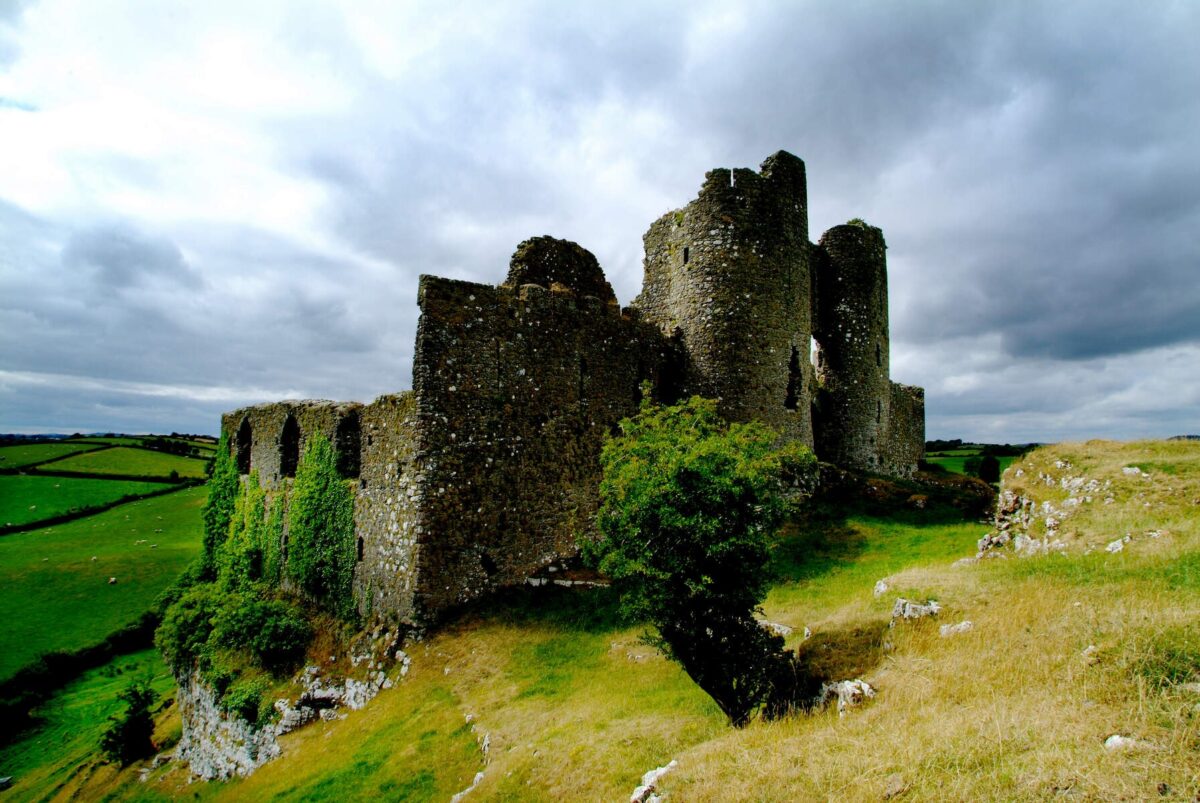
Castle Roche
Castle Roche is a historical landmark located in Co. Louth, offering visitors a glimpse into Ireland's medieval past. This castle stands as a significant historical place, drawing those interested in Irish heritage and architecture. Visitors to Co. Louth can explore the structure and learn about the region's historical importance. Historical landmarks such as this provide valuable insight into the cultural and architectural traditions that shaped Ireland over centuries. A visit offers an opportunity to experience authentic Irish history firsthand.
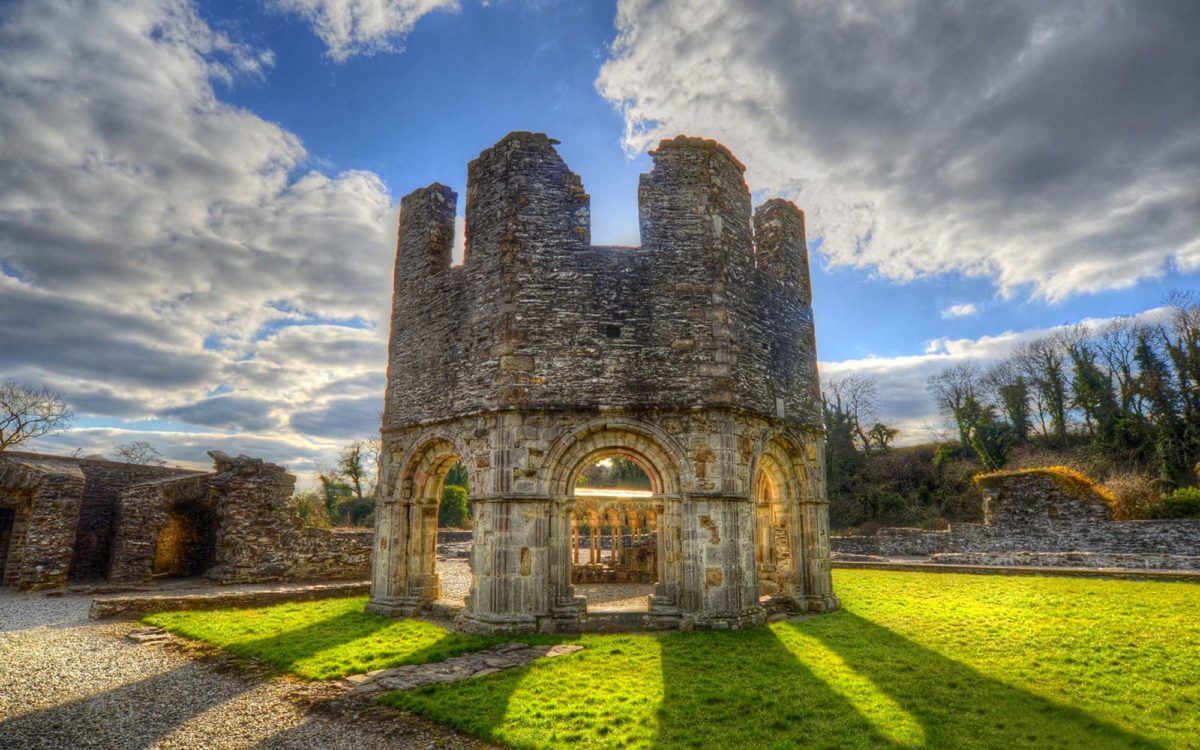
Old Mellifont Abbey
A historical landmark situated in Tullyallen Village, Co. Louth, Old Mellifont Abbey stands as a significant site of cultural and architectural heritage. Visitors to this historical place can explore the remains and learn about its importance in Irish history. Historical landmarks such as this offer insights into the country's past and provide opportunities for those interested in heritage tourism. The site welcomes those seeking to understand the historical context and development of the locality and wider region through its structures and grounds.
Related categories in Louth
Browse by town in Louth
Good to know
Historical Landmark in Louth — your questions answered
How many historical landmark businesses are there in Louth?
We list 62 historical landmark businesses across Co. Louth. The largest concentrations are in Dundalk (12), Drogheda (4) and Carlingford (4).
How do I find historical landmark near me in Louth?
Tap “Near me” at the top of the list to sort the 62 historical landmark businesses in Co. Louth by distance from your current location and see the closest first.
Which historical landmark businesses in Louth are rated best?
45 of the 62 historical landmark businesses in Co. Louth carry a customer rating, averaging 4.4 out of 5. The full ranking is at locallyirish.ie/best-of/historical-landmark/louth, where each entry states whether the score comes from reviews left here or from Google.
How complete are the historical landmark listings for Louth?
Of 62 historical landmark businesses in Co. Louth, 10 publish a phone number and 44 list their opening hours. A claimed listing carries a Verified badge on its profile.
Can I add my business in Louth?
Yes — a listing is free and goes live within minutes. Premium (€9/month) adds priority placement in this list.
Own a historical landmark business in Louth?
List free and get discovered by local customers searching in Louth.
List Your Business Free