Leinster · Ireland
Historical Landmark in Carlow
32 historical landmark businesses listed in Co. Carlow — contact details, opening hours and reviews, all in one place. Use “Near me” to see the closest to you.
Co. Carlow has 32 historical landmark businesses listed on LocallyIrish, with the largest concentrations in Carlow (9), Leighlinbridge (2) and Clohastia (2). Every profile includes contact details and, where the business provides them, opening hours, reviews and a map. Tap Near me to sort by distance and find the closest to you.
Historical Landmark by town in Co. Carlow
Nothing matches that filter — clear it to see all listings.
Duckett's Grove Gate Lodge
Co. Carlow is home to Duckett's Grove Gate Lodge, a historical landmark that reflects the area's architectural heritage. Gate lodges formed an important part of estate entrances throughout Ireland, serving as both functional structures and distinctive features of the landscape. These Victorian-era buildings often demonstrate the craftsmanship and design sensibilities of their period. Visitors to Co. Carlow interested in local history and heritage architecture will find such landmarks valuable in understanding the county's past and the estates that shaped its character over generations.
Ballymoon Castle
A historical landmark situated in Co. Carlow, Ballymoon Castle stands as a notable example of medieval Irish architecture. Castles of this type represent important cultural heritage sites that draw visitors interested in Irish history and heritage. The structure offers insight into the defensive architecture and settlement patterns of medieval Ireland. Such landmarks serve as significant tourist attractions, providing opportunities for visitors to explore and learn about the region's past. Those visiting Co. Carlow with an interest in historical sites will find this castle a point of interest within the county's broader landscape of heritage attractions.
Clonmore Castle
Hacketstown, Co. Carlow is home to Clonmore Castle, a historical landmark comprising medieval ruins dating to the 1200s. The castle remains largely undeveloped for visitors, allowing exploration of the original structures including chapel ruins in a quiet, scenic setting. Free informal parking is available nearby. The site is accessible without modern safety infrastructure, offering an authentic experience of the ruins. A brief visit typically takes around thirty minutes and suits those interested in viewing genuine historical castle remains.
Oak Park Triumphal Arch
Oak Park Triumphal Arch is a historical landmark located in Carlow, Co. Carlow. This structure represents an important part of the local heritage and stands as a notable point of interest within the county. Historical landmarks such as this serve as tangible connections to the past, offering visitors and residents alike an opportunity to engage with the area's cultural and architectural history. The arch exemplifies the type of historical site that contributes to understanding Carlow's development and significance throughout the centuries.
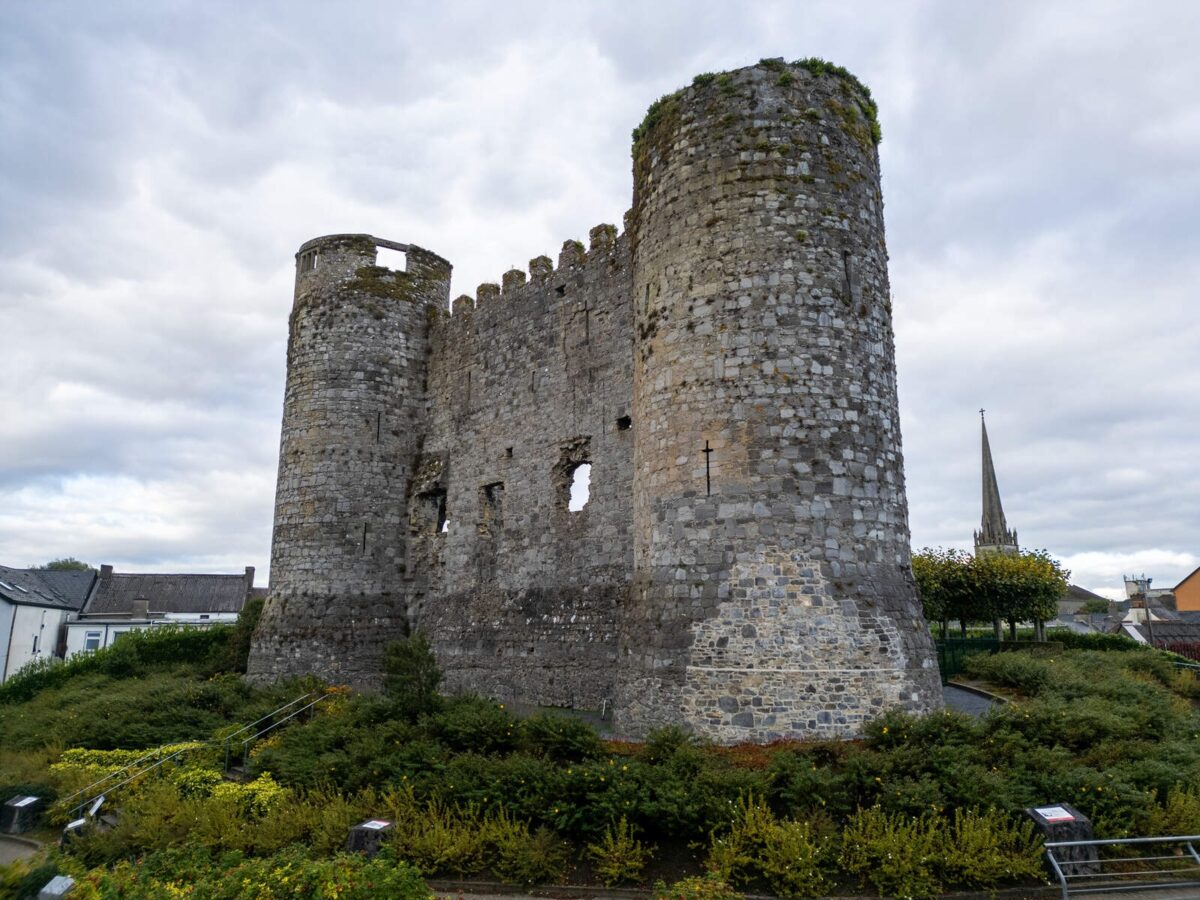
Carlow Castle
A historical landmark in Carlow, Co. Carlow, Carlow Castle stands as a significant point of interest for visitors exploring the locality. Castles across Ireland serve as important windows into the country's medieval heritage and architectural history. Such sites typically attract those interested in learning about local history, heritage, and the evolution of Irish fortifications. Carlow Castle offers an opportunity to experience a tangible connection to the past and understand the historical context of the region. Visitors to historical landmarks like this often find them valuable for education, photography, and appreciation of Ireland's cultural landscape.
Carlow Sugar Factory site
Carlow Sugar Factory site is a historical landmark located in Carlow, County Carlow. This significant historical place represents an important chapter in the area's industrial heritage. Historical landmarks such as this offer visitors insight into the economic and social development of their locality, preserving memories of bygone eras. The site stands as a tangible connection to Carlow's past, documenting the industrial activities that once shaped the region. Those interested in local history, industrial archaeology, or the heritage of County Carlow may find value in exploring what remains of this historical location.
Water Bailiff's Hut
Standing Stones
Ballytiglea (Ballyteigelea) Lock

Fenniscourt Lock
Ballyellen, Co. Carlow is home to Fenniscourt Lock, a historical landmark. Historical landmarks across Ireland serve as important connections to the past, often preserving stories and structures from bygone eras. These sites contribute significantly to the cultural heritage and identity of their local areas. Many such landmarks attract visitors interested in history and heritage, offering a glimpse into Ireland's rich and varied past. Fenniscourt Lock is part of this wider landscape of historical sites.

Bagenalstown Lock
Muine Bheag, Co. Carlow, is home to Bagenalstown Lock, a historical landmark. Canals and navigations were once vital arteries for trade and transport across Ireland, connecting communities and facilitating the movement of goods. Many of these waterways feature locks, ingenious engineering marvels designed to raise and lower boats between different water levels. Historical landmarks like Bagenalstown Lock offer a tangible connection to this industrial past, allowing visitors to appreciate the ingenuity of past generations and the landscape's evolution. Such sites often serve as focal points for local heritage and tourism.
Clogrennane House
Chaplestown Culm Crusher
Rathoe Hall
Mass Rock Clashganny
Viaduct Muine Bheag
Viaduct Muine Bheag is a historical landmark located in Co. Carlow. This structure stands as a notable point of interest within the local landscape. Historical landmarks often serve as important reminders of past engineering feats and the development of infrastructure in an area. Such sites can be of interest to those exploring local heritage and the architectural evolution of a region. Viaduct Muine Bheag contributes to the historical fabric of Co. Carlow, offering a glimpse into its past.
Aghade Holed Stone
Haroldstown Dolmen
Milford Mill
Clashganny Lock
Ballyknockan Church Ruins and Cemetery
Leighlinbridge in Co. Carlow is home to Ballyknockan Church Ruins and Cemetery, a historical landmark that offers visitors a glimpse into the area's past. The ruins and cemetery provide insight into local heritage and the religious history of the region. Historical landmarks such as this serve as important records of Ireland's architectural and cultural development over centuries. Visitors to the locality can explore the site and appreciate its significance within the broader context of Carlow's historical landscape.
County Carlow Military Museum
County Carlow Military Museum is a historical landmark and museum located in Carlow, Co. Carlow, dedicated to preserving and presenting military heritage. As a tourist attraction, the museum offers visitors an opportunity to explore artefacts, exhibits and historical narratives related to military history in the region and beyond. Museums of this type typically serve as educational resources for those interested in understanding the past through carefully curated collections and displays. The venue provides an insight into how military history has shaped local and national identity throughout different periods.
Burrin Manor Park & Gardens
A historical landmark situated in Carlow, Co. Carlow, Burrin Manor Park & Gardens offers visitors the opportunity to explore a significant site of local heritage. The grounds provide a setting for experiencing the historical character of the county. Tourists visiting the area will find this attraction provides insight into the region's past and the natural landscape that surrounds it. Such sites serve as important repositories of cultural memory and offer peaceful spaces for reflection and learning about Ireland's varied heritage.
Ballytiglea Bridge
Co. Carlow is home to Ballytiglea Bridge, a historical landmark that draws the interest of visitors exploring the county's heritage. Historical landmarks such as this serve as tangible connections to Ireland's past, offering insight into the architectural and engineering practices of earlier eras. The bridge represents an important part of the local landscape and the broader story of Carlow's development. Those with an interest in history, heritage, and traditional Irish structures often seek out such sites during their time in the region.
Rathnageeragh Castle Ruin Co Carlow
Rathnageeragh Castle Ruin Co is a historical landmark located in County Carlow. This site represents an important part of the county's architectural heritage and offers visitors an opportunity to explore the region's past. Historical landmarks such as castle ruins provide insight into medieval Irish history and construction methods. Those interested in local heritage, archaeology, or simply seeking to understand Carlow's historical significance will find such sites valuable. The castle ruin stands as a tangible connection to centuries past, reflecting the area's cultural and historical importance within the broader Irish landscape.
The Black Castle
The Black Castle is a historical landmark located in Leighlinbridge, Co. Carlow. This historical place stands as a notable point of interest for visitors to the area. Historical landmarks such as this offer insight into the heritage and architectural legacy of their locality. Leighlinbridge and its surrounding region in Carlow hold significant historical importance, and sites like The Black Castle contribute to understanding the area's past. Those interested in history and heritage may find such landmarks worthwhile destinations when exploring the county.
The Nine Stones
A historical landmark in Co. Carlow, The Nine Stones represents an important part of the local heritage landscape. Historical sites such as this offer visitors a tangible connection to the past and an opportunity to explore the cultural significance of the area. These landmarks often attract those interested in archaeology, local history, and traditional Irish heritage. The Nine Stones stands as a point of interest for those exploring the historical attractions and natural character of Co. Carlow, contributing to the county's rich tapestry of historical places and cultural landmarks.
The shed
A historical landmark situated in Carlow, Co. Carlow, The Shed represents a point of local heritage interest. Historical landmarks serve as tangible connections to the past, offering visitors insight into the cultural and social fabric of their communities. Such sites are often preserved to maintain their architectural or cultural significance for future generations. In Carlow, landmarks like this contribute to the county's broader historical narrative and provide opportunities for those interested in exploring local history and heritage.

Carlow County Museum
Carlow, Co. Carlow is home to Carlow County Museum, a historical landmark dedicated to preserving and presenting the county's past. The museum serves as both a repository of local heritage and a resource for visitors seeking to understand Carlow's history and cultural significance. Museums of this type typically house artefacts, documents, and exhibits spanning various periods, offering insight into the lives, events, and traditions that have shaped the region. The venue functions as a tourist information centre, helping visitors navigate the area and discover points of interest throughout the county.
Huntington Castle & Gardens
Clonegall, Co. Carlow is home to Huntington Castle & Gardens, a historical landmark that draws visitors interested in Ireland's architectural heritage. The castle and its grounds offer a glimpse into the country's past, whilst the on-site café provides refreshment during a visit. As a tourist attraction, the location combines historical significance with modern visitor amenities, making it accessible to those exploring the locality. The gardens complement the castle experience, creating a destination for those seeking to learn about and experience local history in a scenic setting.
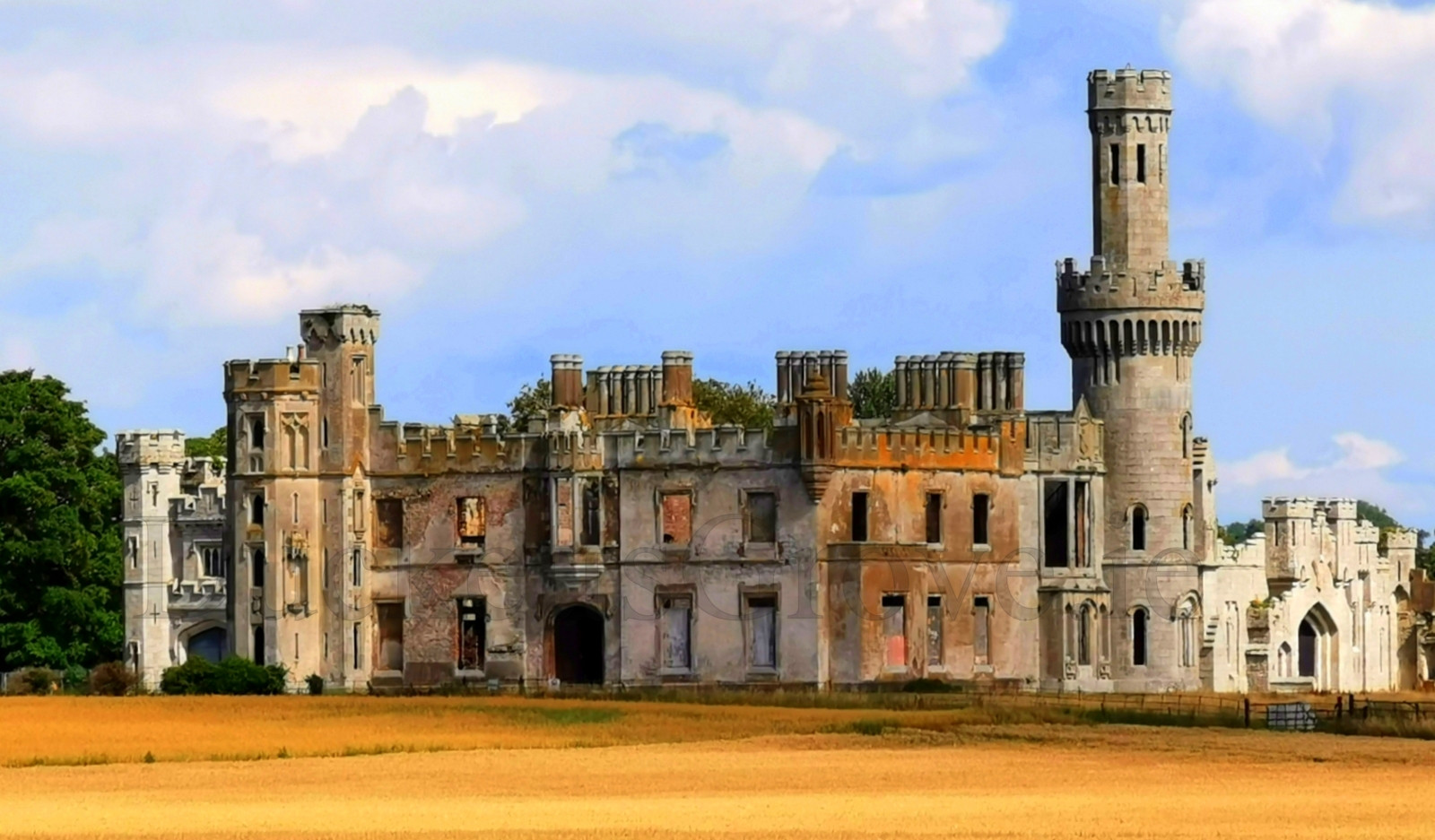
Duckett's Grove
Duckett's Grove is a historical landmark located in Duckett's Grove, Co. Carlow. This site represents an important part of the region's heritage and offers visitors an opportunity to explore local history. Historical landmarks such as this serve as windows into Ireland's past, preserving stories and structures that have shaped communities over generations. The landmark attracts those interested in discovering more about Carlow's cultural and historical significance, making it a point of interest for heritage enthusiasts and tourists exploring the county.
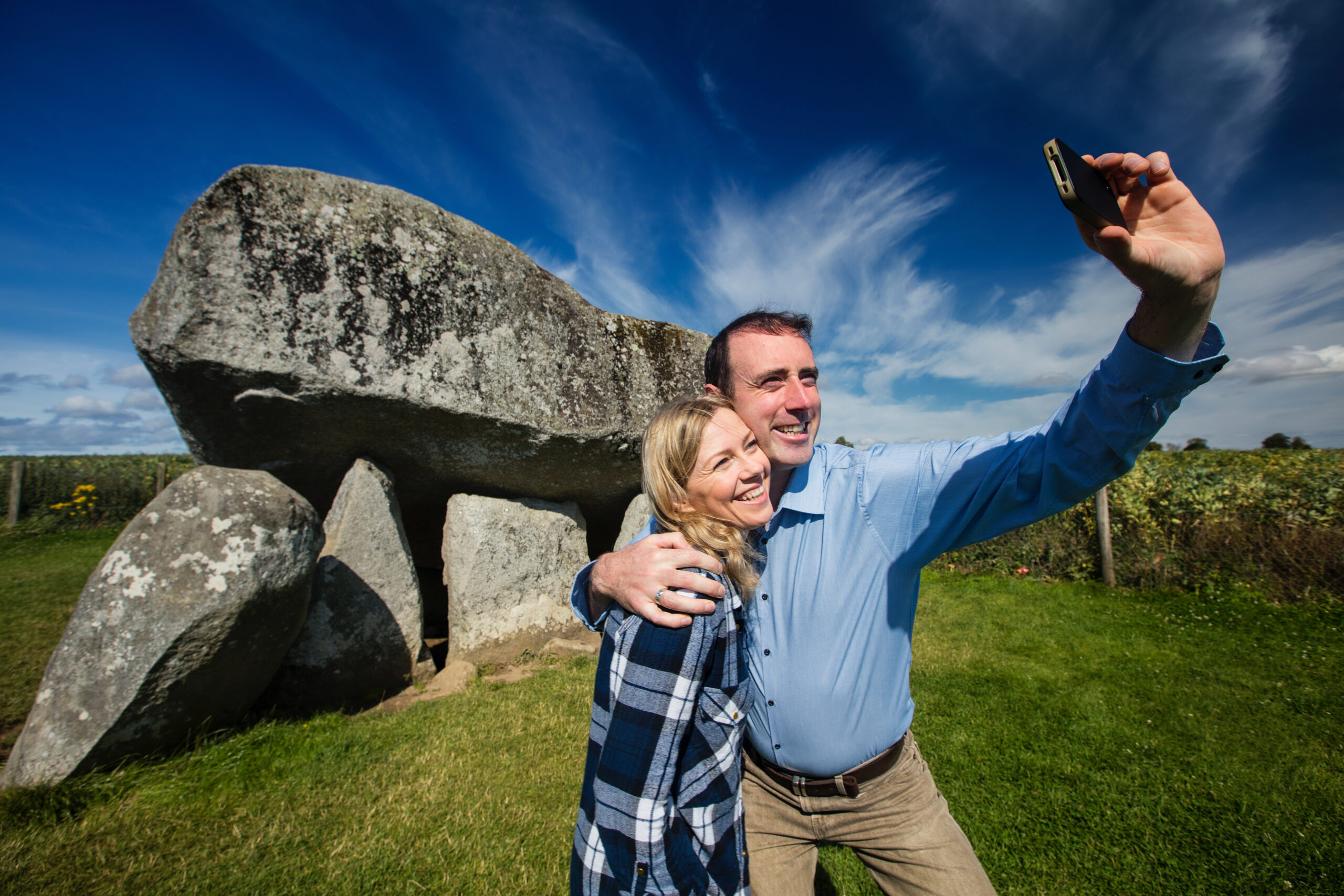
Brownshill Portal Tomb (Dolmen)
A historical landmark located in Carlow, Co. Carlow, Brownshill Portal Tomb stands as a significant archaeological site. Portal tombs are ancient megalithic structures dating back thousands of years, representing important remnants of Ireland's prehistoric heritage. These monuments offer visitors insight into the burial practices and engineering capabilities of early Irish societies. The site attracts those interested in history, archaeology, and heritage tourism. Carlow is home to various historical attractions, making it a destination for those exploring the county's rich past and cultural significance.
Related categories in Carlow
Browse by town in Carlow
Good to know
Historical Landmark in Carlow — your questions answered
How many historical landmark businesses are there in Carlow?
We list 32 historical landmark businesses across Co. Carlow. The largest concentrations are in Carlow (9), Leighlinbridge (2) and Clohastia (2).
How do I find historical landmark near me in Carlow?
Tap “Near me” at the top of the list to sort the 32 historical landmark businesses in Co. Carlow by distance from your current location and see the closest first.
Which historical landmark businesses in Carlow are rated best?
20 of the 32 historical landmark businesses in Co. Carlow carry a customer rating, averaging 4.5 out of 5. The full ranking is at locallyirish.ie/best-of/historical-landmark/carlow, where each entry states whether the score comes from reviews left here or from Google.
How complete are the historical landmark listings for Carlow?
Of 32 historical landmark businesses in Co. Carlow, 4 publish a phone number and 15 list their opening hours. A claimed listing carries a Verified badge on its profile.
Can I add my business in Carlow?
Yes — a listing is free and goes live within minutes. Premium (€9/month) adds priority placement in this list.
Own a historical landmark business in Carlow?
List free and get discovered by local customers searching in Carlow.
List Your Business Free