Connacht · Ireland
Historical Landmark in Sligo
118 historical landmark businesses listed in Co. Sligo — contact details, opening hours and reviews, all in one place. Use “Near me” to see the closest to you.
Co. Sligo has 118 historical landmark businesses listed on LocallyIrish, with the largest concentrations in Sligo (17), Strandhill (4), Ballindoon (4) and Saltport (3). Every profile includes contact details and, where the business provides them, opening hours, reviews and a map. Tap Near me to sort by distance and find the closest to you.
Historical Landmark by town in Co. Sligo
Nothing matches that filter — clear it to see all listings.
Easky Tower
Co. Sligo is home to Easky Tower, a historical landmark that stands as a notable point of interest in the region. Historical landmarks such as this serve as tangible connections to Ireland's past, offering visitors insight into the architectural and cultural heritage of their localities. Easky Tower represents the type of historical structure that draws those interested in exploring the county's rich past and understanding the evolution of settlement patterns throughout Sligo. Such landmarks contribute significantly to local heritage tourism and provide opportunities for visitors to engage with the area's historical narrative.
The Metal Man
The Metal Man is a historical landmark located at Rosses Point, Co. Sligo. This heritage site features distinctive sculptures and offers scenic coastal views across the ocean. Visitors can explore an accessible walking path with information displays about the location's history. The landmark provides a quick stop from Sligo town, suitable for a short walk with viewpoints that showcase the surrounding landscape and seascape on clear days.
Constance Markievicz House
A historical landmark in Sligo, Co. Sligo, Constance Markievicz House offers visitors an insight into Irish history and heritage. Historical sites such as this serve as important cultural repositories, preserving the stories and legacies of significant figures in Ireland's past. Tourist attractions of this nature typically draw those interested in learning about local and national history. Visitors to Sligo can explore the area's rich historical offerings, with landmarks providing context for understanding the county's role in Ireland's broader narrative.
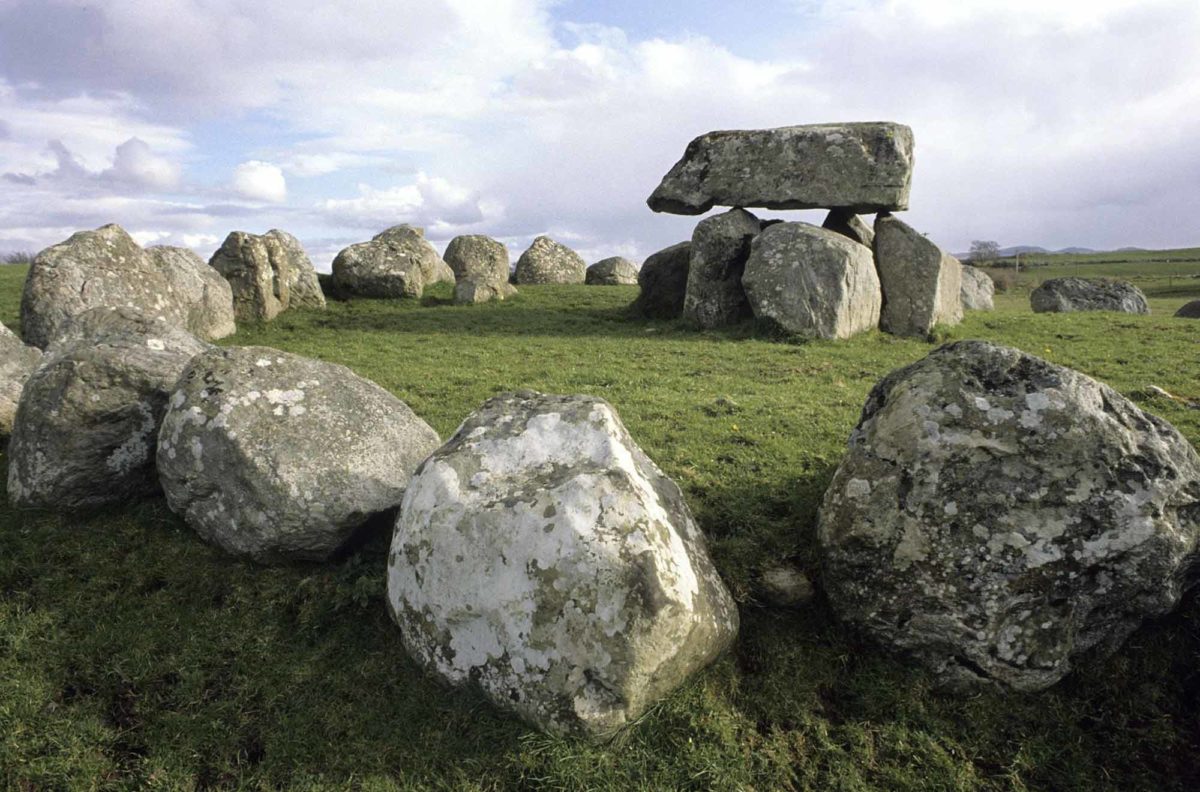
Carrowmore Megalithic Cemetery
Co. Sligo is home to Carrowmore Megalithic Cemetery, a significant historical landmark and tourist attraction. This ancient site comprises a substantial collection of megalithic structures, offering visitors insight into prehistoric burial practices and archaeological heritage. The cemetery represents an important chapter in Ireland's early history, drawing those interested in archaeology, history, and cultural heritage. Visitors to the area can explore the site and learn about the Neolithic period through its distinctive monuments and interpretive information available on location.
Monument to Captain Bartholomew Teeling
Monument to Captain Bartholomew Teeling is a historical landmark located in County Sligo. This monument commemorates an important figure from Irish history. Historical landmarks such as this serve as physical reminders of significant events and individuals who shaped the nation's past. Visitors to County Sligo can explore the area's rich historical heritage through such monuments, which provide insight into local and national history. These landmarks offer opportunities for reflection and education about Ireland's complex historical narrative.
Carns (Duke) Passage Tomb
Sligo is home to Carns Passage Tomb, a historical landmark of archaeological significance. This ancient structure represents an important example of Neolithic burial architecture found throughout Ireland. Passage tombs such as this one were constructed thousands of years ago and continue to offer visitors insight into prehistoric Irish society and burial practices. The site provides an opportunity to explore the region's rich archaeological heritage and understand the cultural practices of early inhabitants. Those interested in history and archaeology will find this landmark a worthwhile destination within County Sligo.
Abbeyquarter Passage Tomb "the fort"
Abbeyquarter Passage Tomb "the fort" is a historical landmark located in Sligo, Co. Sligo. This ancient structure represents an important part of Ireland's prehistoric heritage, offering visitors insight into the archaeological significance of the region. Passage tombs are among Ireland's most distinctive megalithic monuments, typically dating back thousands of years. The site attracts those interested in history, archaeology, and the cultural landscape of Sligo. Exploring such landmarks provides context for understanding how early communities lived and their burial practices across the island.
St. Ciarán's Holy Well
Tawnatruffaun Megalithic Tomb ( Giant's Griddle )
The Frenchman's Grave.
The Old Cliff Baths
The Black Pig

Enniscrone Castle
Enniscrone, Co. Mayo is home to Enniscrone Castle, a historical landmark. Historical landmarks across Ireland offer visitors a glimpse into the nation's past. These sites often provide opportunities for reflection and learning about local heritage. Exploring such places can be an enriching experience, connecting people with the stories and structures that have shaped communities. Enniscrone Castle stands as a point of interest within the local landscape.
Killaraght Old Cemetery
Boundary Marker
Cailleach a'Bheara/passage tomb
Icehouse
St. Patrick's Well
Ringfort (V)
Elsinore House
St. Columbkille Well
Gortlownan Motte
Dúneel Promontory Fort
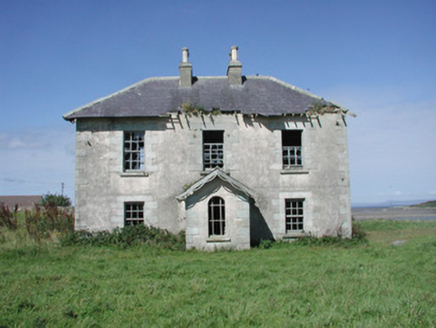
Mount Temple House
Mount Temple House is a historical landmark located in Grange, Co. Sligo. Historical landmarks across Ireland provide valuable insights into the nation's past, often serving as focal points for local heritage and tourism. These sites can range from ancient ruins to grand estates, each telling a unique story of its time. Visitors to such locations typically find opportunities to learn about local history and culture. Grange, Co. Sligo, is home to this particular historical landmark.
Martin Moffatt memorial
Glencanburry Barite Mine
Barroe North Passage Tomb (Lugh's Seat)
Achonry Boulder Burial
Primrose Grange Megalithic Monuments
Tober Domhnaigh Holy Well

Knocknashee Hillfort
Knocknashee Hillfort is a historical landmark located in Sligo, Co. Sligo. Historical landmarks often provide a tangible link to the past, offering insights into the lives and activities of previous generations. These sites can be important for understanding local heritage and the development of communities. Exploring such locations can be an educational and engaging experience for visitors interested in history and archaeology.
Cashel Ringfort
Tanrego West Court Tomb
Killaspugbrone Court Tomb
Croaghaun Passage tomb
Wishing chair.
Holy Stone
Stuckera Stone
1922 memorial
Caltragh Pagan Burial Ground
Caltragh Pagan Burial Ground is a historical landmark located in Oakfield Cottages, Co. Sligo. Historical landmarks serve as vital links to the past, offering insights into the cultures, traditions, and lives of those who came before. Sites of historical significance often draw visitors interested in heritage and archaeology. Such places contribute to the cultural landscape of a region, preserving stories and memories for future generations. Caltragh Pagan Burial Ground is part of this important heritage.
Ringfort (lll)
Boundary Stone
Barnasrahy Stone-Row
Bowmore Head Battery
Tobernagrania Holy Well
Ringfort 2
Lecarrow Ring fort
Lisnalurg Neolithic Henge
Co. Sligo. Lisnalurg Neolithic Henge is a historical landmark located in Co. Sligo. Such sites offer a connection to Ireland's ancient past, often serving as places of significant cultural or ceremonial importance from the Neolithic period. These ancient monuments are important for understanding early human settlement and development in the region. The preservation of such historical landmarks is vital for education and for appreciating the heritage of Ireland.
Barroe North Enclosure

Carn Uí hEaghra / Carniara
Carn Uí hEaghra is a historical landmark located in Lavagh, Co. Sligo. Historical landmarks across Ireland often serve as important markers of past events and cultural heritage. They can offer insights into local history and provide a focal point for community identity. Such sites are valuable for understanding the development of a region. This landmark is situated within the landscape of County Sligo.
Doonaveeragh Neolithic Enclosures
Mullaghmore, Co. Sligo is home to Doonaveeragh Neolithic Enclosures, a significant historical landmark. This ancient site offers a glimpse into Ireland's prehistoric past, showcasing the remarkable ingenuity of early inhabitants. Such landmarks are vital for understanding the cultural heritage and landscape development of Ireland. Visitors can explore the remnants of these enclosures, appreciating the enduring legacy of Neolithic peoples. It stands as a point of interest for those seeking to connect with the island's deep history.
Crannog
Rinn Rath
Ringfort l
The Cathedral Church of St Crumnathy
Court Tomb
Tully Rath
Gum Recycle Place
Cist Burial Structure
Muckelty Hill Cairn
Cabragh Wedge Tomb/The Giant's Grave
St. Feichin's Abbey (Ruins c.13th century)
Ballinlig Towerhouse
Maguins High Point
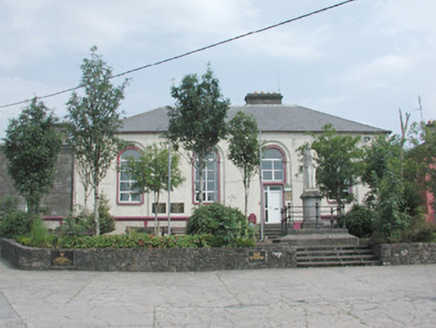
Ballymote Court House
Ballymote Court House is a historical landmark located in Co. Sligo. Historical landmarks across Ireland provide a window into the nation's past, often showcasing significant architectural styles and serving as centres for community life and legal proceedings through the ages. These sites contribute to the cultural heritage of their regions, attracting visitors interested in history and local heritage. Exploring such places can offer valuable insights into the development of towns and counties, reflecting the stories and events that have shaped them. Ballymote Court House is part of this rich tapestry of Irish history.
Larass Rath
Drumcliffe High Cross
Croagh Portal Tomb
Knockatotaun portal-tomb
Ringfort (lV)
Pilot House
Templehouse Castle
drumcliff St.Columba's Church
Coney Fort
Moytirra East Court Tomb
Rinn Ring Forts
Nobel Laureate Rabindranath Tagore Memorial
Nobel Laureate Rabindranath Tagore Memorial is a historical landmark located in Sligo, Co. Sligo. Historical landmarks serve as important sites for preserving cultural heritage and offering insights into the past. They often represent significant events, individuals, or eras, providing educational and enriching experiences for visitors. Such places contribute to the local identity and can be points of interest for both residents and tourists alike, fostering an appreciation for history and legacy.
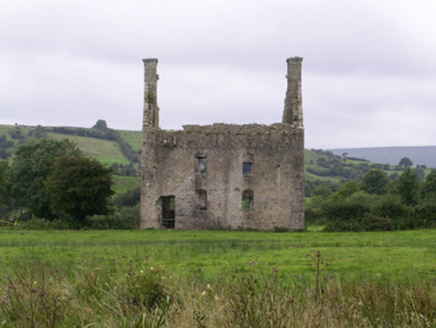
Castlebaldwin Fortified House
Co. Sligo is home to Castlebaldwin Fortified House, a historical landmark. Exploring historical landmarks can offer a window into the past, providing insights into the architecture, lifestyle, and significant events of previous eras. Such sites often serve as important educational resources and tourist attractions, drawing interest from those curious about heritage and local history. Castlebaldwin Fortified House contributes to the rich tapestry of historical sites found across Ireland, each with its own unique story to tell.
Knocknarea Tomb Quarry
Molback Shipwreck

Lissadell House
Lissadell, Co. Sligo is home to Lissadell House, a significant Historical Landmark. Such landmarks often provide a window into the past, preserving heritage and offering visitors an educational and engaging experience. They can showcase historical architecture, important events, and the lives of people who shaped the local area. Exploring a historical landmark like Lissadell House allows for a deeper understanding of regional identity and cultural evolution, making it a valuable site for both residents and tourists alike.
Newpark Demesne
Newpark Demesne is a Historical Landmark located in Ballymote, Co. Sligo. Many historical landmarks across Ireland offer visitors a glimpse into the past, showcasing unique architecture and stories that have shaped the nation's heritage. These sites often provide educational opportunities and a chance to connect with local history. Exploring such places can be a rewarding experience for those interested in genealogy, archaeology, or simply understanding the cultural landscape of Ireland. Newpark Demesne is part of this rich tapestry of Irish heritage.

Napoleonic Signal Tower
Co. Sligo is home to the Napoleonic Signal Tower, a historical landmark. Such structures played a vital role in maritime communication and defence along coastlines. Visitors can explore the tower's historical significance and enjoy the scenic surroundings of Co. Sligo. This landmark offers a glimpse into Ireland's past and its coastal heritage. Historical landmarks are important for understanding local history and appreciating the landscape. The Napoleonic Signal Tower contributes to the rich tapestry of historical sites found across the island of Ireland.
Slieve Dargan Cairn
Culleenamore Standing Stone
Rosses Point Beached Buoy
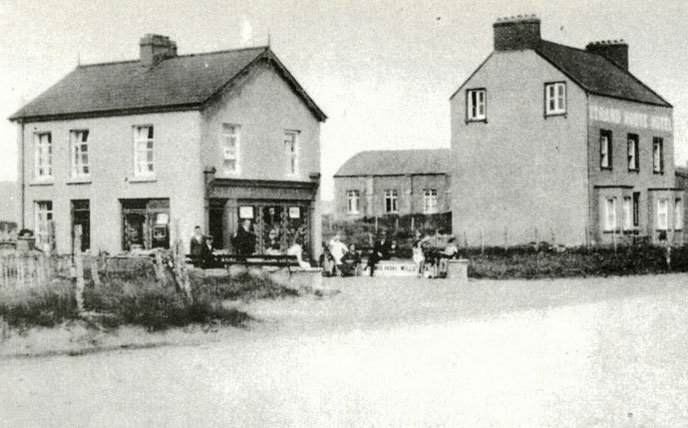
Strandhill cannon
This Historical Landmark, Strandhill cannon, is located in Strandhill, Co. Sligo. Historical landmarks serve as important focal points for understanding the past, offering insights into local heritage and significant events. They are often preserved to educate the public and commemorate the history of a place. Visitors can typically explore the site and learn about its context. Such landmarks contribute to the cultural landscape of their communities.
Hazelwood Demesne
Co. Sligo is home to Hazelwood Demesne, a historical landmark. Historical landmarks often preserve significant aspects of the past, providing visitors with a glimpse into local heritage and culture. These sites can encompass a range of features, from ancient ruins to preserved estates, each telling a unique story. Many such locations serve as important educational resources and contribute to the cultural landscape of a region. Visiting a historical landmark offers an opportunity to connect with history and appreciate the enduring legacy of past generations.
Pillars of Eden
Heapstown Cairn
Heapstown Cairn is a Historical Landmark located in Co. Sligo. Historical landmarks across Ireland provide a window into the past, offering insights into ancient settlements, significant events, and the enduring heritage of the island. Such sites often attract visitors interested in archaeology, history, and the rich tapestry of Irish culture. The preservation and understanding of these locations are vital for maintaining a connection to the nation's historical narrative.
Listoghil Cairn (Carrowmore Megalithic Cemetery)
Cooper's Lodge
Knocknarea Deserted Village
Shadow V Memorial
The Labby Rock (Nuada's Portal Tomb)
A Historical Landmark, The Labby Rock is located in Co. Sligo. Historical landmarks serve as important focal points for local heritage and tourism, often drawing visitors interested in the history and culture of an area. Such sites can provide valuable insights into past events and ways of life, contributing to a deeper understanding of a region's identity. Many historical landmarks are protected for their cultural significance, ensuring they can be appreciated by future generations.
Dots Point
The Glencar Grove
Wedge Tomb 4 (Carrowmore Megalithic Cemetery)

Cashelbaun
Cashelbaun is a historical landmark located in Co. Sligo. Historical landmarks offer visitors an insight into the past, often preserving significant aspects of local heritage and culture. These sites can range from ancient ruins and archaeological finds to buildings with notable architectural features or connections to important historical events. Exploring such places provides a tangible link to earlier times and helps to understand the development of a region. Cashelbaun contributes to the rich tapestry of historical sites available to discover in Ireland.
Bru Moytura Retreat Centre HQ of the reviving of the Irish Annals writing Tradition
This historical landmark, Bru Moytura Retreat Centre HQ of the reviving of the Irish Annals writing Tradition, is located in Castlebaldwin, Co. Sligo. Historical landmarks often serve as significant sites for understanding the past and preserving cultural heritage. Such places can offer insights into local history and traditions, drawing visitors interested in genealogy, archaeology, or simply learning more about Ireland's rich past. Centres like this can play a role in keeping historical knowledge and practices alive for future generations.
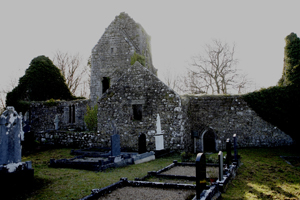
Ballindoon Dominican Priory
Ballindoon, Co. Sligo is home to the Ballindoon Dominican Priory, a significant historical landmark. This site offers visitors a glimpse into Ireland's rich past. Historical landmarks across the country serve as important cultural touchstones, preserving the memory of past events and architectural styles. Such sites are vital for understanding the heritage and development of communities throughout Ireland, providing educational opportunities and a connection to the nation's history for both locals and tourists.

Killaspugbrone
Killaspugbrone is a historical landmark located in Strandhill, Co. Sligo. Historical landmarks often provide a connection to the past, offering insights into local heritage and the stories of those who came before. Such sites can be significant for understanding the development of an area and its cultural landscape. Visitors to historical landmarks typically engage with the physical remnants of past events or structures, appreciating their significance and preservation.
Pollnadivva Pier
Gleniff Barytes Mill Site
Gleniff Barytes Mill Site is a historical landmark located in Co. Sligo. Historical landmarks serve as important cultural and educational sites, offering insights into the past. They often represent significant industrial, architectural, or natural heritage. Such sites can draw visitors interested in history, geology, and local heritage. Exploring these locations provides a connection to the stories and developments that shaped a region. Gleniff Barytes Mill Site is part of this heritage in Co. Sligo.

Knocknarea Cairn
A historical landmark, Knocknarea Cairn is situated in Strandhill, Co. Sligo. This significant site offers visitors a connection to Ireland's ancient past. Such landmarks often represent important archaeological or cultural heritage, drawing interest from those keen to explore local history and heritage. Many visitors appreciate the opportunity to learn about the stories and traditions associated with these enduring places. Knocknarea Cairn is a point of interest for those exploring the landscape and heritage of Co. Sligo.
Keshcorran Caves
Co. Sligo is home to Keshcorran Caves, a significant historical landmark. Such sites offer a window into the past, often revealing insights into ancient human activity and natural geological formations. Exploring historical landmarks provides opportunities for education and appreciation of Ireland's rich heritage. Visitors to the area can discover the unique character of Co. Sligo through its natural and historical points of interest.
Magheraghanrush Court Tomb
Magheraghanrush Court Tomb is a historical landmark located in Calry, County Sligo. This ancient monument represents an important part of Ireland's prehistoric heritage, offering visitors insight into the archaeological significance of the region. Court tombs, a distinctive type of megalithic structure, date back thousands of years and serve as tangible connections to early Irish civilisation. The site in Calry attracts those interested in history and archaeology, providing an opportunity to experience the landscape and structures that shaped the county's past. Such landmarks contribute to understanding how ancient communities lived and their cultural practices.
Carrowkeel Cairns Passage Tombs
A historical landmark in Co. Sligo, Carrowkeel Cairns Passage Tombs represents a significant archaeological site of considerable age and cultural importance. These passage tombs showcase Neolithic construction techniques and design, offering visitors insight into prehistoric Irish burial practices and settlement patterns. The site attracts those interested in ancient history, archaeology, and heritage. Located in the Sligo landscape, the tombs form part of the broader archaeological record that characterises the region and contributes to understanding Ireland's early inhabitants and their monumental achievements.
1798 memorial
Sligo is home to the 1798 Memorial, a historical landmark commemorating significant events from that period in Irish history. Historical landmarks serve as important points of reference for understanding local and national heritage, offering visitors an opportunity to connect with the past. The memorial stands as a physical reminder of the historical narratives that shaped the region and the wider country. Such sites are valued by those interested in Irish history, genealogy, and cultural heritage, and typically attract both local visitors and tourists seeking to learn more about Ireland's historical landscape.
Creevykeel Court Tomb
A historical landmark located in Co. Sligo, Creevykeel Court Tomb represents an important archaeological site of cultural significance. Court tombs are megalithic monuments dating to the Neolithic period, constructed from large stone slabs arranged to form burial chambers and forecourts. This example in Sligo offers visitors insight into prehistoric Irish burial practices and architectural techniques. The site reflects the heritage and ancient history preserved throughout the county, attracting those interested in archaeology and early Irish civilisation. Such monuments serve as tangible connections to Ireland's distant past.
Green Fort
Sligo is home to Green Fort, a historical landmark that offers visitors a glimpse into the area's past. This historical place stands as part of the broader heritage landscape of County Sligo, where such sites provide important connections to local history and culture. Those interested in exploring the region's historical significance will find value in visiting landmarks like this, which contribute to understanding the area's development and the stories of those who inhabited it.
Famine Graveyard Sligo
Famine Graveyard is a historical landmark located in Sligo, Co. Sligo, serving as a poignant reminder of Ireland's past. This site functions as both a tourist attraction and park, offering visitors a space to reflect on the significant events that shaped the region's history. Historical landmarks of this nature provide important context for understanding local heritage and the experiences of communities during challenging periods. The graveyard represents an integral part of Sligo's cultural landscape, attracting those interested in historical sites and their preservation.
Castle Classiebawn Viewpoint
A historical landmark located in Co. Sligo, Castle Classiebawn Viewpoint serves as both a scenic spot and tourist attraction for visitors to the region. The site offers views of the surrounding landscape and represents a point of interest for those exploring Sligo's heritage. Historical landmarks such as this provide insight into the area's past whilst allowing visitors to appreciate the natural beauty of their setting. Whether visiting as part of a broader tour of the county or as a dedicated stop, the viewpoint combines historical significance with scenic appeal for those interested in local culture and geography.
Famine Memorial
Famine Memorial is a historical landmark located in Sligo, Co. Sligo. The monument stands as a significant point of interest for visitors exploring the county's rich heritage. Historical landmarks such as this serve as important reminders of pivotal moments in Irish history, offering locals and tourists alike an opportunity to reflect on and learn about the past. The memorial attracts those interested in understanding Sligo's historical narrative and the broader story of Ireland. Visitors to the area will find it a meaningful destination for historical education and remembrance.
Gleniff Horseshoe
A historical landmark situated in Co. Sligo, Gleniff Horseshoe attracts visitors drawn to the area's natural landscape and outdoor pursuits. The location serves as a hiking area and tourist attraction, offering those interested in sports activities and countryside exploration a destination within the county. Visitors to the region often seek out such landmarks for their scenic value and recreational opportunities, making them notable points of interest for both locals and tourists exploring Sligo's geography and heritage.

Lisadell House and Gardens
VerifiedHistoric House and Gardens and luxury vacation rentals
Immortalised by WB Yeats, childhood home of Countess Markievicz, Lissadell is the crucible of Ireland’s historic, literary & garden heritage
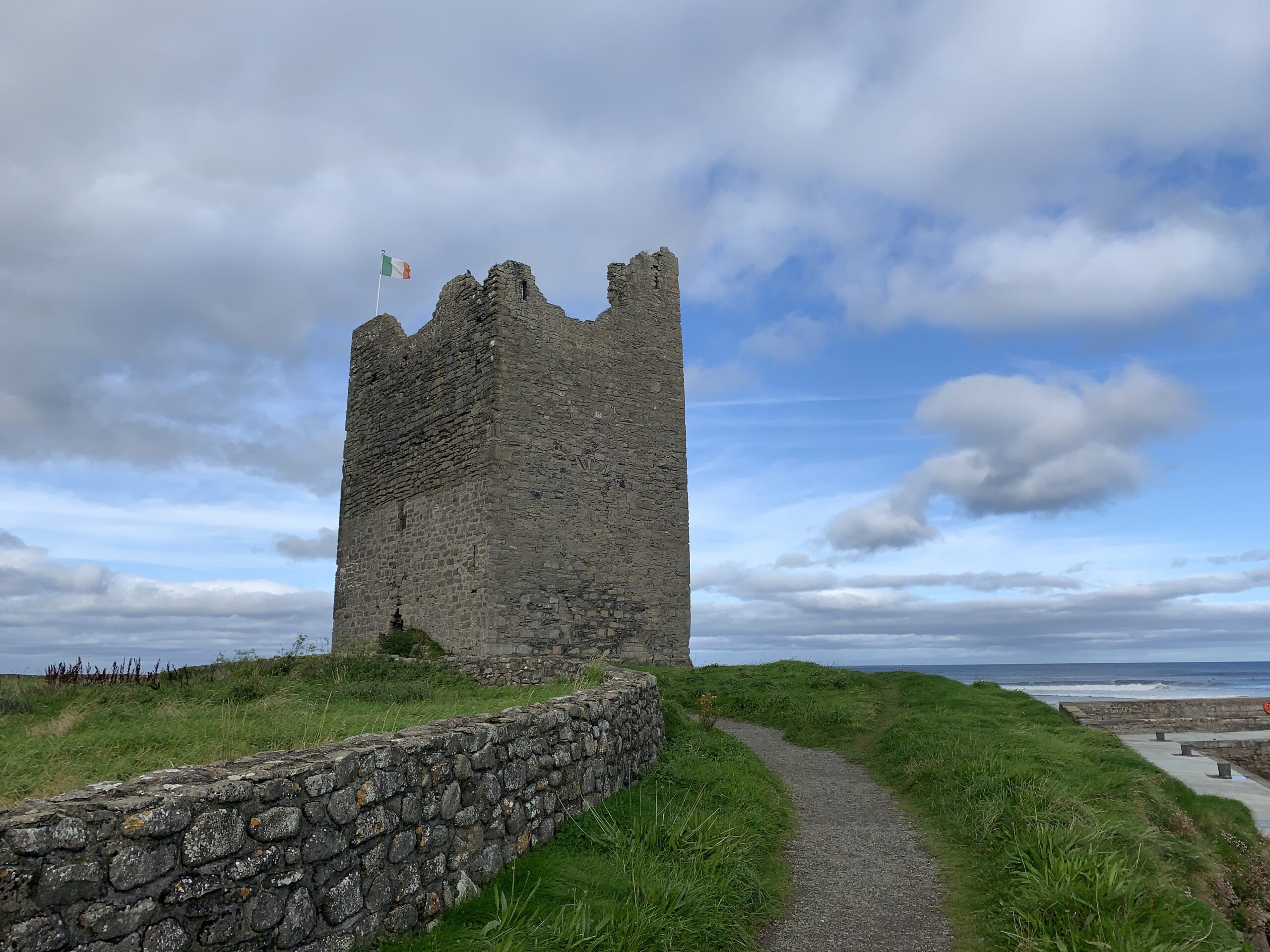
Roslee Castle
A historical landmark situated in County Sligo, Roslee Castle stands as a point of interest for visitors exploring the region's past. Historical landmarks such as this castle offer insight into Ireland's architectural heritage and the stories of those who inhabited them across centuries. County Sligo is known for its rich historical landscape, with numerous sites reflecting the county's cultural significance. Visitors to the area often seek out such landmarks to experience the tangible connections to Irish history and to appreciate the craftsmanship of earlier periods. Roslee Castle welcomes those interested in exploring local heritage.
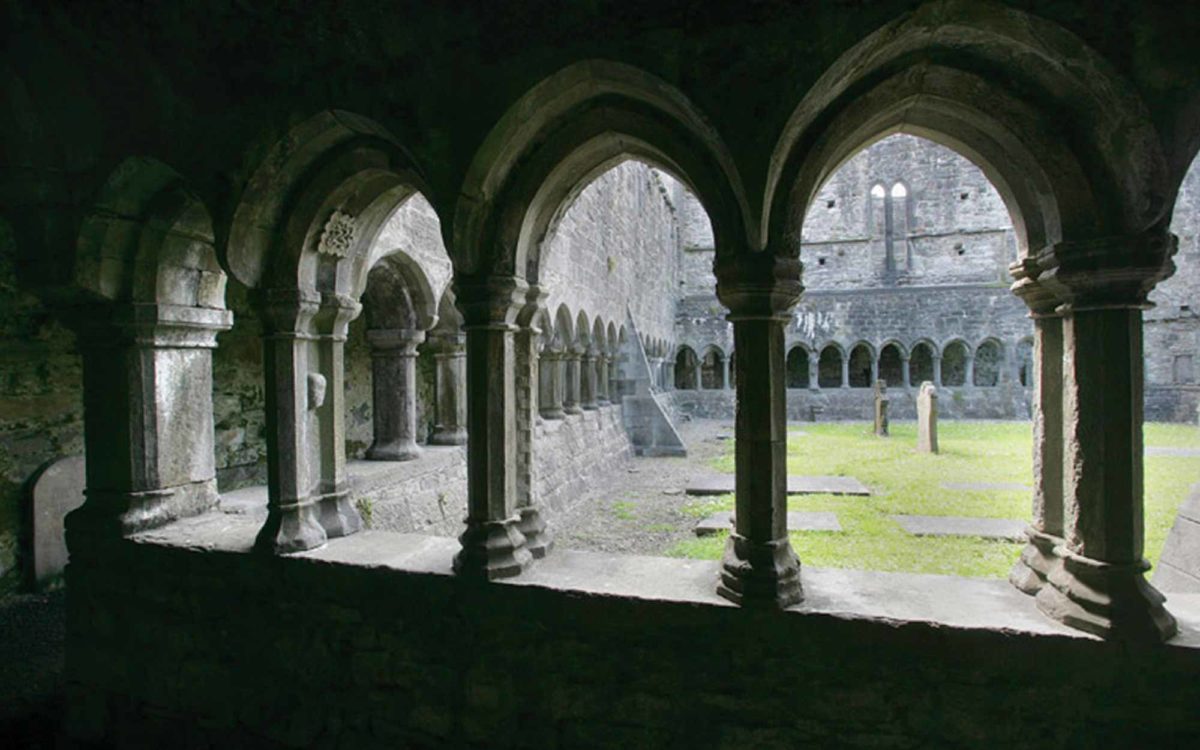
Sligo Abbey
Sligo Abbey is a historical landmark located in Sligo, Co. Sligo, offering visitors insight into the area's rich past. This historical place stands as a significant tourist attraction, drawing those interested in exploring the region's heritage and architectural heritage. The site provides an opportunity to experience the historical context of Sligo town and its surroundings. Visitors to this historical landmark can appreciate the structures and learn about the events that shaped the locality over centuries.
Related categories in Sligo
Browse by town in Sligo
Good to know
Historical Landmark in Sligo — your questions answered
How many historical landmark businesses are there in Sligo?
We list 118 historical landmark businesses across Co. Sligo. The largest concentrations are in Sligo (17), Strandhill (4), Ballindoon (4) and Saltport (3).
How do I find historical landmark near me in Sligo?
Tap “Near me” at the top of the list to sort the 118 historical landmark businesses in Co. Sligo by distance from your current location and see the closest first.
Which historical landmark businesses in Sligo are rated best?
72 of the 118 historical landmark businesses in Co. Sligo carry a customer rating, averaging 4.4 out of 5. The full ranking is at locallyirish.ie/best-of/historical-landmark/sligo, where each entry states whether the score comes from reviews left here or from Google.
How complete are the historical landmark listings for Sligo?
Of 118 historical landmark businesses in Co. Sligo, 7 publish a phone number, 43 list their opening hours and 1 have been claimed and confirmed by the owner. A claimed listing carries a Verified badge on its profile.
Can I add my business in Sligo?
Yes — a listing is free and goes live within minutes. Premium (€9/month) adds priority placement in this list.
Own a historical landmark business in Sligo?
List free and get discovered by local customers searching in Sligo.
List Your Business Free