Connacht · Ireland
Historical Landmark in Galway
65 historical landmark businesses listed in Co. Galway — contact details, opening hours and reviews, all in one place. Use “Near me” to see the closest to you.
Co. Galway has 65 historical landmark businesses listed on LocallyIrish, with the largest concentrations in Galway (22), Loughrea (2) and Athenry (2). Every profile includes contact details and, where the business provides them, opening hours, reviews and a map. Tap Near me to sort by distance and find the closest to you.
Historical Landmark by town in Co. Galway
Nothing matches that filter — clear it to see all listings.
Galway City Museum
Galway City Museum is a historical landmark located in Galway, Co. Galway, serving as a museum and tourist attraction for visitors to the area. The museum presents collections and exhibitions relating to the city's past, offering insight into local history and heritage. Visitors to Galway often explore such cultural institutions to understand the region's development and significance. The museum provides an educational resource for those interested in historical narratives and artefacts from the locality.
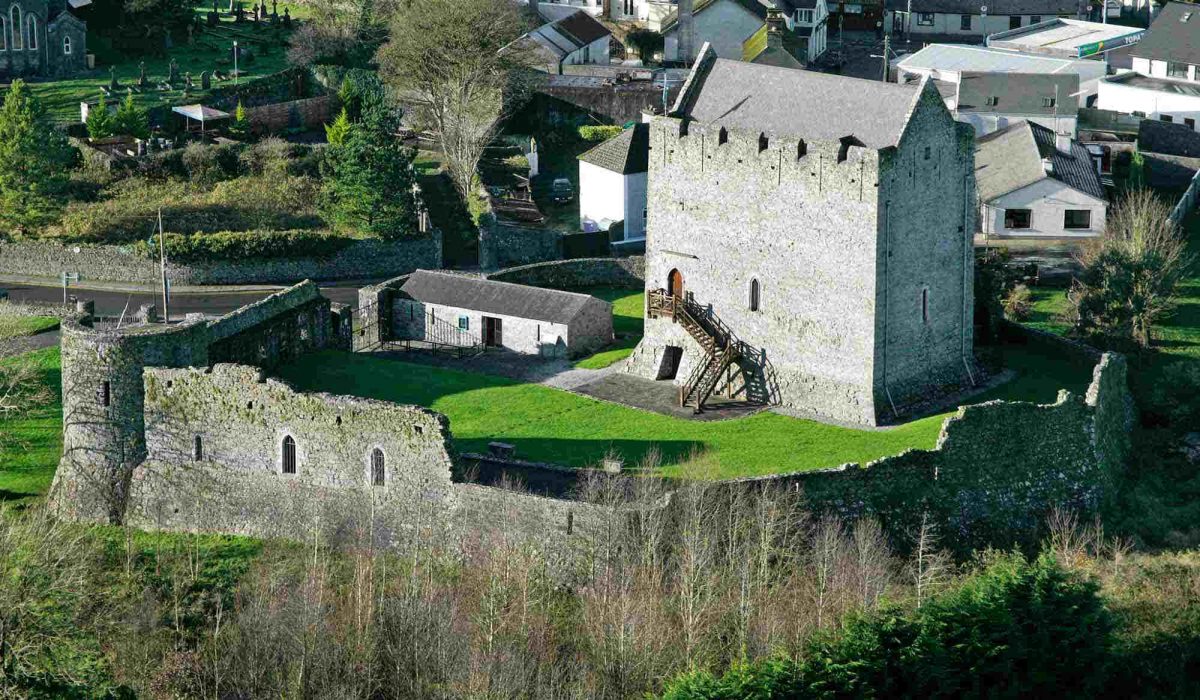
Athenry Castle
A historical landmark situated in Athenry, Co. Galway, Athenry Castle stands as a significant example of medieval Irish architecture. The castle represents an important period in the region's past, offering visitors insight into the area's historical heritage. Those interested in exploring Galway's historical sites will find this landmark of considerable interest. Historical landmarks such as this serve as tangible connections to Ireland's medieval period, providing context for understanding local and national history. The castle's presence in Athenry contributes to the town's cultural landscape and attracts those seeking to learn more about the area's heritage.
Roscam Round Tower
In Co. Galway, Roscam Round Tower is a historical landmark situated near Galway city, accessible via beach or across private land with owner permission. The tower offers views of the surrounding area. Access is somewhat unclear, with routes crossing private properties and limited signage, so visitors are advised to plan their approach carefully and respect the land and livestock on the grounds.
Castle Kelly ruin (site of)
Quiet man cottage
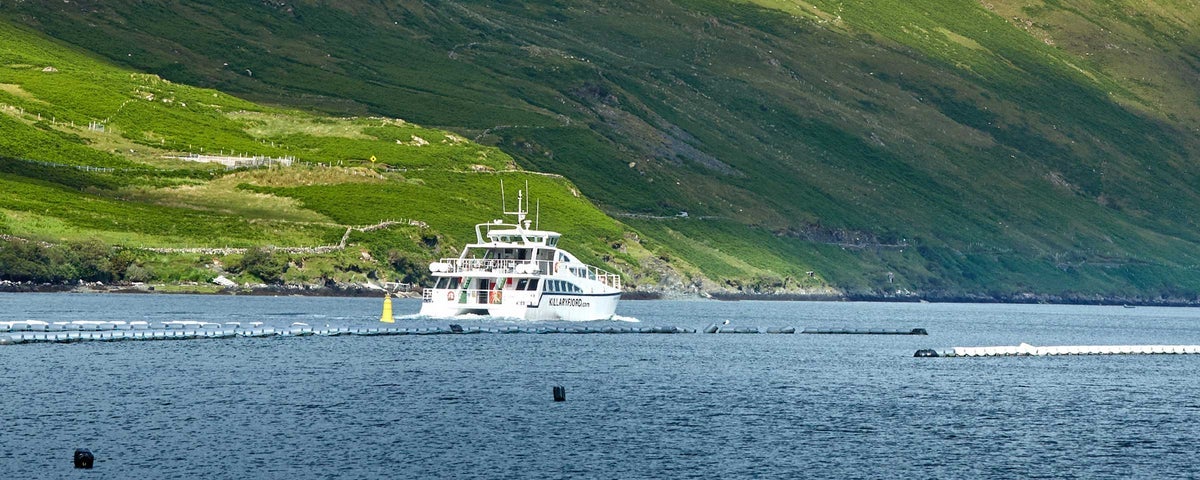
Killary Harbour
Killary Harbour is a Historical Landmark located in Co. Mayo. Ireland's only fjord, Killary Harbour is a significant natural feature. Historical landmarks often serve as important markers of local heritage and provide insights into the past. Such sites can be popular with both locals and tourists seeking to connect with the history and geography of an area. Killary Harbour's unique geological formation makes it a point of interest within Co. Mayo.
Castle Hackett
Headford Castle
Rathsonny Ringfort
Crannog Loughrea Lake
Windmill
Ardfry House Oranmore
Ballydonnellan Castle
Glenamaddy Workhouse
Trench Mausoleum
Grave of Lieutenant General Sir Denis Bernard Kirwan
Temperance hall
Kilcooly Cemetery & Church Ruins
Garbally Castle
Ice House
The Circle
Finnertys Mills
Finnertys Mills is a historical landmark situated in Leitrim, Co. Galway. Historical landmarks across Ireland often serve as important educational sites, offering insights into the nation's past and heritage. These locations can provide a tangible connection to the stories and events that have shaped the country, attracting visitors interested in local history and culture. Such sites are vital for preserving and sharing Ireland's rich historical narrative for future generations. Finnertys Mills is part of this tradition, contributing to the understanding of local heritage.
Moanmore East Stone Circle
Kilbannon Round Tower
Co. Galway is home to the Kilbannon Round Tower, a historical landmark. Many round towers across Ireland were built between the 9th and 13th centuries, often near monastic settlements. These structures served various purposes, including bell towers, places of refuge, and as symbols of ecclesiastical power. They are a distinctive feature of the Irish landscape, representing significant architectural and historical achievements of early medieval Ireland. Visitors can explore these sites to connect with the island's ancient past.
Woodlawn House
Woodlawn House is a Historical Landmark located in Woodlawn, Co. Galway. Historical landmarks often serve as important cultural sites, preserving local heritage and offering insights into the past. Such places can be focal points for community identity and provide educational opportunities for visitors. They are typically significant for their architectural style, historical events that took place there, or notable individuals associated with them. Exploring these sites allows for a deeper appreciation of the region's history and development.
Dunmore Castle
Kilbannon Church Ruins
Kilbannon Church Ruins is a historical landmark located in Co. Galway. Historical landmarks offer a fascinating glimpse into the past, often serving as focal points for local heritage and tourism. Such sites can provide valuable insights into the architecture, social history, and cultural evolution of an area. Visitors to places like Kilbannon Church Ruins can connect with local history and appreciate the enduring legacy of previous generations. These locations are important for understanding the historical landscape of Ireland.
Ballyforan Bridge
Clontuskert Augustinian Friary
Co. Galway is home to Clontuskert Augustinian Friary, a significant historical landmark. Such sites offer a glimpse into Ireland's past, often featuring architectural remnants and stories of historical importance. Visitors to historical landmarks can explore the grounds and learn about the heritage of the region. This particular landmark is situated within the scenic county of Galway, providing an opportunity to appreciate both history and the local landscape.
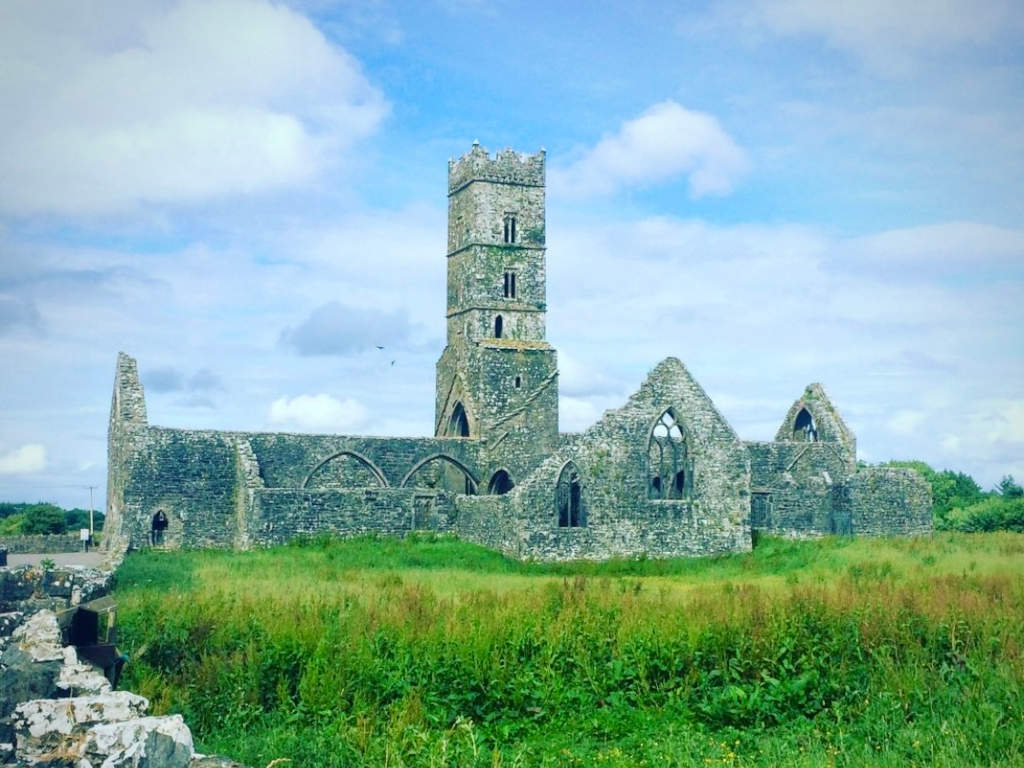
Kilconnell Franciscan Friary
Kilconnell Franciscan Friary is a historical landmark located in Co. Galway. Historical landmarks across Ireland serve as important sites for understanding the nation's past. These locations often feature significant architectural elements and are central to local heritage. Visitors to such sites can gain insight into the historical events and cultural developments that have shaped the country. Kilconnell Franciscan Friary contributes to the rich tapestry of Irish heritage sites, offering a glimpse into the past for those who visit. These landmarks are vital for education and tourism.
Cliff View Point
Isert Kelly Castle
Kilchreest, Co. Galway is home to Isert Kelly Castle, a historical landmark. Historical landmarks across Ireland offer visitors a glimpse into the country's rich past, often featuring architecture and stories from bygone eras. Such sites can be important centres for local heritage and tourism, drawing people interested in history, genealogy, and the stories of Ireland. These locations often serve as educational resources and provide a tangible connection to the heritage of the island.
Ffrench Mausoleum and Monivea Woods
Palmers Beach
Autograph Tree
Castle Ellen House
Townland, Co. Galway is home to Castle Ellen House, a historical landmark. Exploring historical landmarks offers a glimpse into the past and the stories of those who came before. Such sites are important for understanding local heritage and the development of communities across Ireland. Castle Ellen House contributes to the rich tapestry of historical sites found throughout County Galway, each with its own unique narrative and significance for visitors and locals alike.
Annaghdown Abbey

Athenry Dominican Priory
Athenry Dominican Priory is a historical landmark located in Athenry, Co. Galway. As a significant site of historical interest, it represents a connection to Ireland's past. Historical landmarks often serve as important centres for learning about local heritage and the broader narrative of Irish history. Visitors to such sites can explore architectural features and gain an understanding of the lives and events that shaped the area. The Dominican Priory in Athenry stands as a tangible link to medieval Ireland and its religious foundations.
Martin Tea-House Folly
Castlegar Castle

Claregalway Friary
Claregalway Friary is a historical landmark located in Claregalway, Co. Galway. Historical landmarks often provide a tangible connection to the past, offering insights into local heritage and architecture. They serve as important sites for understanding the development of a region and can be of significant cultural interest. Many such places attract visitors interested in history, archaeology, and the stories held within ancient structures.
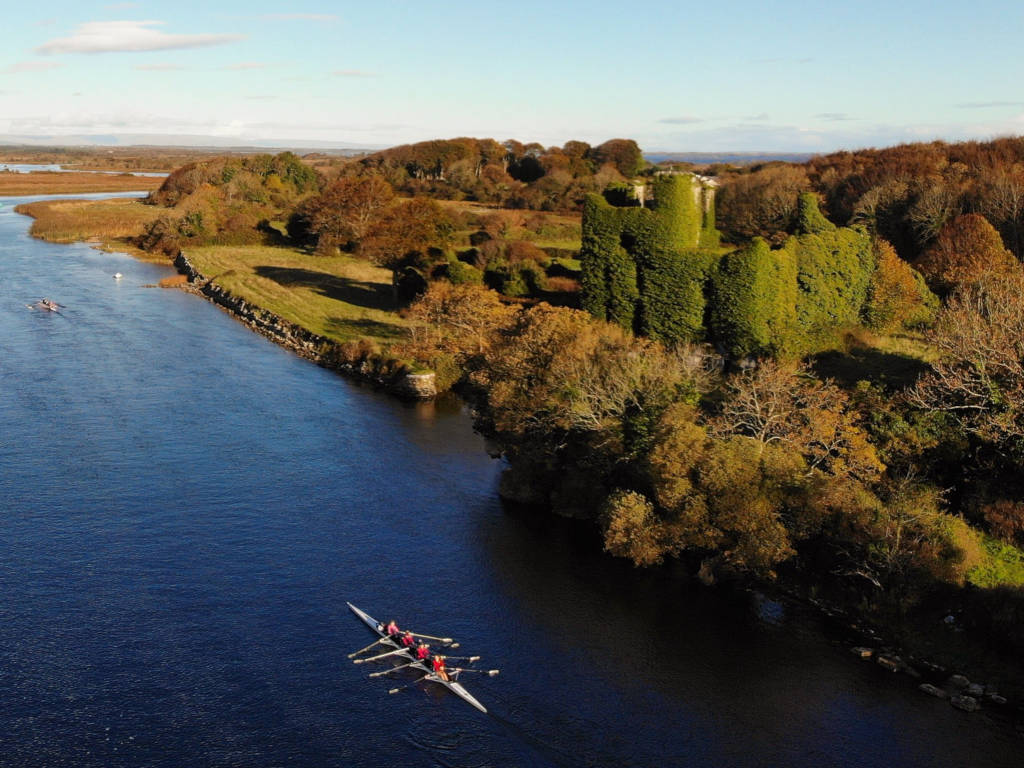
Menlo Castle
Menlo Castle is a historical landmark located in Galway, Co. Galway. Historical landmarks provide a tangible connection to the past, allowing visitors to explore the architecture and stories of bygone eras. Such sites often serve as important educational resources and tourist attractions, drawing people interested in history and heritage. Exploring historical landmarks can offer insights into local culture and the development of a region. Galway, Co. Galway is a county known for its rich historical sites and vibrant cultural landscape.
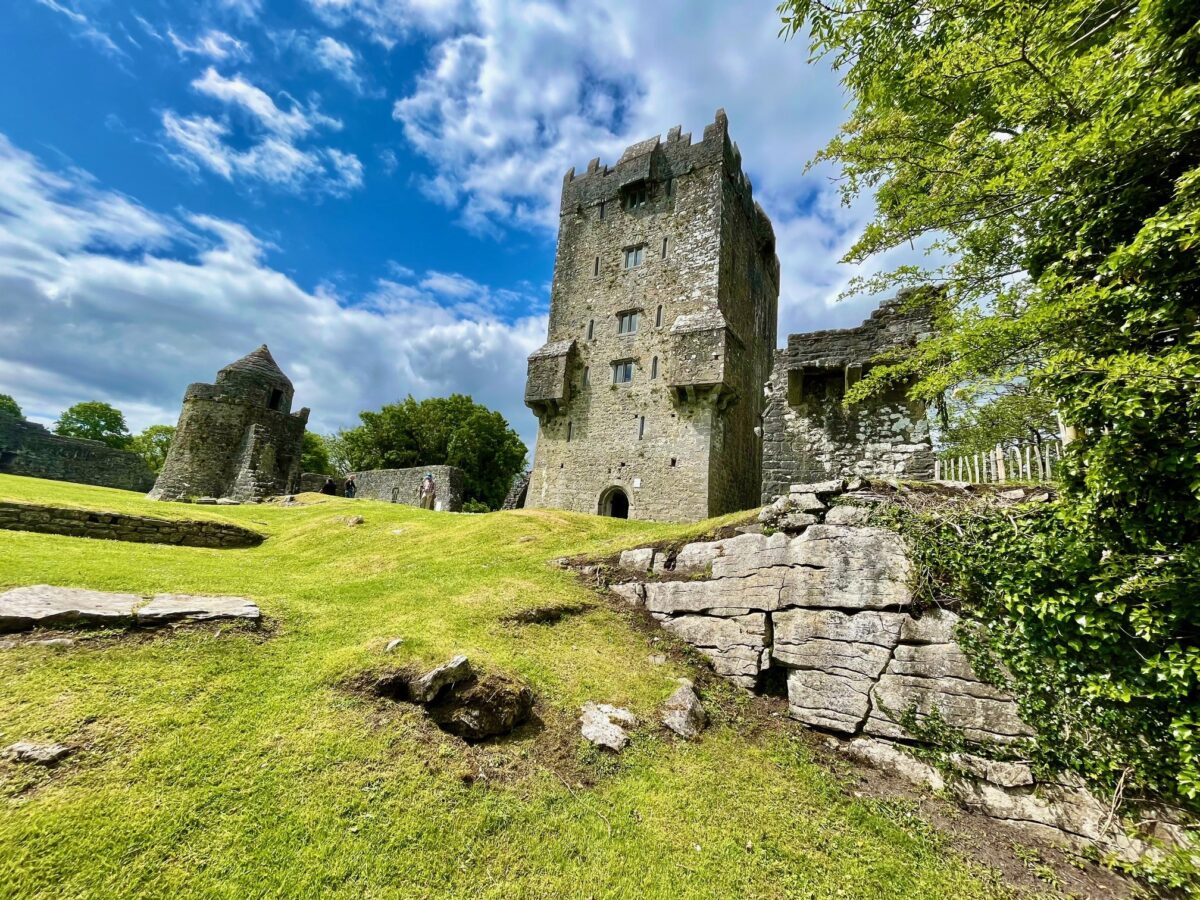
Aughnanure Castle
Oughterard, Co. Galway is home to Aughnanure Castle, a historical landmark. Castles in Ireland often represent significant periods of the nation's past, with many dating back centuries. These sites can offer insights into medieval architecture and the lives of those who inhabited them. Historical landmarks serve as important educational resources, allowing visitors to connect with local heritage and gain a deeper understanding of the area's development. Exploring such sites provides a glimpse into the rich tapestry of Irish history and culture, making them valuable points of interest for both locals and tourists alike.
St. Sourney’s Well
This Historical Landmark in Drumacoo, Co. Clare is a site of local interest. Many historical landmarks across Ireland offer visitors a connection to the past, often serving as focal points for local heritage and storytelling. St. Sourney's Well is one such place. These sites can be important for understanding local history and culture, providing a tangible link to previous generations.
Paddy Reid Island
Tyrone House
Thoor Ballylee Yeats Tower
Gort, Co. Clare is home to Thoor Ballylee Yeats Tower, a historical landmark. Such sites often serve as focal points for local heritage and tourism, drawing visitors interested in Irish history and culture. They typically offer insights into the past, providing a tangible connection to historical periods and significant figures. Exploring a historical landmark can be an educational and enriching experience for people of all ages, contributing to the understanding and appreciation of Ireland's rich cultural tapestry.
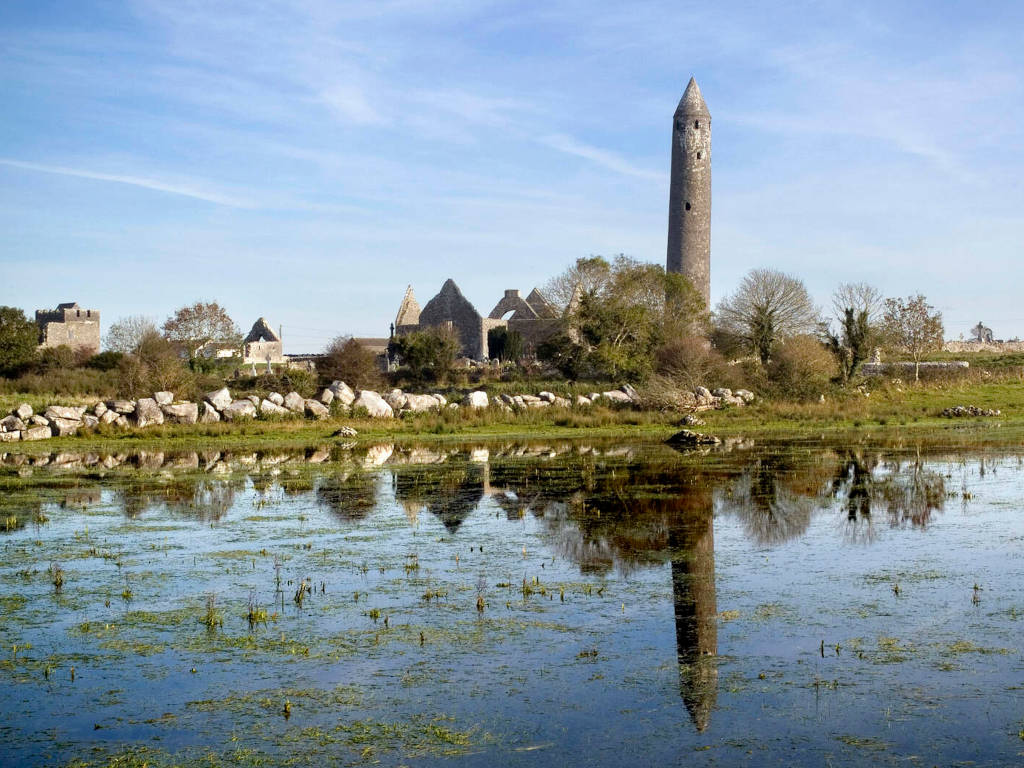
Kilmacduagh Abbey Church
Co. Clare is home to Kilmacduagh Abbey Church, a significant historical landmark. Such sites often hold great importance for local heritage and tourism, offering visitors a glimpse into the past. Historical landmarks provide educational opportunities and contribute to the cultural landscape of an area. Kilmacduagh Abbey Church stands as part of this rich tapestry, representing a point of interest for those exploring Co. Clare and its historical offerings.
The Long Walk
A historical landmark in Galway, Co. Galway, The Long Walk is a significant feature of the city's streetscape. This pedestrian thoroughfare has formed part of Galway's urban fabric for centuries, connecting key areas of the locality and reflecting the town's development over time. Visitors to Galway often explore the area to appreciate its historical context and character. The Long Walk remains an important part of the city's heritage and continues to be a notable point of interest for those interested in local history and architecture.

Nora Barnacle's House
Nora Barnacle's House is a historical landmark located in Galway, Co. Galway, preserving the birthplace and early home of Nora Barnacle, companion and later wife of author James Joyce. The modest terraced dwelling offers visitors insight into early twentieth-century domestic life in Galway and the personal history of this significant literary figure. The house functions as a tourist attraction, drawing those interested in Joyce's life, Irish literary heritage, and local history. Galway's rich cultural landscape provides an ideal setting for this commemorative site.
Royal Coat Of Arms
A historical landmark located in Galway, Co. Galway, the Royal Coat Of Arms represents an important part of the locality's heritage. Historical landmarks such as this serve as tangible connections to Ireland's past, offering visitors insight into significant events and periods that have shaped communities. Those interested in exploring Galway's history will find value in visiting such sites, which contribute to the cultural fabric and character of the county.
Quincentennial Fountain
Galway is home to Quincentennial Fountain, a historical landmark that draws visitors interested in the area's past. Historical landmarks serve as tangible connections to a locality's heritage, offering insight into significant events and periods that shaped communities. Tourist attractions of this nature provide opportunities for residents and visitors alike to engage with local history and appreciate the architectural or commemorative features that mark important moments. In Galway, such landmarks contribute to the cultural landscape and are valued destinations for those exploring the county's historical significance.
Eglinton Canal Sea Lock
Eglinton Canal Sea Lock is a historical landmark located in Co. Galway. This structure represents an important part of Ireland's canal heritage and engineering history. The sea lock served as a crucial component of waterway infrastructure, facilitating navigation and water management in the region. Visitors interested in industrial archaeology and local history will find the landmark a point of interest. Co. Galway contains numerous sites of historical significance, and this landmark contributes to the broader narrative of the county's development and transport networks throughout the centuries.
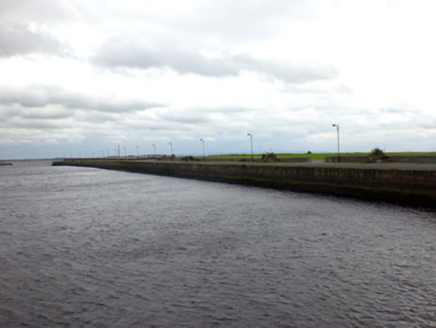
Nimmo's Pier
A historical landmark located in Galway, Co. Galway, Nimmo's Pier stands as a significant structure reflecting the area's maritime heritage. This historic pier represents an important part of Galway's waterfront character and development over time. Visitors to the locality often explore such landmarks to understand the region's past and its connection to the sea. The pier remains accessible to those interested in local history and the evolution of Galway's harbour.
Mermaids Pier
Co. Galway is home to Mermaids Pier, a historical landmark reflecting the region's maritime heritage. Historical landmarks such as this serve as tangible connections to local history, offering visitors insight into the cultural and economic significance of Ireland's coastal communities. Galway's waterfront has long played a central role in the county's development, with structures like piers representing important chapters in that story. Those interested in exploring the area's past and understanding its relationship with the sea will find such sites valuable destinations.
Terryland Castle
Terryland Castle is a historical landmark located in Galway, Co. Galway. This historical place offers visitors a glimpse into the region's past and stands as a point of interest for those exploring Galway's heritage. As a tourist attraction, it draws those interested in the area's history and architecture. Historical landmarks such as this serve as important cultural resources, preserving stories and structures from earlier periods. Visitors to Galway often seek out such sites to better understand the locality's development and significance throughout history.
Merlin Castle
A historical landmark situated in Galway, Co. Galway, Merlin Castle stands as a point of interest for visitors exploring the region's past. Historical landmarks such as this offer insight into Ireland's architectural heritage and the stories embedded within their structures. The castle attracts those interested in local history and cultural tourism. Galway's landscape is rich with such sites, each contributing to the county's distinctive character and appeal to those seeking to connect with Ireland's historical narrative.
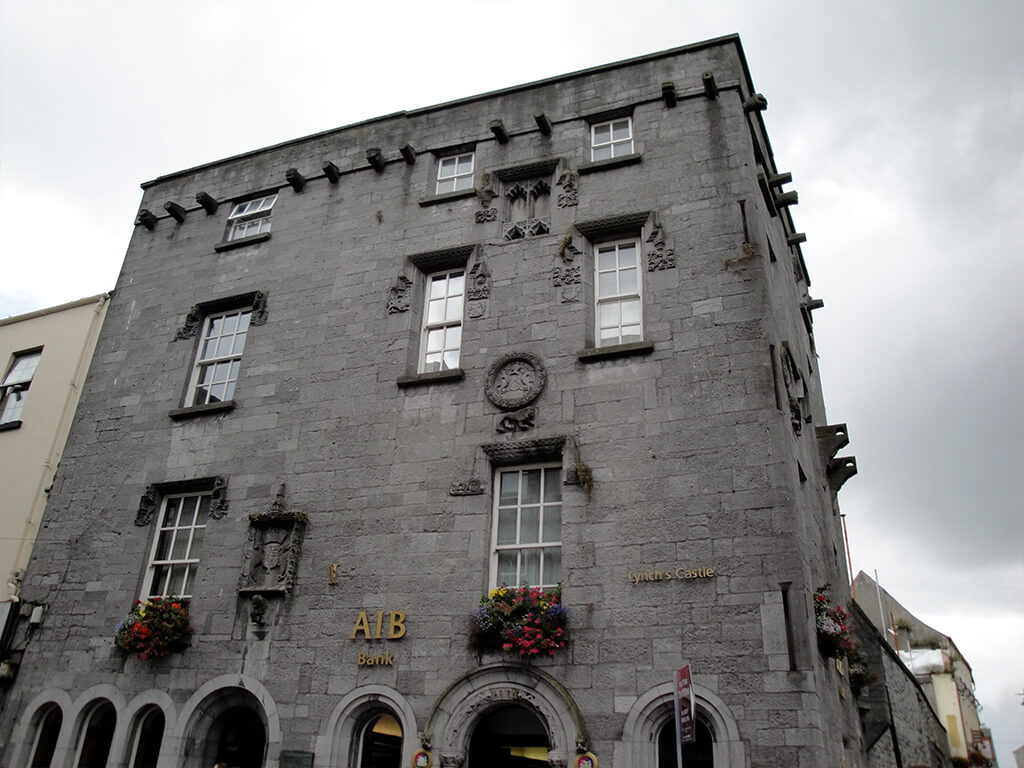
Lynch's Castle
Galway, Co. Galway is home to Lynch's Castle, a historical landmark that stands as a notable example of medieval architecture in the county. This castle represents an important part of Galway's heritage and attracts visitors interested in the area's rich past. Historical landmarks such as this provide insight into the region's development over centuries and offer a tangible connection to the people and events that shaped local history. Those exploring Galway often find such sites valuable for understanding the cultural and historical context of the locality.
The Browne Doorway
Galway is home to The Browne Doorway, a historical landmark of architectural significance. This tourist attraction represents an important element of the city's built heritage, drawing visitors interested in exploring Galway's past. Historical places such as this doorway offer insight into the region's development and the craftsmanship of earlier periods. The landmark stands as a tangible connection to the city's history, providing context for understanding how Galway evolved over centuries and shaped its distinctive character today.
Friar’s river canal
Friar's river canal is a historical landmark located in Galway, Co. Galway. This waterway represents an important part of the area's heritage and architectural history. Historical landmarks such as this canal offer visitors insight into the development and character of their locality. The canal stands as a physical reminder of Galway's past and continues to be of interest to those exploring the county's historical sites and features. Visitors to the area may appreciate the opportunity to learn about local history through such structures.
Galway City Walls
A historical landmark in Galway, Co. Galway, Galway City Walls stands as a significant remnant of medieval Irish architecture. These defensive structures date back centuries and encircle portions of the city centre, offering visitors insight into Galway's fortified past. The walls represent an important period in the town's development and remain a focal point for those interested in local history. Walking along or near these structures provides context for understanding how the city evolved and was protected throughout its earlier centuries. The landmark attracts history enthusiasts and tourists seeking to connect with Galway's heritage.
The Latin Quarter
Galway, Co. Galway is home to The Latin Quarter, a historical landmark that draws visitors interested in the area's past. This tourist attraction reflects the character of Galway's older streets and buildings, offering insight into the city's heritage. Historical landmarks such as this one typically feature architecture and layouts that have evolved over centuries, providing context for understanding local history and culture. Visitors to Galway often explore such sites to connect with the region's historical narrative and experience its distinctive character firsthand.
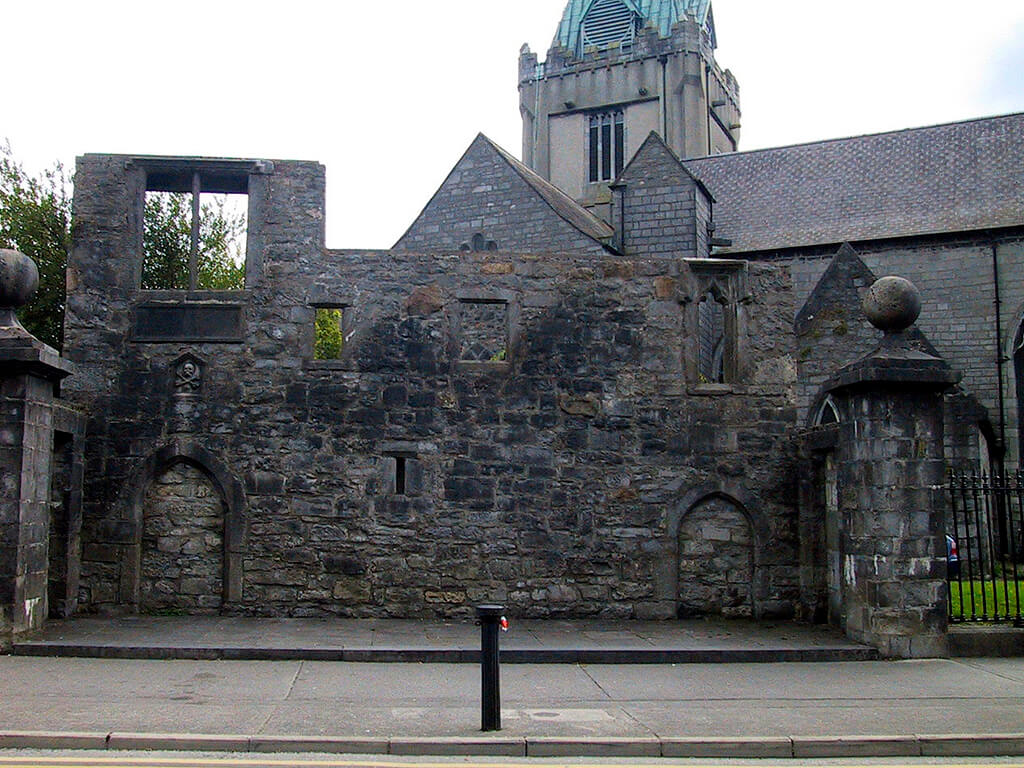
Lynch Memorial Window
Lynch Memorial Window is a historical landmark located in Galway, Co. Galway. This significant historical place reflects the rich heritage of the locality and stands as a notable point of interest for visitors exploring Galway's past. Historical landmarks such as this offer insight into the cultural and historical narrative of their regions, serving as tangible connections to bygone eras. The window represents an important part of Galway's historical fabric and contributes to the town's character as a destination with considerable historical depth and cultural significance.
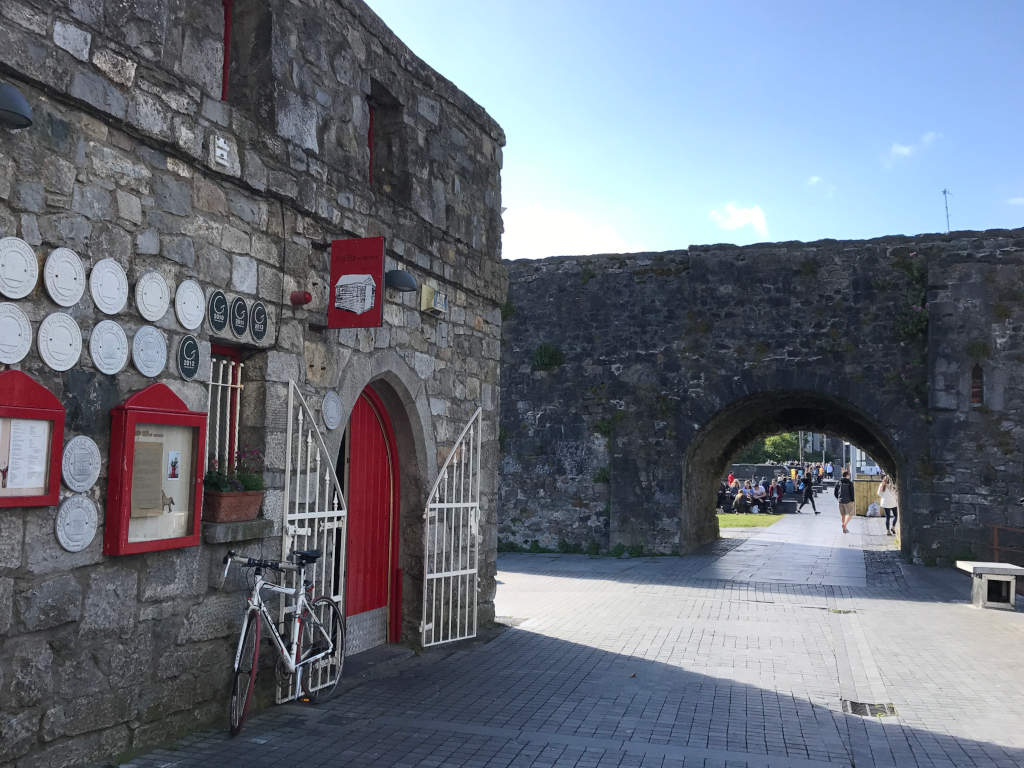
Spanish Arch
A historical landmark located in Galway, Co. Galway, Spanish Arch stands as a notable tourist attraction and historical place. This structure represents an important part of Galway's heritage and draws visitors interested in the town's past. Historical landmarks such as this offer insight into local history and architecture, providing context for understanding how communities developed over time. Visitors to Galway often include such sites in their itineraries when exploring the county's cultural and historical offerings.
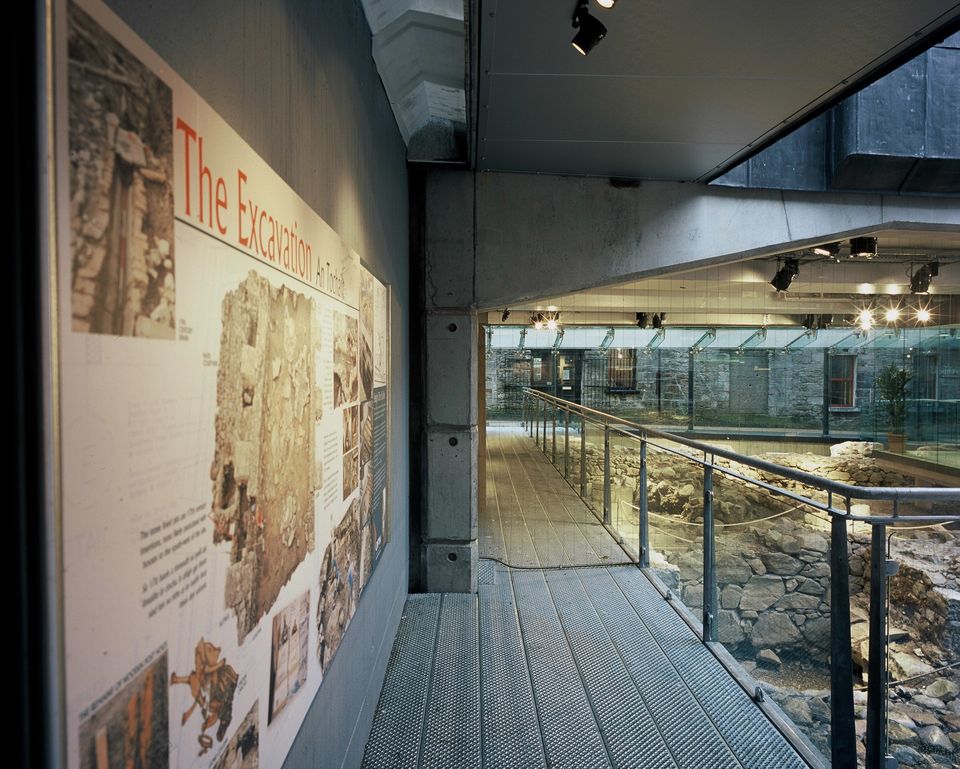
Hall of the Red Earl
Galway is home to Hall of the Red Earl, a historical landmark that draws visitors interested in the area's medieval past. This historical place offers insight into Galway's heritage and the role of the de Burgo family in shaping the city's development. As a tourist attraction, it provides an opportunity to explore the archaeological remains and learn about the Norman influence on the west of Ireland. The site represents an important chapter in Galway's story, reflecting the city's significance during the medieval period.
Related categories in Galway
Browse by town in Galway
Good to know
Historical Landmark in Galway — your questions answered
How many historical landmark businesses are there in Galway?
We list 65 historical landmark businesses across Co. Galway. The largest concentrations are in Galway (22), Loughrea (2) and Athenry (2).
How do I find historical landmark near me in Galway?
Tap “Near me” at the top of the list to sort the 65 historical landmark businesses in Co. Galway by distance from your current location and see the closest first.
Which historical landmark businesses in Galway are rated best?
48 of the 65 historical landmark businesses in Co. Galway carry a customer rating, averaging 4.5 out of 5. The full ranking is at locallyirish.ie/best-of/historical-landmark/galway, where each entry states whether the score comes from reviews left here or from Google.
How complete are the historical landmark listings for Galway?
Of 65 historical landmark businesses in Co. Galway, 11 publish a phone number and 32 list their opening hours. A claimed listing carries a Verified badge on its profile.
Can I add my business in Galway?
Yes — a listing is free and goes live within minutes. Premium (€9/month) adds priority placement in this list.
Own a historical landmark business in Galway?
List free and get discovered by local customers searching in Galway.
List Your Business Free