Munster · Ireland
Historical Landmark in Limerick
59 historical landmark businesses listed in Co. Limerick — contact details, opening hours and reviews, all in one place. Use “Near me” to see the closest to you.
Co. Limerick has 59 historical landmark businesses listed on LocallyIrish, with the largest concentrations in Limerick (28), Kilmallock (2), Kilfinane (2) and Lough Gur (2). Every profile includes contact details and, where the business provides them, opening hours, reviews and a map. Tap Near me to sort by distance and find the closest to you.
Historical Landmark by town in Co. Limerick
Nothing matches that filter — clear it to see all listings.

Grange Stone Circle
Lough Gur in County Limerick is home to Grange Stone Circle, a historical landmark of archaeological significance. This ancient site represents an important part of Ireland's prehistoric heritage and draws visitors interested in early settlement patterns and ritual practices. Stone circles are among the most distinctive monuments from Ireland's Bronze Age, offering insight into the beliefs and social structures of ancient communities. The Lough Gur area itself contains numerous archaeological features, making it a notable destination for those exploring Ireland's distant past and understanding the landscape's historical layers.
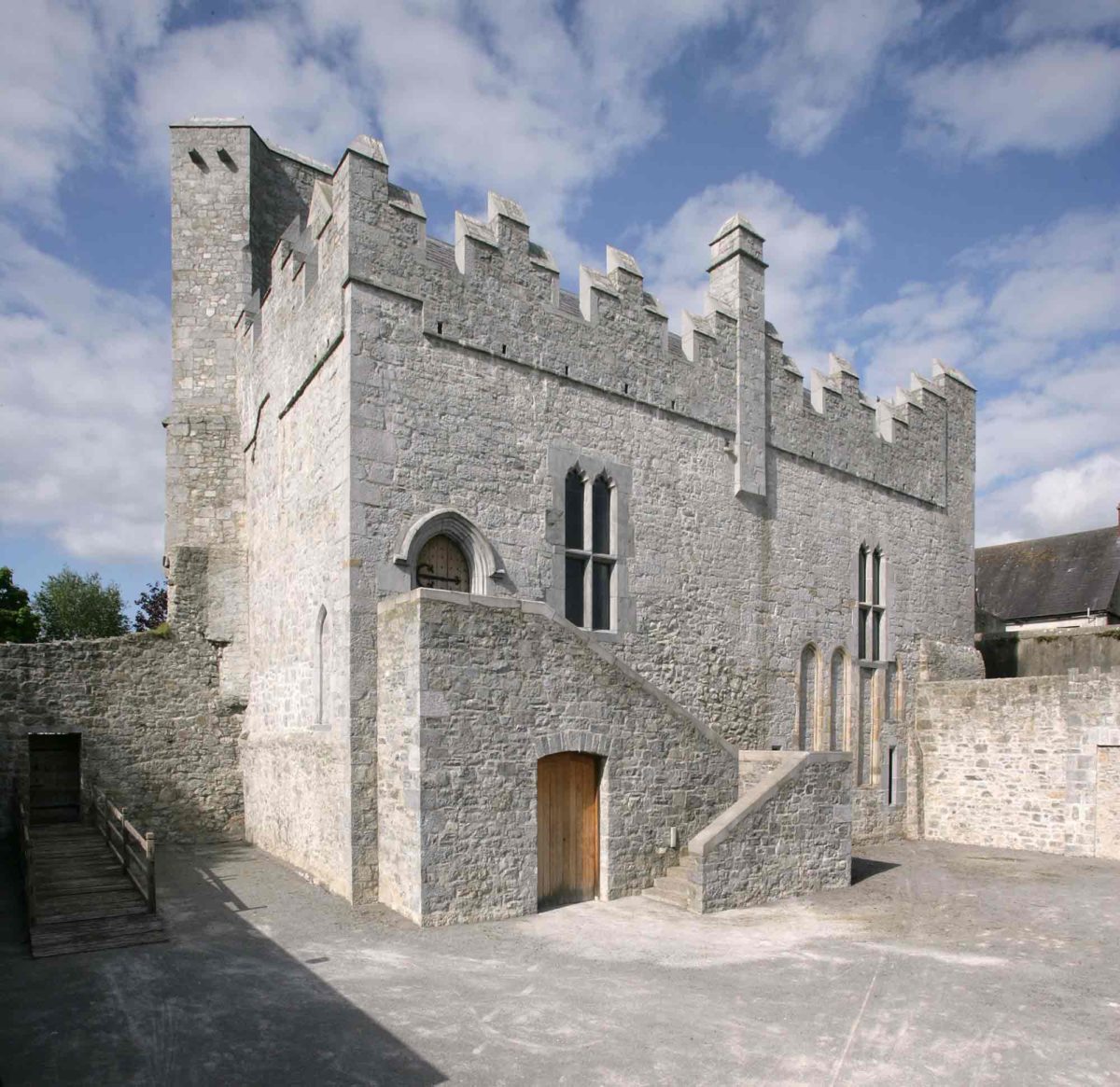
Castle Desmond
Castle Desmond is a historical landmark located in Newcastle West, Co. Limerick, and serves as a tourist attraction in the area. The castle represents an important part of the region's heritage and architectural history. Visitors to Newcastle West interested in exploring local history and medieval structures will find this landmark of interest. Historical sites such as this offer insights into the area's past and the development of the locality over centuries. The castle stands as a physical reminder of the cultural significance of Co. Limerick.
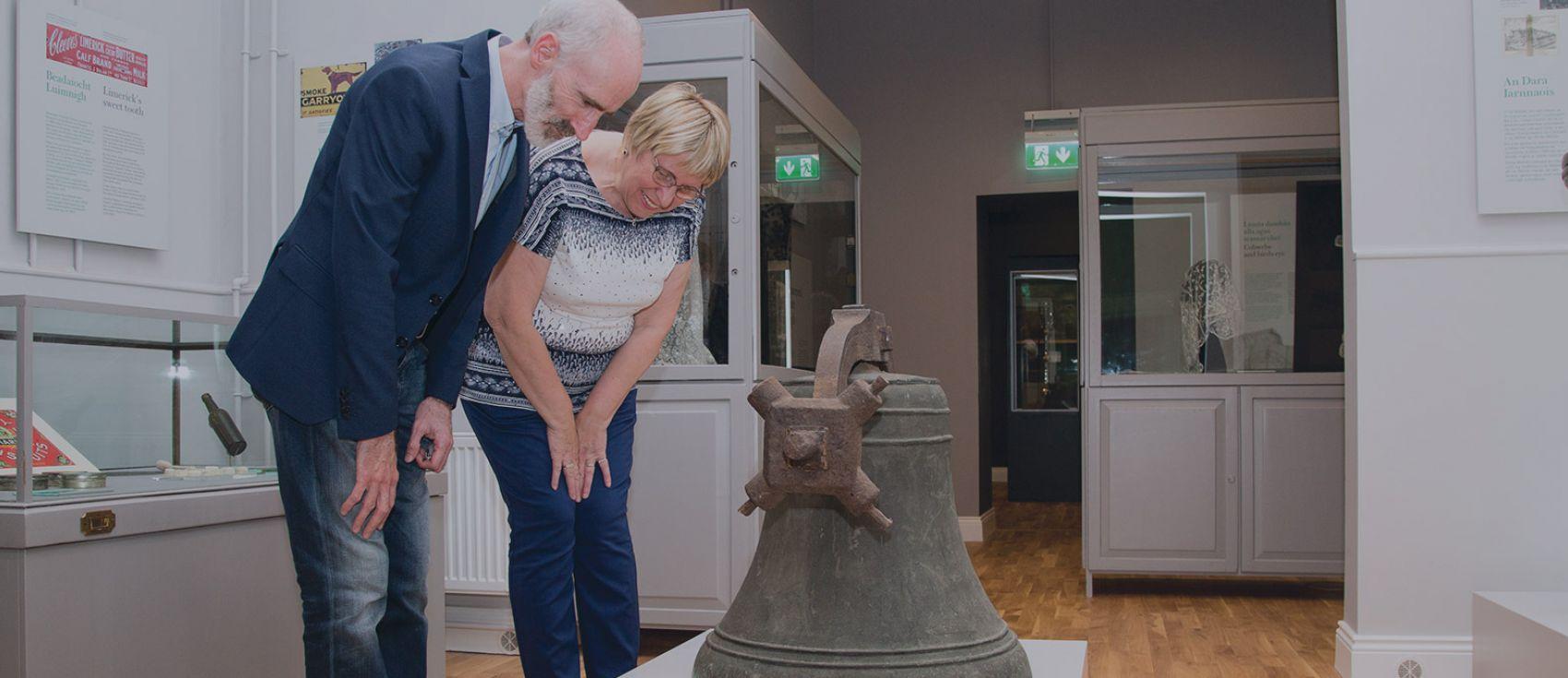
Limerick Museum
Limerick Museum is a historical landmark and museum located in Limerick, Co. Limerick, serving as a tourist attraction for visitors to the region. The museum preserves and presents the history and heritage of Limerick and its surrounding areas. Visitors can explore exhibits that showcase artefacts, stories, and cultural significance spanning different periods. Museums of this type typically offer guided tours, educational programmes, and collections that provide insight into local history, archaeology, and community heritage. The venue welcomes tourists and locals alike seeking to understand Limerick's past and cultural identity.
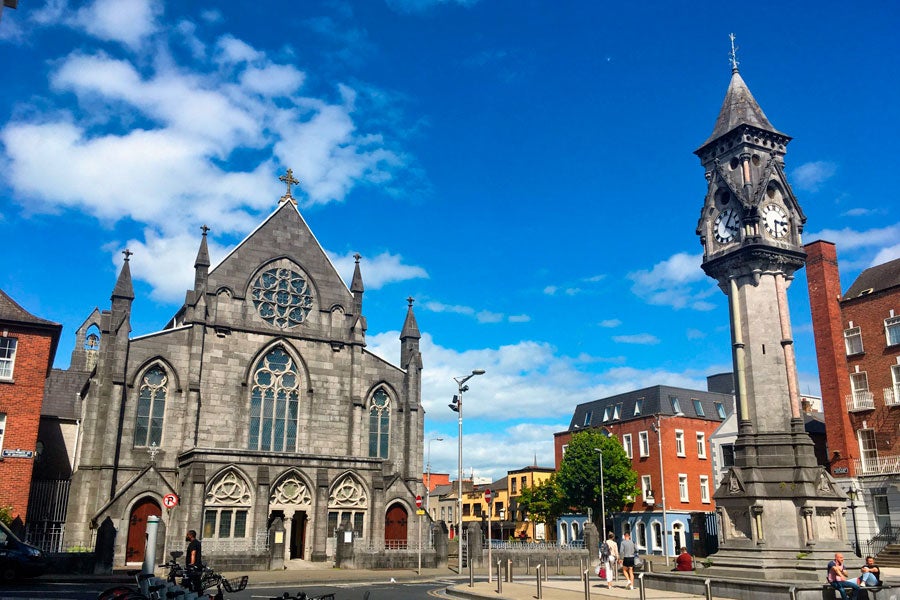
Tait’s Clock
Limerick is home to Tait's Clock, a historical landmark that stands as a notable point of interest for visitors to the county. Historical landmarks such as this serve as tangible connections to the past, offering insight into the architectural and cultural heritage of their localities. Tourist attractions of this nature provide opportunities for those interested in history and heritage to explore and appreciate the distinctive character of Limerick's streetscape and its significance within the broader narrative of the region's development.
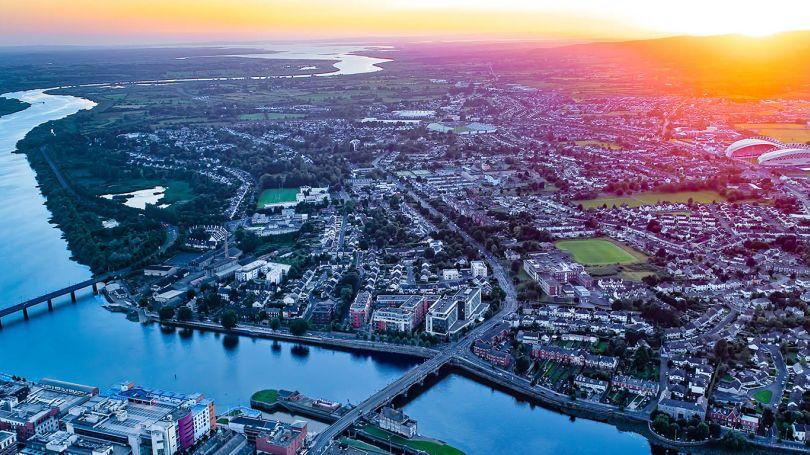
Limerick's 1916 Commemorative Garden
Limerick, Co. Limerick is home to Limerick's 1916 Commemorative Garden, a historical landmark. Historical landmarks provide valuable insights into past events and societal developments, offering a tangible connection to history for visitors and the local community alike. Such sites often serve as important educational resources, allowing people to learn about significant moments and figures from Ireland's past. This particular landmark is situated within Limerick, contributing to the rich tapestry of historical sites found throughout County Limerick.
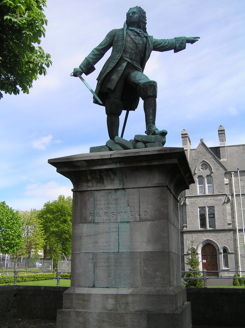
Partick Sarsfield Memorial, Cathedral Place Limerick.
Limerick is home to Partick Sarsfield Memorial, a historical landmark located at Cathedral Place. This monument stands as a point of interest for those exploring the city's rich past. Historical landmarks such as this serve as tangible connections to significant figures and events that have shaped Irish history. Visitors to Limerick often seek out such sites to deepen their understanding of the locality's heritage and cultural significance. The memorial represents the type of historical place that contributes to the character and identity of the city.
Old Kennedy Farm Cottage
Oola Castle
Fox's Den Knockcarron
Dysert Aenghusa Round Tower
Cully's Gully
St. Brigid's Holy Well
Parteen Railway Bridge
Limerick, Co. Limerick is home to Parteen Railway Bridge, a historical landmark. Such landmarks often serve as important reminders of the past, connecting communities and preserving local heritage. They can be points of interest for those exploring the area's history and architectural development. Many historical landmarks provide valuable insights into the engineering and infrastructure of bygone eras, contributing to the cultural landscape of a region.
Kilmallock Collegiate Church
Richard Harris Statue
The Widows Alms Houses
Lough Gur
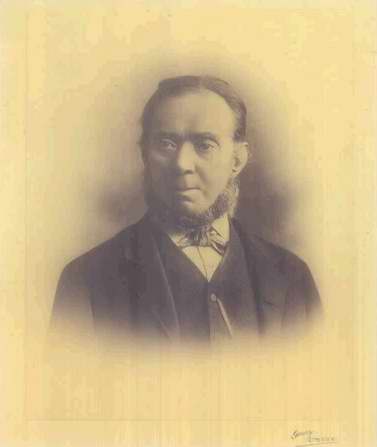
Michael Hogan, the Bard of Thomond
Michael Hogan, the Bard of Thomond is a Historical Landmark located in Limerick, Co. Limerick. Historical landmarks serve as important touchstones for understanding the past, often preserving stories and physical evidence of significant events or individuals. Such sites contribute to the cultural heritage of a region, offering insights into local history and identity. Visitors and locals alike can engage with the narrative of a place through its preserved historical landmarks, fostering a connection to its origins and evolution. This landmark stands as part of the rich tapestry of Limerick's heritage.
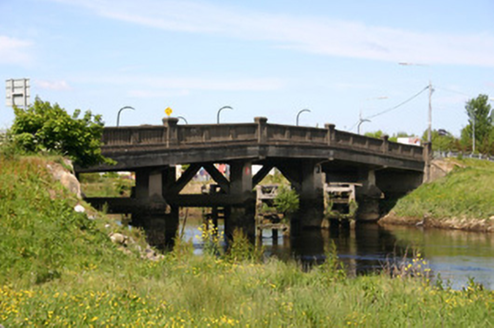
O’Dwyer’s Bridge
Limerick, Co. Limerick is home to O'Dwyer's Bridge, a historical landmark. Historical landmarks across Ireland often serve as significant points of interest, offering insights into the past and the evolution of communities. They can be important for local heritage and tourism, providing educational value and a connection to the area's story. Such sites contribute to the cultural landscape and are often appreciated by both residents and visitors exploring the region.
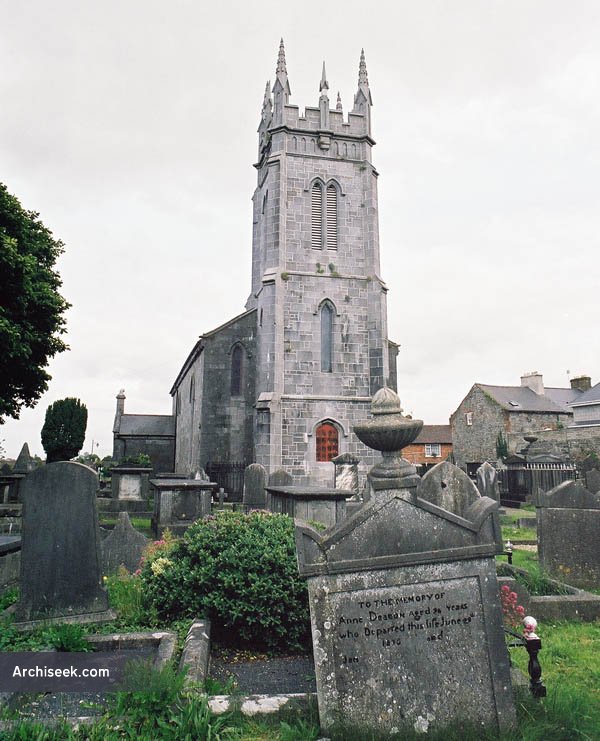
St Munchin’s Church
St Munchin's Church is a historical landmark located in Limerick, Co. Limerick. Many historical landmarks across Ireland serve as important centres for local heritage and provide insights into the nation's past. They often attract visitors interested in history, architecture, and local culture. Such sites can be focal points for community events and educational activities, contributing to the cultural landscape of their regions. St Munchin's Church is part of this broader context of preserving and celebrating Irish history for current and future generations.
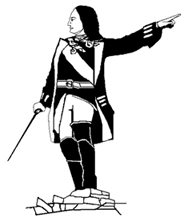
Sarsfields Rock
Sarsfields Rock is a Historical Landmark located in Templebraden, Co. Limerick. Historical landmarks often serve as important sites for understanding local heritage and culture. They can be places of historical significance, natural beauty, or cultural importance, drawing visitors interested in learning more about the past. Such sites contribute to the unique character of a locality and provide valuable insights into the stories that have shaped a region.
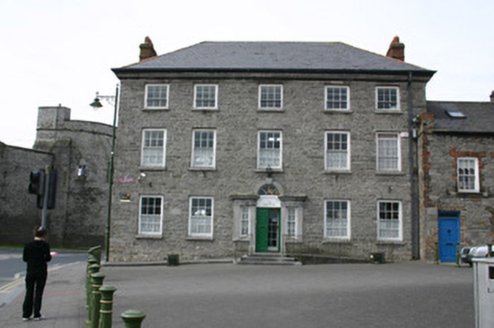
Bishops Palace / The Griffon-Lion Royal Palace
Limerick, Co. Limerick is home to Bishops Palace, a historical landmark. Historical landmarks often serve as important cultural touchstones, offering visitors insights into the past and the development of a region. Such sites can be key attractions for both locals and tourists interested in heritage and architecture. They represent significant places that have witnessed historical events or embody notable artistic or architectural achievements.
Rockstown Castle
Ballysimon Graveyard

Rathkeale Augustinian Abbey
Rathkeale Augustinian Abbey is a historical landmark located in Rathkeale, Co. Limerick. Historical landmarks often serve as important cultural touchstones, offering insights into the past. They can be significant architectural sites or places of historical events. Visitors may explore the grounds to appreciate the heritage and historical context of the location. Such sites contribute to the local identity and provide educational opportunities for those interested in the region's history.
Carraig Aille Ring Forts
Manister Abbey
Knockfierna Famine House
13th century Dominican Friary (Est. 1291)
The Square
1916 Easter Rising IRB Dugout
Kilfinane Motte
A historical landmark, Kilfinane Motte is situated in Kilfinane, Co. Cork. This landmark offers a glimpse into the past, with such sites often providing valuable insights into local history and heritage. Exploring historical landmarks can be a rewarding experience, connecting visitors with the stories and structures that have shaped a region. Many such locations serve as important educational resources and tourist attractions, drawing people interested in archaeology and local lore.
Darragh creamery, county Limerick
Darby’s Bed Neolithic Tomb
Duntryleague Passage Tomb
Galbally Village
Medieval Limerick City Wall
This historical landmark, the Medieval Limerick City Wall, is located in Limerick, Co. Clare. Historical landmarks play a vital role in preserving the heritage and architectural significance of a region. They offer insights into the past, serving as educational resources and points of interest for both locals and visitors. Such sites often represent important periods of history and can be focal points for understanding community development and cultural evolution.
Thomond Weir
Thomond Weir is a historical landmark located in Limerick, Co. Clare. Historical landmarks serve as important markers of the past, offering insights into the heritage and development of an area. They can be sites of significant events or simply structures that have stood the test of time, contributing to the unique character of a locality. Such places often attract visitors interested in local history and culture, providing educational and recreational opportunities for the community and tourists alike. Thomond Weir is part of this rich tapestry of Irish heritage.
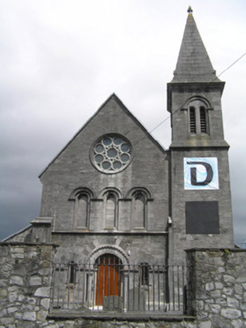
St John's Church
St John's Church is a historical landmark located in Limerick, Co. Clare. Historical landmarks serve as important markers of the past, offering insights into the heritage and architecture of a region. Such sites often attract visitors interested in history and culture. Limerick, Co. Clare is a county with a rich tapestry of historical and cultural attractions, reflecting centuries of Irish history and development. St John's Church contributes to the notable historical landscape of this area.
Hedge School Cottage
Hedge School Cottage is a historical landmark located in Newtown Avenue, Co. Clare. Historical landmarks across Ireland often provide a fascinating glimpse into the past, preserving architectural heritage and telling stories of bygone eras. Such sites can be important educational resources, offering insights into local history and culture. Many visitors find exploring historical landmarks a rewarding way to connect with the heritage of a region. Hedge School Cottage contributes to the rich tapestry of historical sites found throughout Co. Clare.
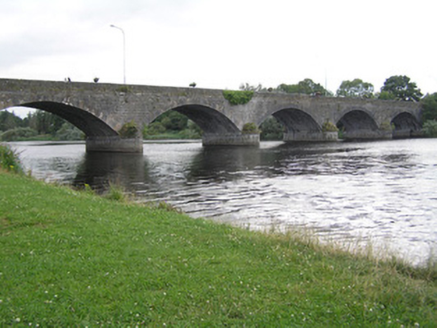
Athlunkard Bridge
Athlunkard Bridge is a historical landmark located in Limerick, Co. Clare. Historical landmarks often serve as important markers of local heritage, providing insight into the past and contributing to the character of an area. Such sites can attract visitors interested in history and culture. These structures can be significant architectural examples or have played a notable role in the development of a region. Athlunkard Bridge is part of the landscape of Limerick, Co. Clare.
Yurty’s Couch
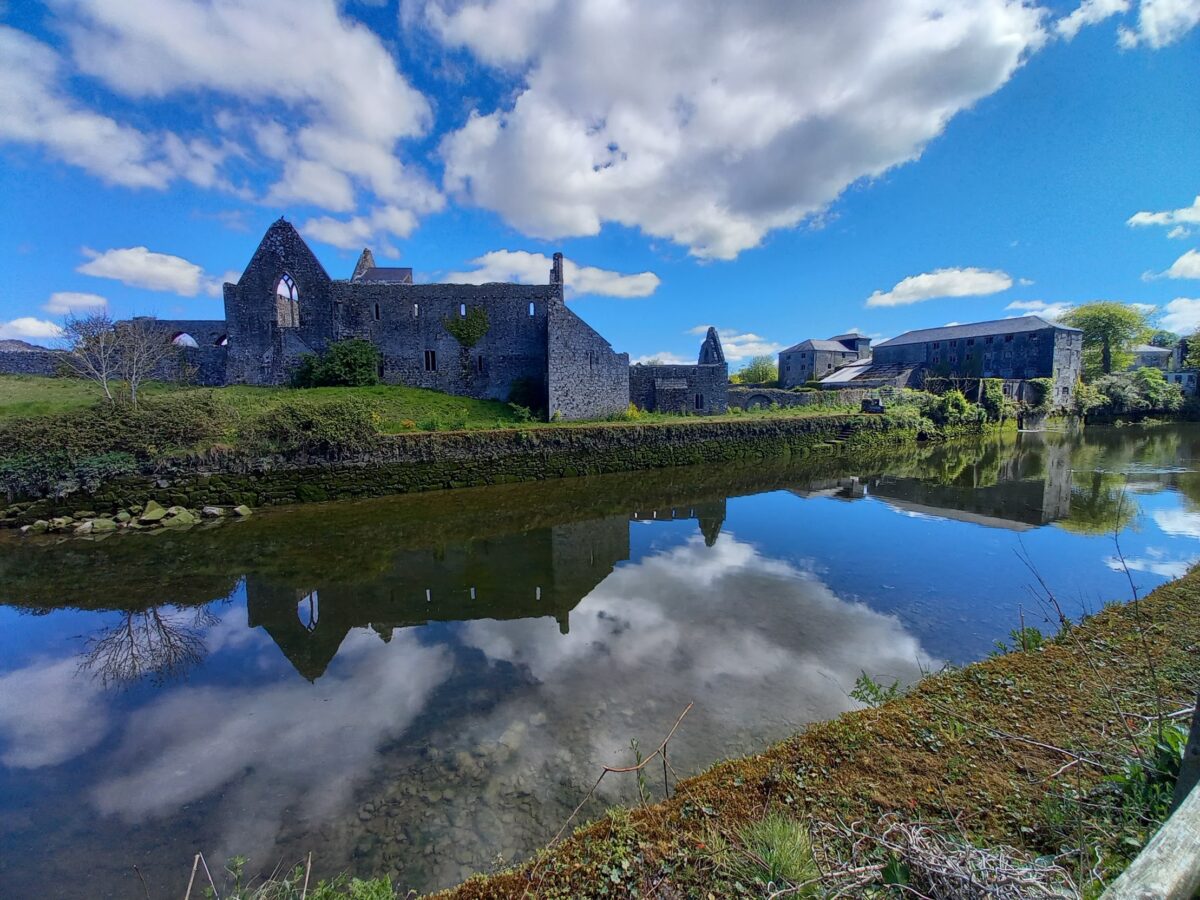
Askeaton Franciscan Friary
Askeaton, Co. Clare is home to Askeaton Franciscan Friary, a significant historical landmark. Such sites often provide a window into the past, preserving architectural styles and offering insights into monastic life and local history. Visitors to historical landmarks typically find opportunities for learning and reflection, appreciating the heritage and cultural significance of these preserved places. Exploring historical landmarks can be a rewarding experience for those interested in Ireland's rich past and the stories held within its ancient structures.
Ringmoylan Pier
Carrigogunnell Castle
Clarina Village, Co. Clare is home to Carrigogunnell Castle, a notable historical landmark. Sites like this provide a valuable connection to Ireland's past, offering visitors a glimpse into centuries of history and heritage. Historical landmarks across the country are important for understanding local and national narratives. Such sites often draw interest from those keen to explore Ireland's rich archaeological and architectural tapestry. Carrigogunnell Castle stands as a point of interest within Clarina Village, Co. Clare for those who appreciate historical exploration.
Curraghchase House
Adare Village
Adare Village is a Historical Landmark located in Adare, Co. Clare. Historical landmarks serve as important links to the past, offering insights into the heritage and culture of a region. They often attract visitors interested in learning about local history and appreciating the architectural or natural significance of a site. Such places can be focal points for community identity and pride. Adare Village contributes to the rich tapestry of historical sites found throughout Ireland, providing a point of interest for those exploring the area.
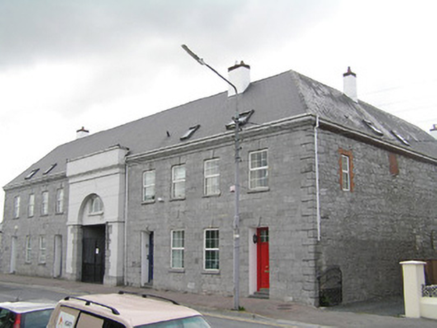
The Strand Barracks
A historical landmark in Limerick, The Strand Barracks stands as a significant structure reflecting the area's past. Historical landmarks such as this serve as important records of local heritage and architectural development. Visitors to Limerick interested in understanding the county's history often explore such sites to gain insight into how communities have evolved over time. The Strand Barracks represents an important part of Limerick's built environment and remains of interest to those studying local historical development and heritage preservation.
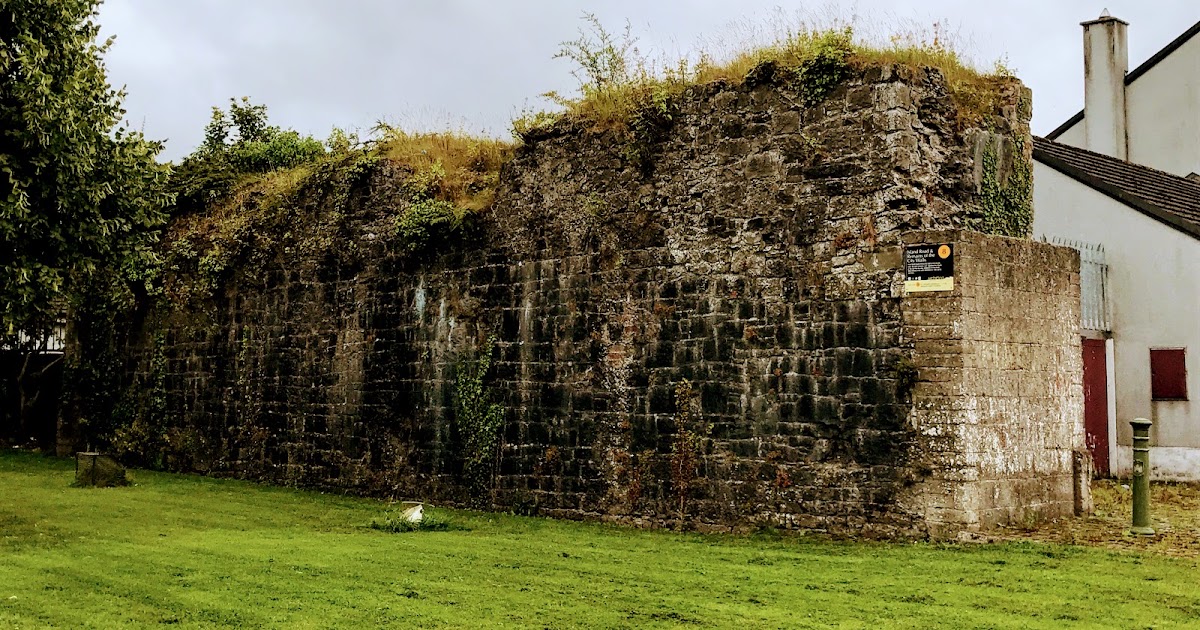
Old City Walls Walk
Limerick is home to Old City Walls Walk, a historical landmark that offers visitors insight into the area's past. The city walls represent an important part of Limerick's medieval heritage and urban development. Walking tours of historical sites like these allow people to explore architectural remnants and learn about the locality's significant historical periods. Such landmarks serve as tangible connections to earlier centuries and provide context for understanding how towns and cities evolved over time.
Plassey Mills Ruins
Plassey Mills Ruins is a historical landmark located in Limerick, Co. Limerick. The ruins represent an important part of the area's industrial heritage and offer visitors insight into the region's past. Historical landmarks such as this serve as tangible connections to previous eras, allowing people to explore and understand the development of their locality. The site attracts those interested in history, heritage, and the evolution of Limerick's landscape over time. Visiting historical places provides opportunities for education and reflection on local significance.

MedievalQuarterLimerick
A historical landmark in Limerick, Co. Limerick, MedievalQuarterLimerick offers visitors an opportunity to explore the city's medieval heritage. This tourist attraction showcases the architectural and cultural remnants of Limerick's past, allowing guests to walk through streets and structures that reflect centuries of Irish history. The medieval quarter provides insight into how the city developed during the Middle Ages, with buildings and layouts that demonstrate the period's characteristics. Visitors to Limerick interested in history and heritage will find this landmark a valuable destination for understanding the locality's evolution and significance.

The Milk Market
Limerick is home to The Milk Market, a historical landmark that serves as a vibrant market and tourist attraction. Originally established as a traditional marketplace, the venue now operates as a dynamic space combining retail, dining, and cultural activities. Visitors can explore independent traders, enjoy refreshments at the on-site café, and experience the building's distinctive character. The Milk Market functions as an event venue, hosting regular gatherings and activities that draw both locals and tourists seeking an authentic Limerick experience.
Mungret Monastery
A historical landmark in Limerick, Mungret Monastery stands as a significant site of cultural and religious heritage in Co. Limerick. The monastery represents an important part of Ireland's monastic tradition and historical landscape. Visitors to the area can explore the remnants of this historical place, which offers insight into the region's past and the role such establishments played in Irish history. The site attracts those interested in archaeology, history, and heritage conservation.
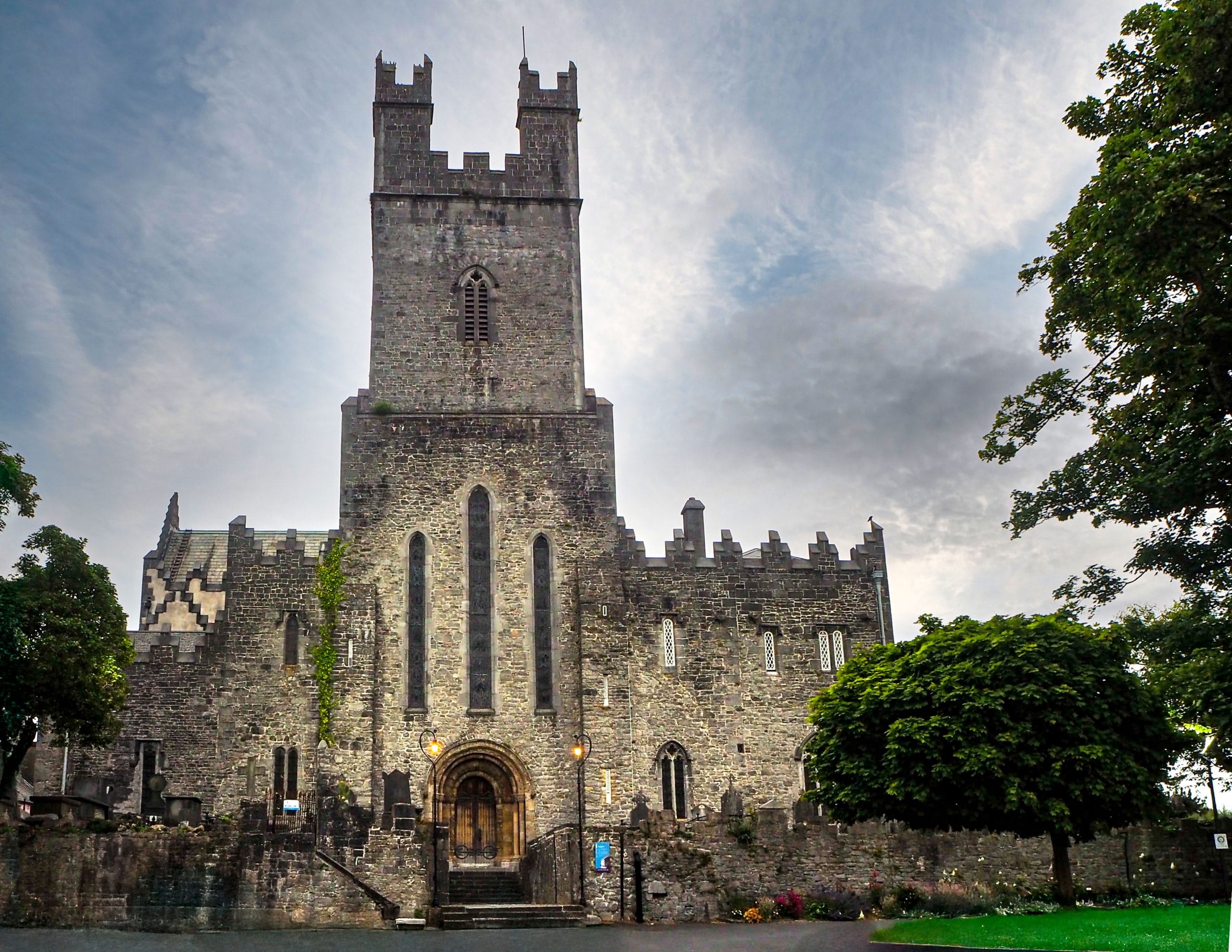
Saint Mary's Cathedral
Saint Mary's Cathedral is a historical landmark located in Limerick, Co. Limerick. This church and place of worship serves as a significant tourist attraction in the area. Visitors to Limerick can explore this notable religious site, which reflects the architectural and spiritual heritage of the region. Historical landmarks such as this cathedral typically draw those interested in local history, religious architecture, and cultural heritage. The cathedral functions as both an active place of worship and an important point of interest for tourists visiting the county.
St John's Cathedral
A historical landmark and place of worship, St John's Cathedral stands in Limerick as a significant site of religious and cultural importance. The cathedral functions as both a church and tourist attraction, drawing visitors interested in the area's architectural heritage and spiritual history. As a place of worship and association, it serves the local community whilst welcoming those exploring Limerick's historical sites. Visitors to the county often include the cathedral in their itineraries when discovering the region's notable buildings and landmarks.
Castle Troy
A historical landmark in Limerick, Co. Limerick, Castle Troy stands as a point of interest for visitors exploring the region's heritage. Historical landmarks such as this offer insights into the area's past and architectural significance. Those interested in local history and heritage sites often find value in visiting such locations to understand the cultural landscape of their locality. Castle Troy welcomes those curious about Limerick's historical attractions and the stories they represent.
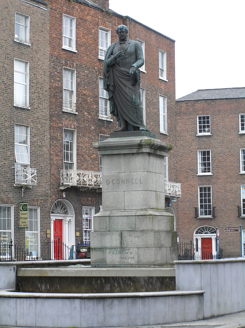
Daniel O'Connell Monument
A historical landmark located in Limerick, Co. Limerick, the Daniel O'Connell Monument stands as a point of interest for visitors exploring the area's heritage. Historical landmarks such as this serve as physical connections to Ireland's past, offering insight into significant figures and events that shaped the nation. The monument functions as a tourist attraction, drawing those interested in local history and architecture. Visitors to Limerick often include such sites in their itineraries when discovering the county's cultural offerings and historical significance.
King John's Castle
King John's Castle is a historical landmark located in Limerick, Co. Limerick. This castle stands as a significant tourist attraction and historical place, offering visitors insight into the area's rich past. Historical landmarks such as castles typically draw those interested in learning about local heritage and architecture. Visitors to Limerick can explore the castle and gain understanding of the region's historical importance through its structure and associated exhibits.
Treaty Stone
A historical landmark in Limerick, the Treaty Stone stands as a significant site of cultural and historical importance. Located in the city, this tourist attraction draws visitors interested in learning about local heritage and historical events. Historical landmarks such as this offer insight into the past and serve as important points of reference for understanding a region's story. The Treaty Stone represents a notable chapter in Limerick's history and continues to be an important destination for those exploring the city's rich past and heritage.
Related categories in Limerick
Browse by town in Limerick
Good to know
Historical Landmark in Limerick — your questions answered
How many historical landmark businesses are there in Limerick?
We list 59 historical landmark businesses across Co. Limerick. The largest concentrations are in Limerick (28), Kilmallock (2), Kilfinane (2) and Lough Gur (2).
How do I find historical landmark near me in Limerick?
Tap “Near me” at the top of the list to sort the 59 historical landmark businesses in Co. Limerick by distance from your current location and see the closest first.
Which historical landmark businesses in Limerick are rated best?
47 of the 59 historical landmark businesses in Co. Limerick carry a customer rating, averaging 4.5 out of 5. The full ranking is at locallyirish.ie/best-of/historical-landmark/limerick, where each entry states whether the score comes from reviews left here or from Google.
How complete are the historical landmark listings for Limerick?
Of 59 historical landmark businesses in Co. Limerick, 13 publish a phone number and 29 list their opening hours. A claimed listing carries a Verified badge on its profile.
Can I add my business in Limerick?
Yes — a listing is free and goes live within minutes. Premium (€9/month) adds priority placement in this list.
Own a historical landmark business in Limerick?
List free and get discovered by local customers searching in Limerick.
List Your Business Free