Munster · Ireland
Historical Landmark in Cork
101 historical landmark businesses listed in Co. Cork — contact details, opening hours and reviews, all in one place. Use “Near me” to see the closest to you.
Co. Cork has 101 historical landmark businesses listed on LocallyIrish, with the largest concentrations in Cork (30), Cobh (3), Bantry (3) and Glanworth (2). Every profile includes contact details and, where the business provides them, opening hours, reviews and a map. Tap Near me to sort by distance and find the closest to you.
Historical Landmark by town in Co. Cork
Nothing matches that filter — clear it to see all listings.
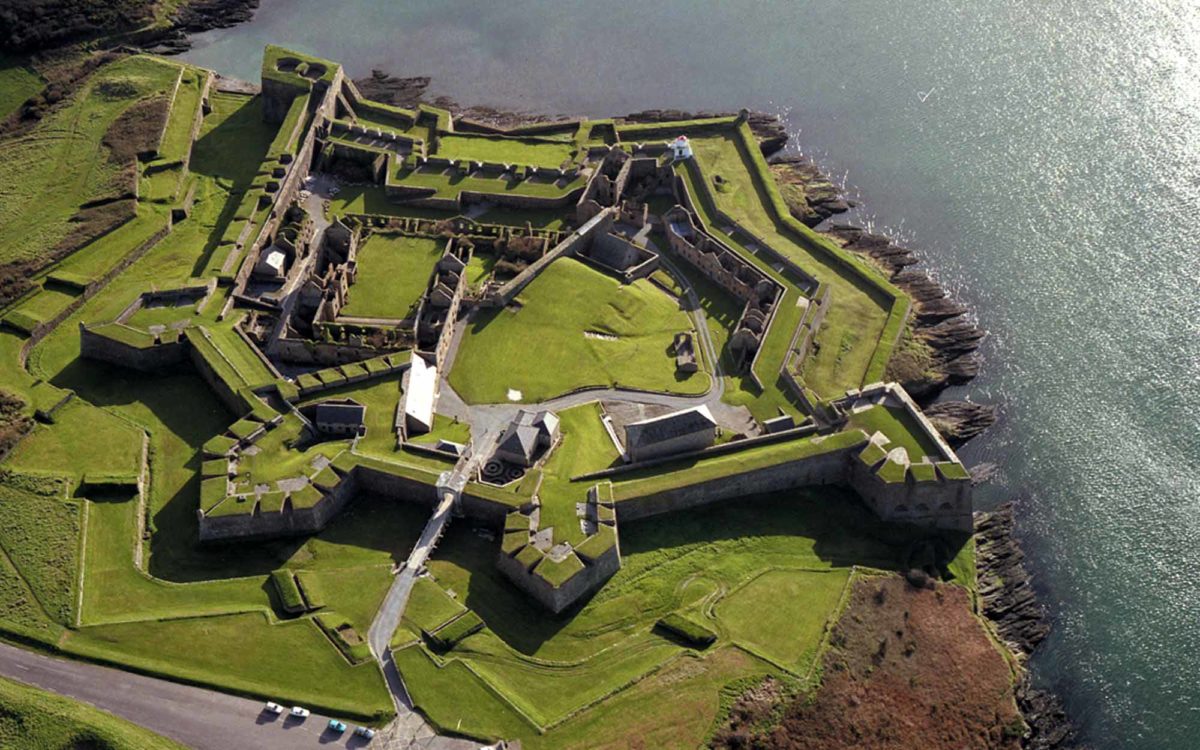
Charles Fort
A historical landmark situated in Kinsale, Co. Cork, Charles Fort stands as a significant example of 17th-century military architecture. The fort represents an important period in Irish history and attracts visitors interested in exploring the country's heritage. Historical landmarks such as this offer insights into past events and architectural styles, allowing tourists and locals alike to connect with the broader historical narrative of their region. Charles Fort provides an opportunity to experience the built heritage that defines much of Ireland's cultural landscape and local character.

Nano Nagle Place
Nano Nagle Place is a historical landmark in Cork, Co. Cork, dedicated to the life and legacy of Nano Nagle, an 18th-century Irish educator and founder of the Presentation Sisters. The site features a museum exploring her remarkable story and impact on Irish education. Visitors can enjoy the peaceful garden, browse the book store, or relax at the café. The venue also hosts events and serves as a cultural space for the community, offering a reflective experience of Cork's historical significance.
Cork City Hall
A historical landmark in Cork, Co. Cork, Cork City Hall stands as a significant structure within the city's architectural heritage. Historical landmarks such as this serve as important focal points for understanding local history and culture, offering visitors insight into the area's past. Those interested in exploring Cork's historical sites will find value in examining the building's role in the city's development and its place within the broader narrative of the region.

Cork City Gaol
Cork City Gaol is a historical landmark located in Cork, Co. Cork. This museum and tourist attraction offers visitors insight into the area's past through its preserved structures and exhibits. Historical landmarks such as this provide an important window into local heritage and the stories that have shaped communities over time. Visitors to Cork can explore the significance of this site and learn about the events and people connected to its history.
Old Cork Waterworks Experience
Old Cork Waterworks Experience is a historical landmark in Cork, Co. Cork, offering visitors an insight into the city's industrial heritage. The site functions as a tourist attraction and visitor centre, welcoming those interested in learning about Cork's water infrastructure and engineering history. Amenities on site include a café for refreshments and a playground for families. The venue also provides tourist information services and can assist with tour and travel arrangements, making it a comprehensive destination for both locals and visitors exploring Cork's past.
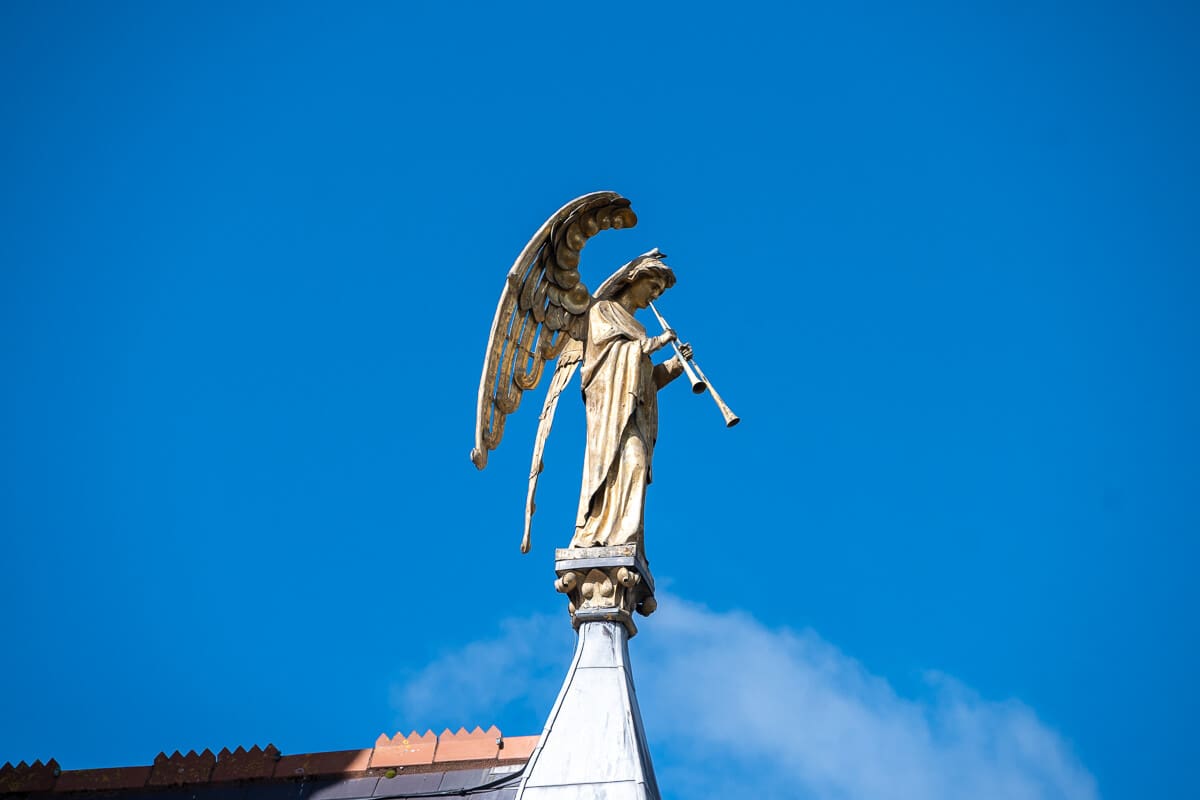
Saint Fin Barre's Cathedral
A historical landmark and place of worship, Saint Fin Barre's Cathedral stands in Cork, Co. Cork. This church serves as both a significant tourist attraction and an active centre for religious practice. The cathedral represents an important part of Cork's architectural and cultural heritage. Visitors to the area often explore such landmarks to appreciate the craftsmanship, historical context, and spiritual significance they embody. Saint Fin Barre's Cathedral draws people interested in history, architecture, and religious heritage from across the region and beyond.
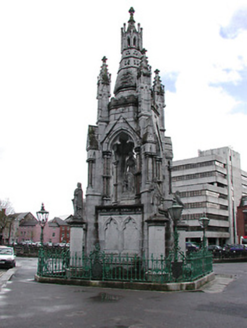
The National Monument
A historical landmark located in Cork, Co. Cork, The National Monument stands as a significant point of interest for visitors and locals alike. Historical landmarks serve as tangible connections to the past, offering insight into the events and figures that have shaped Irish history and culture. Such sites typically attract those interested in learning about local heritage and the broader historical narrative of their region. The National Monument provides an opportunity to engage with Cork's historical legacy and understand the importance of the area's past within the context of Irish history.
Elizabeth Fort
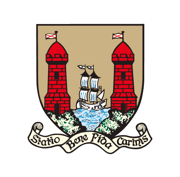
A historical landmark in Cork, Elizabeth Fort stands as a significant site of cultural and historical importance to the county. The fort represents an important chapter in Cork's past and attracts visitors interested in exploring the region's heritage. Historical landmarks such as this offer insights into local history and architecture, allowing visitors to connect with the stories and events that have shaped Cork over time. Those visiting the area will find Elizabeth Fort a worthwhile destination for understanding the locality's historical context and development.
Red Abbey Tower
Red Abbey Tower is a historical landmark located in Cork, Co. Cork. This notable structure stands as a point of interest for visitors exploring the county's architectural heritage. Historical landmarks such as this offer insights into Cork's past and contribute to the area's cultural landscape. The tower attracts those interested in local history and heritage tourism. Visitors to Cork often seek out such sites to understand the region's development and significance throughout the centuries.
'Giant's Grave' Megalitic Site
Dunmahon Castle
Brigown Church
Churchtown North Cemetery
Aglish Cemetery
Castletownroche Mill
The White Knight's Castle
Glenville Famine Walk
Island Wedge Tomb
A historical landmark, Island Wedge Tomb can be found in Co. Cork. Wedge tombs are megalithic monuments dating from the Copper Age and Bronze Age. They are typically found in the west of Ireland, with a concentration in County Clare. These structures are thought to have been used for burial or ceremonial purposes. Many examples across the country provide a tangible link to Ireland's ancient past, offering visitors a glimpse into the lives of early inhabitants.
Ballinacurra Old Church and Cemetery
Ballinacurra Old Church and Cemetery is a Historical Landmark located in Ballinacurra, Co. Cork. Historical landmarks often serve as important sites for understanding local heritage and the passage of time. Such places can offer insights into past communities and architectural styles. Visitors to historical landmarks can explore sites that have stood for generations, bearing witness to changes in the surrounding area. The preservation of these sites is often key to maintaining a connection with history and providing educational opportunities about the past for both locals and tourists alike.
Glanworth Friary
The Famine Walk
Ballyhooly Castle
Glanworth Bridge
Labbacallee Wedge Tomb
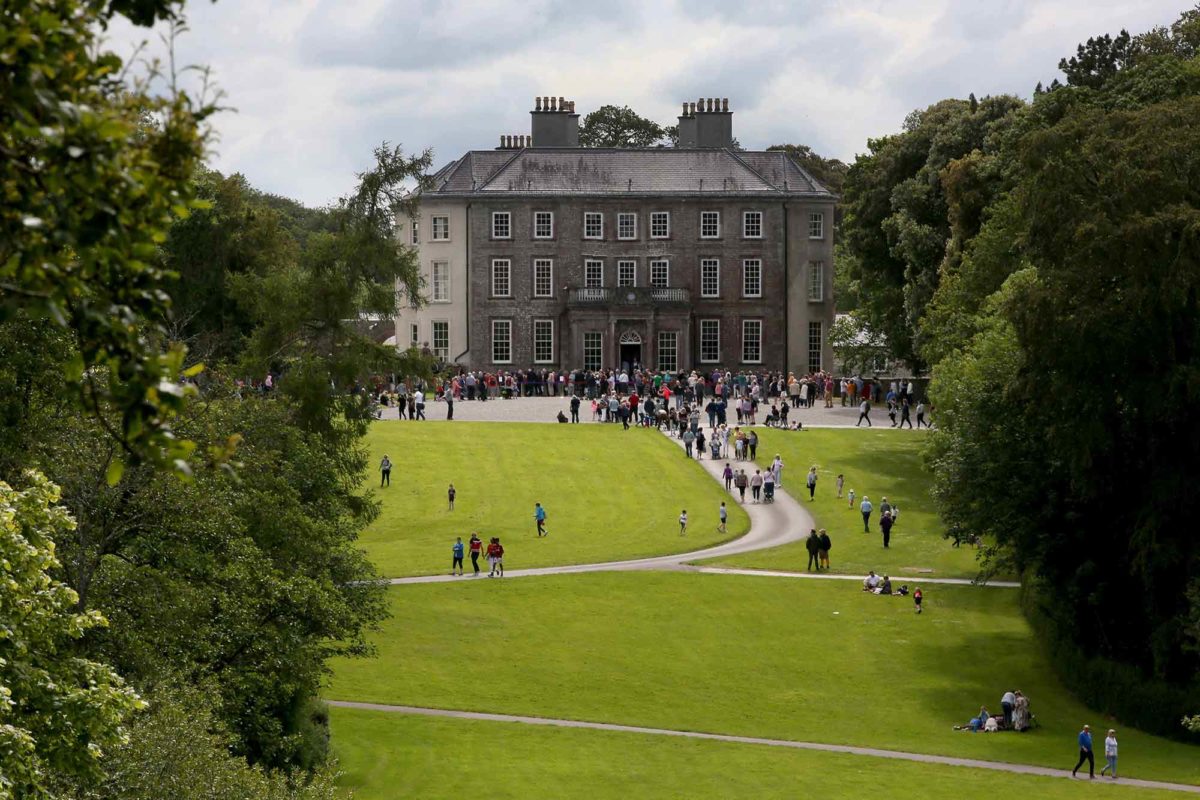
Doneraile Court
Doneraile, Co. Cork is home to Doneraile Court, a significant Historical Landmark. Such sites often provide a glimpse into the past, offering visitors an opportunity to explore architecture and landscapes that have stood for generations. Historical landmarks play a vital role in preserving heritage and educating the public about local and national history. They are places where stories of bygone eras can be imagined and appreciated, contributing to the cultural fabric of an area.
Glebe House ruins
Holden Plaza
Leitrim Beg Wedge Tomb
Historic Tobin House
Rathgaskig Ring Fort
Derryarkane Stone Circle
Derryarkane Stone Circle is a historical landmark situated in Co. Cork. Historical landmarks often represent significant ancient sites that draw visitors interested in archaeology and local heritage. Such places can offer a glimpse into past civilisations and their enduring structures. Exploring these sites provides a connection to the history of the land and the people who inhabited it centuries ago, contributing to a broader understanding of Ireland's rich past.

Kilmore Church and Graveyard
Kilmore Church and Graveyard is a historical landmark located on Whiddy Island, Co. Cork. Historical landmarks serve as important sites for understanding local heritage and the passage of time. They often feature architecture and artefacts that tell a story of past communities and significant events. Visitors to such sites can gain insight into the history and culture of a region, appreciating the enduring legacy left behind by those who came before. Kilmore Church and Graveyard offers a tangible connection to the past for those exploring Whiddy Island, Co. Cork.
Cloghboola Stone Circle
Art Ó Laoghaire Stone
Croohig's Cross Roads
Barnagowlane West Wedge Tomb
Co. Cork is home to many significant historical sites, and the Barnagowlane West Wedge Tomb is one such example. As a historical landmark, it represents an important part of Ireland's ancient past. Wedge tombs are a type of megalithic monument found predominantly in Ireland, dating back to the late Neolithic or early Bronze Age. These structures typically consist of a gallery, or chamber, for burials, covered by a cairn of stones. Visiting such sites offers a tangible connection to the people who lived and died in Ireland thousands of years ago.
the boat slip
Inchireagh Stone Circle
Rockmount, Co. Cork is home to Inchireagh Stone Circle, a significant historical landmark. Such ancient sites across Ireland often draw visitors interested in archaeology and local heritage. These formations typically comprise standing stones arranged in a circular pattern, with their original purpose still a subject of study and speculation among historians and archaeologists. They are important features of the Irish landscape, contributing to the understanding of past societies and their rituals. Inchireagh Stone Circle forms part of this rich archaeological tapestry.
Bantry Water Wheel
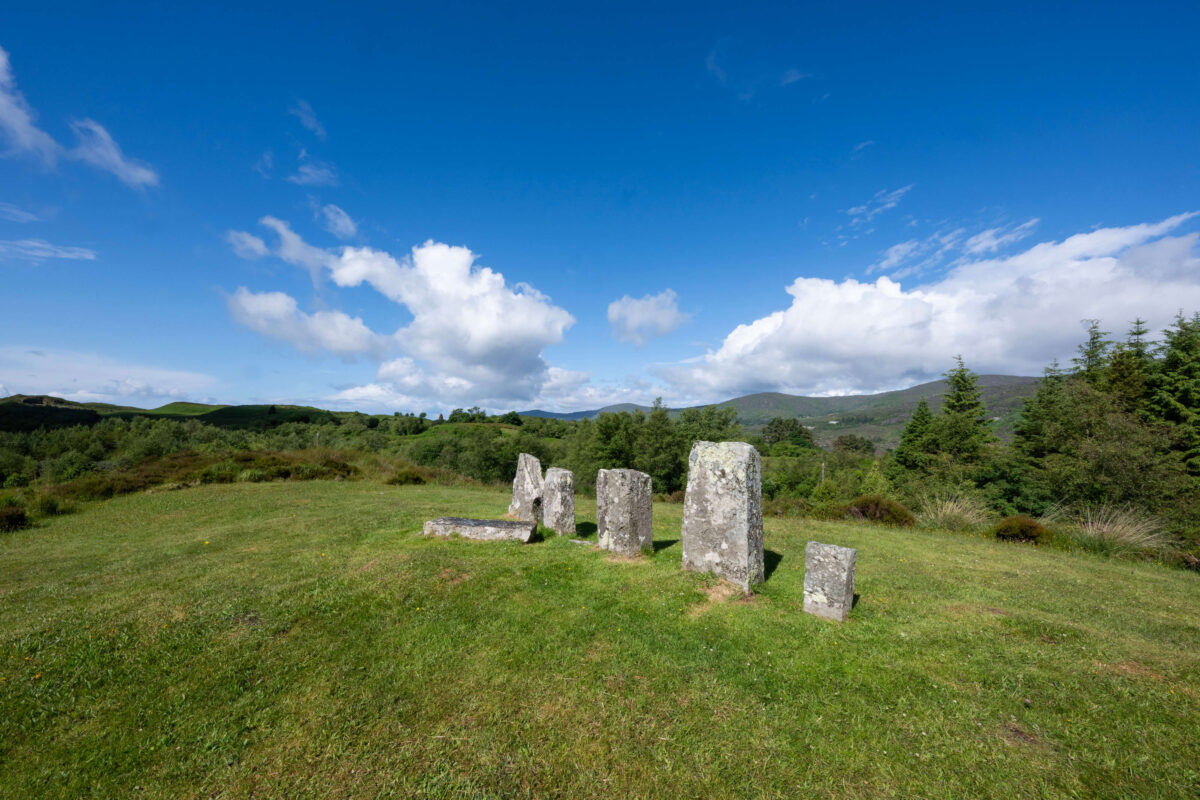
Maughanasilly Stone Row
Maughanasilly Stone Row is a historical landmark located in Kealkill, Co. Cork. Historical landmarks often serve as important sites for understanding the past, offering insights into ancient cultures and traditions. These sites can attract visitors interested in archaeology, history, and heritage. They contribute to the cultural landscape of an area and provide educational opportunities. Such landmarks are integral to the preservation of local and national identity.
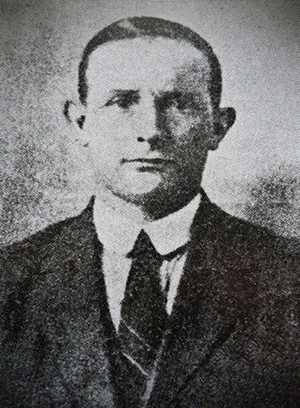
Sam Maguire's Birthplace
Co. Cork is home to Sam Maguire's Birthplace, a historical landmark. Such sites are vital for understanding the heritage of Ireland. They offer a tangible connection to the past, allowing visitors to explore the stories and events that have shaped the nation. Local historical landmarks often serve as focal points for community pride and education, drawing interest from both residents and tourists alike. These places contribute significantly to the cultural landscape, preserving memories and providing insights into different eras.
Christopher Lucey Memorial - Tuirin Dubh, Ballingeary, Co Cork
Standing Stone
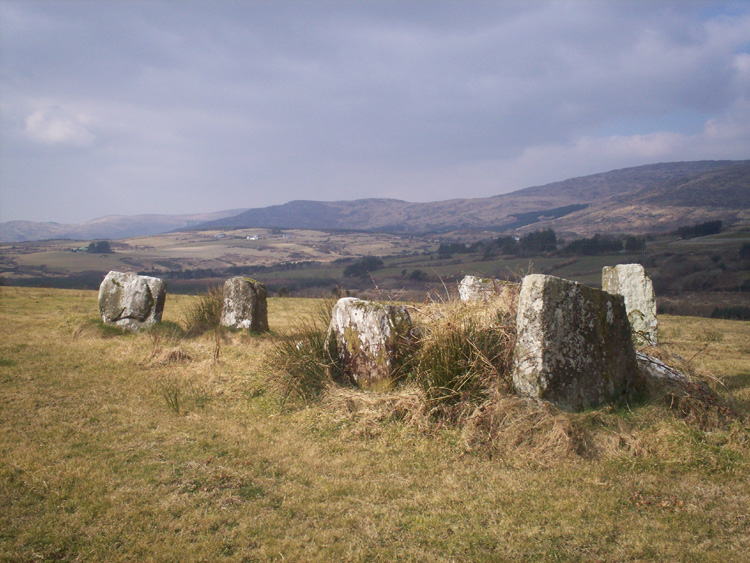
Clodagh Standing Stones
Clodagh Standing Stones is a historical landmark situated in Co. Cork. Such ancient sites often provide a tangible link to Ireland's past, offering visitors a glimpse into the lives and beliefs of earlier peoples. These stone formations can be found across the island, many with their own unique stories and archaeological significance. Exploring a historical landmark like Clodagh Standing Stones allows for personal discovery and appreciation of the landscape's enduring heritage.
The Stepping Stones
Captain Francis O’Neill Statue
Glantane East
Tobar Ghobnatan
Kilnaruane Pillar Stone
Kilmichael Ambush Site(Láithreán Luíochán Chill Mhichíl)

Top of the Rock Pod Páirc and Walking Centre
This historical landmark, Top of the Rock Pod Páirc and Walking Centre, is located in Cork, Co. Cork. Historical landmarks often provide insights into the past, offering visitors a chance to connect with heritage and local history. Such sites can be important for education and tourism, drawing people interested in learning about the area's background. Many historical landmarks feature walking routes or trails, encouraging exploration and appreciation of the surrounding landscape. These centres can serve as focal points for community engagement and cultural preservation.
Bantry House
Bantry House is a historical landmark located in Bantry, Co. Cork. Historical landmarks often serve as significant sites of cultural and heritage interest, offering visitors a glimpse into the past. Such places can include grand estates, ancient ruins, or important architectural structures, each telling a unique story. They are valuable for education and tourism, preserving stories and traditions for future generations. Bantry House is one such site contributing to the rich tapestry of Irish heritage.
Robert’s Head Signal Tower
Rostellan Folly tower

Barnahely Castle or Castle Warren
Barnahely Castle or Castle Warren is a Historical Landmark located in Co. Cork. Historical landmarks often serve as important markers of the past, offering insights into the heritage and development of a region. Such sites can be valuable for education and tourism, providing a tangible connection to earlier times. Many historical landmarks in Ireland contribute to the unique cultural landscape of their locality.
Castlelyons Abbey
Scanners Settlement
Blackrock House " Old Convent "
Barrymore Castle
The Rock 'Cathedral Steps'
Cobh, Co. Cork is home to The Rock 'Cathedral Steps', a historical landmark. This significant site offers a glimpse into the area's past and is a point of interest for visitors exploring the town. Historical landmarks like this often serve as focal points for local heritage and tourism, contributing to the rich tapestry of Irish history. Exploring such locations provides an opportunity to connect with the stories and events that have shaped the landscape and communities of Ireland.
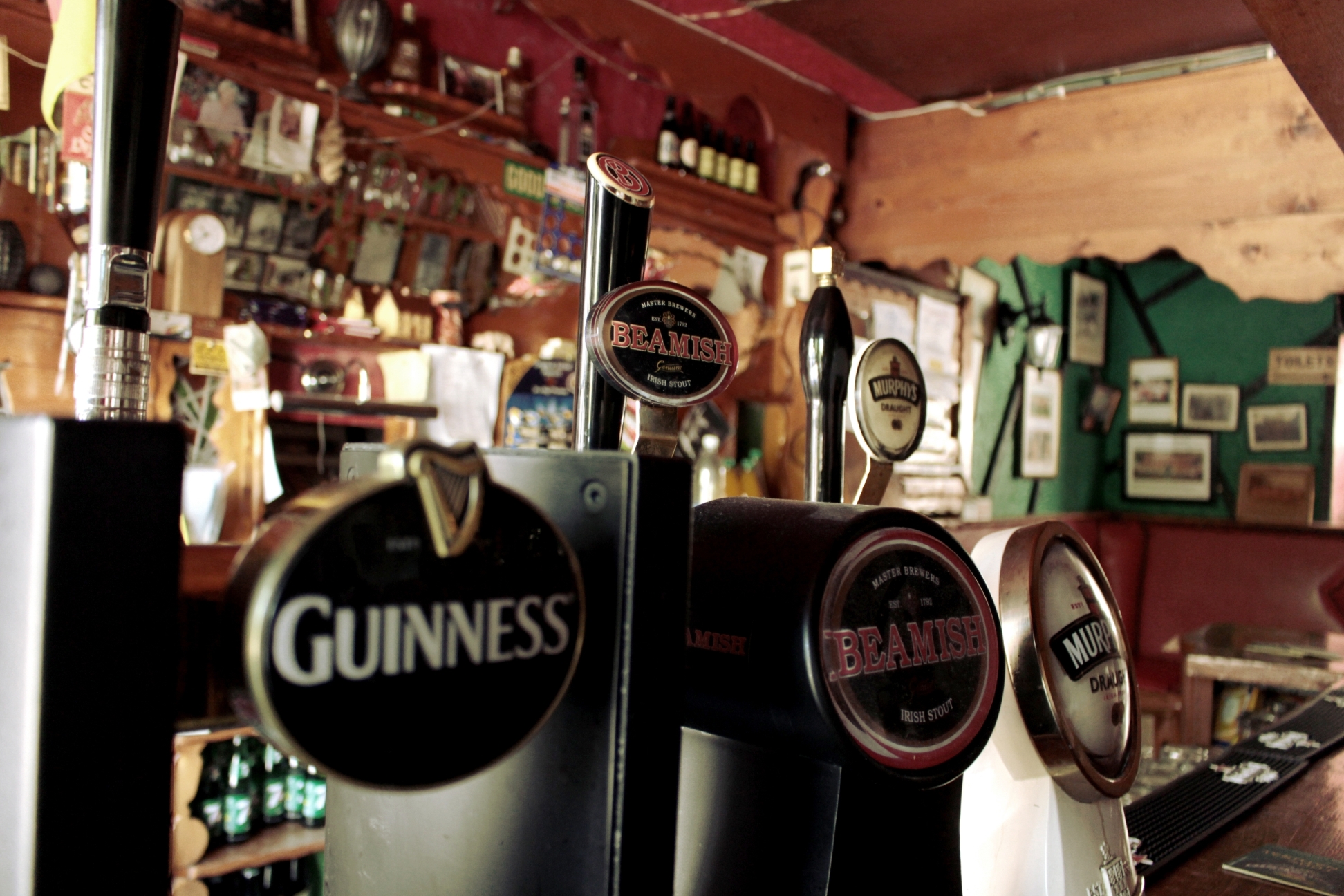
The Diamond Bar
The Diamond Bar is a historical landmark located in Bealnablath, Co. Cork. Historical landmarks often serve as important places for people to connect with the past and learn about local heritage. These sites can be significant for understanding the social, cultural, and economic development of an area. Visitors to such places can gain insights into the stories and events that have shaped their communities over time. The Diamond Bar is part of the historical landscape of Bealnablath, Co. Cork.
Hidden famine village of Courtaparteen

The Clock House
Mallow, Co. Cork is home to The Clock House, a Historical Landmark. Historical landmarks often serve as important focal points within a community, offering insight into the area's past and heritage. Such sites can be valuable for local tourism and education, providing a tangible connection to the history of the region. They are places that contribute to the unique character of a town or county.
Ballyannan Castle
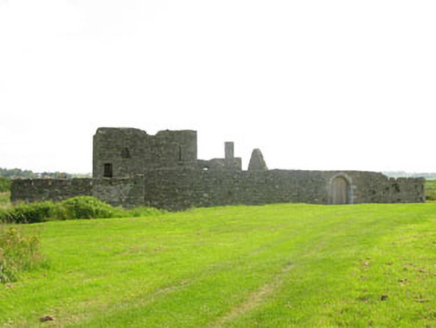
James Fort Blockhouse
This historical landmark, James Fort Blockhouse, is situated in Kinsale, Co. Cork. Historical landmarks across Ireland serve as vital links to the past, offering insights into significant events and architectural styles of bygone eras. Such sites are often key attractions for those interested in heritage and local history, drawing visitors keen to explore Ireland's rich cultural tapestry. Exploring a historical landmark provides an opportunity to connect with the stories and people who shaped the landscape.
Courtaparteen Church
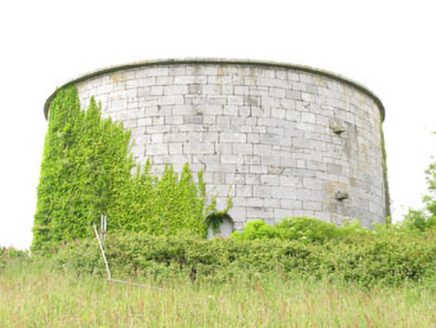
Martello Tower
Martello Tower is a historical landmark located in Ringaskiddy, Co. Cork. Historical landmarks often serve as important markers of the past, offering insights into local heritage and historical events. These sites can be significant for tourism and education, drawing visitors interested in history and culture. Many such landmarks are preserved for their architectural or historical value, contributing to the character of a locality. Ringaskiddy is a coastal area in County Cork, known for its maritime connections and scenic surroundings.
Medieval City Wall (Balla Cathrach na Meánaoise)
Cloyne Round Tower
Bellmount House Gate Lodge (Ruin)
Dundaniel Castle(Caisleán Dundaniel)
Dundaniel Castle is a historical landmark located in Co. Cork. Historical landmarks across Ireland offer visitors a glimpse into the nation's rich past, often featuring significant architectural elements and stories of bygone eras. Such sites are important for understanding local heritage and can provide educational and enriching experiences for all ages. Dundaniel Castle contributes to the cultural landscape of Co. Cork.
Rostellan Dolmen - Carraig a' Mhaistín
Clonmult Ambush Memorial
Clonmult Ambush Memorial is a historical landmark located in Clonmult, Co. Cork. Historical landmarks serve as important markers of significant events and places. They provide a connection to the past, allowing visitors to learn about local history and heritage. Such sites often commemorate important moments or individuals, offering educational value and a sense of place. Clonmult Ambush Memorial is part of this tradition, contributing to the historical landscape of Co. Cork.

Crawford's Quay
Crawford's Quay is a historical landmark located in Cork, Co. Cork. Historical landmarks serve as important touchstones to the past, often preserving structures or sites of significant cultural or historical interest. They provide valuable insights into the development and heritage of an area, allowing visitors and locals alike to connect with local history. Such sites can be focal points for community events and educational opportunities, enriching the cultural landscape of their surroundings. Crawford's Quay contributes to the historical tapestry of Cork.
Green Way Mahon Cork "The Line"
Cork, Co. Cork is home to Green Way Mahon Cork "The Line", a historical landmark. Historical landmarks are sites of significant past events or cultural importance, offering a glimpse into local heritage. Such places often serve as educational resources and points of interest for both residents and visitors alike, contributing to the unique character of an area and providing opportunities to learn about the history that shaped the community.
Captain Frederick Hanson Monument
Captain Frederick Hanson Monument is a historical landmark located in Cork, Co. Cork. Historical landmarks across Ireland serve as important touchstones to the past, offering insights into local heritage and significant events. Such sites often provide valuable educational opportunities and contribute to the cultural landscape of their communities. Visitors to historical landmarks can explore and learn about the stories that have shaped the country.
Huguenot Cemetery
This historical landmark is the Huguenot Cemetery in Cork, Co. Cork. Cemeteries serve as important repositories of local history and heritage, often preserving the stories of communities and individuals from past generations. They can offer insights into the social, cultural, and religious life of an area. Exploring historical sites like the Huguenot Cemetery can provide a tangible connection to the past and a deeper understanding of the development of towns and cities across Ireland.
Mass Rock

Dance Cork Firkin Crane
Dance Cork Firkin Crane is a historical landmark located in Cork, Co. Cork. Historical landmarks often serve as important cultural and architectural points of interest within a locality. They can be significant for their past events, their role in local heritage, or for the stories they help to preserve. Such sites frequently attract visitors interested in learning about the history and traditions of an area, contributing to the cultural landscape of their surroundings. Dance Cork Firkin Crane stands as a notable example of such a place within Cork.
The Black Bridge (Blackrock to passage Greenway) (An Droichead Dubh)
This historical landmark, The Black Bridge, is located in Cork, Co. Cork. Historical landmarks serve as important links to the past, often providing insights into local heritage and significant events. They can be sites of national importance or simply places that hold local memory and character. Such places contribute to the cultural landscape of an area, offering educational and reflective opportunities for visitors and residents alike. Preservation and understanding of these sites are key to appreciating the evolution of a community and its surroundings.
Annie Moore Monument
Cobh, Co. Cork is home to the Annie Moore Monument, a significant Historical Landmark. This monument commemorates Annie Moore, the first emigrant to be processed at the Ellis Island immigration station in New York. Such landmarks often serve as important focal points for local history and heritage, drawing visitors interested in genealogical research and the broader story of Irish emigration. The presence of this Historical Landmark in Cobh contributes to the town's rich narrative and its connection to the global Irish diaspora, offering a tangible link to a pivotal moment in history for many.
St Vincent's Bridge (Droichead Naomh Uinseann)
Kilquane Cemetary
Kennedy Pier
Cobh, Co. Cork is home to Kennedy Pier, a significant Historical Landmark. Such sites often play a crucial role in local heritage and tourism, offering visitors insights into the area's past. Historical landmarks in Ireland can range from ancient ruins to more recent structures that have shaped community identity and national narrative. These places serve as tangible links to bygone eras, attracting those interested in genealogy, history, and Irish culture. Kennedy Pier contributes to the rich tapestry of historical attractions found throughout County Cork and the wider country.
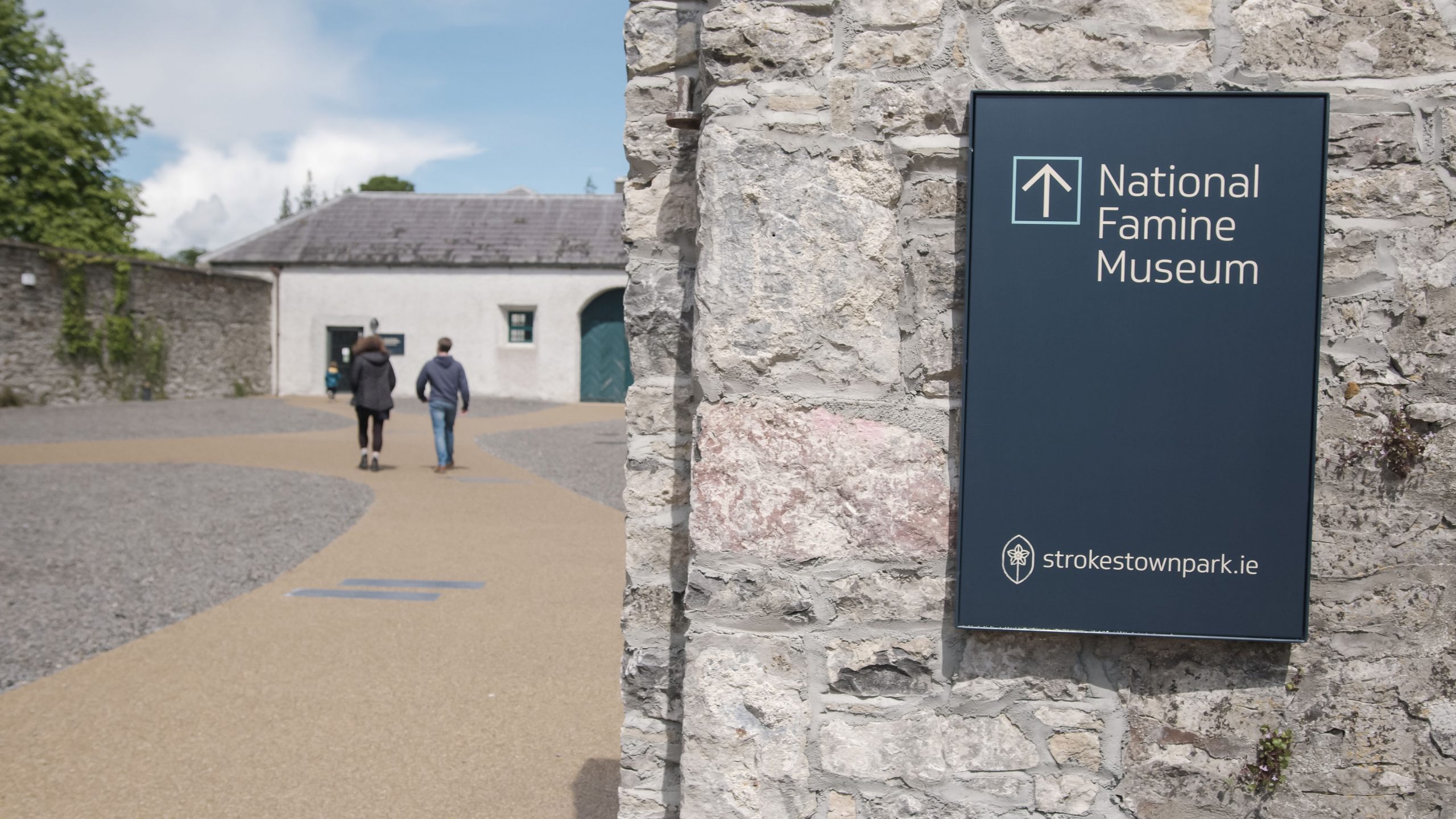
Fota Arboretum
Fota Arboretum is a historical landmark located in Fota, Co. Cork. Historical landmarks often provide a glimpse into the past, showcasing significant sites or structures that have played a role in local or national heritage. These places can be important for education, tourism, and preserving cultural memory. Visitors to such sites can learn about historical events, architectural styles, and the natural environment. Fota Arboretum contributes to the rich tapestry of historical sites found across Ireland, offering a point of interest for those exploring the Cork region.
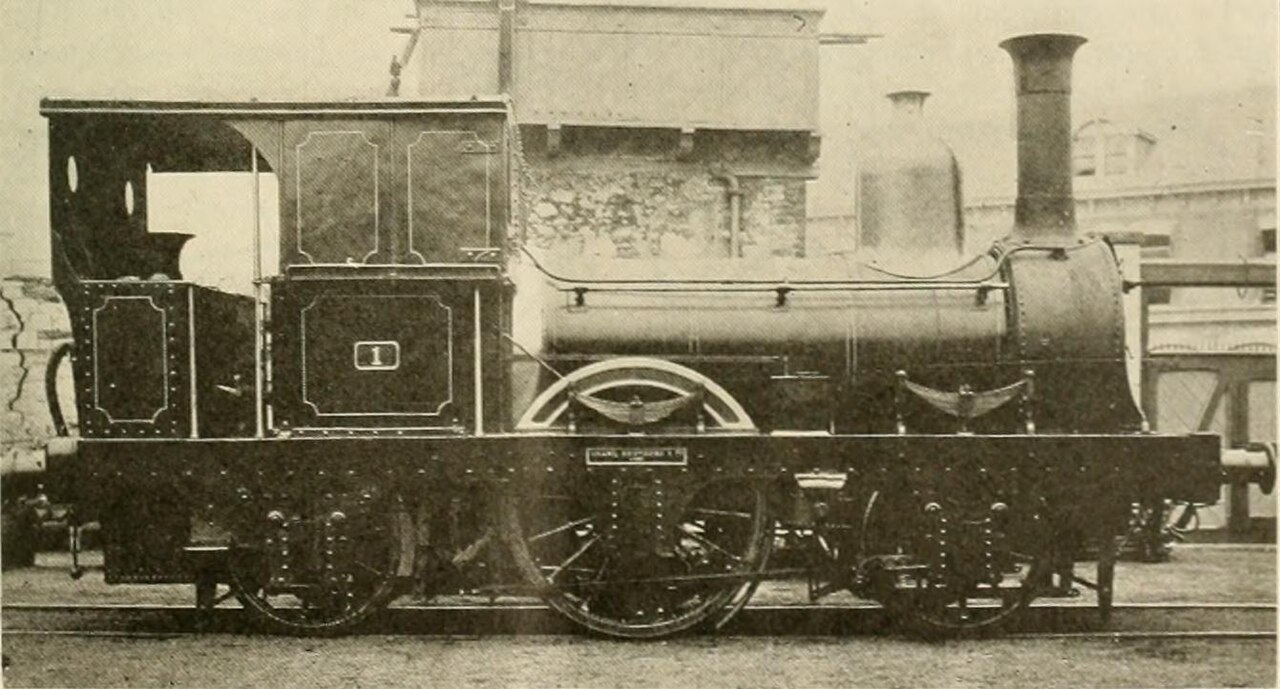
Blackrock Railway Greenway
A Historical Landmark, Blackrock Railway Greenway is situated in Cork, Co. Cork. This site offers visitors an opportunity to explore local heritage. Historical landmarks often serve as important points of interest, providing insights into the past for both residents and tourists. Such locations can be focal points for community engagement and education, preserving stories and memories for future generations. Exploring a historical landmark like Blackrock Railway Greenway can be a rewarding experience, connecting people with the unique character of their surroundings.
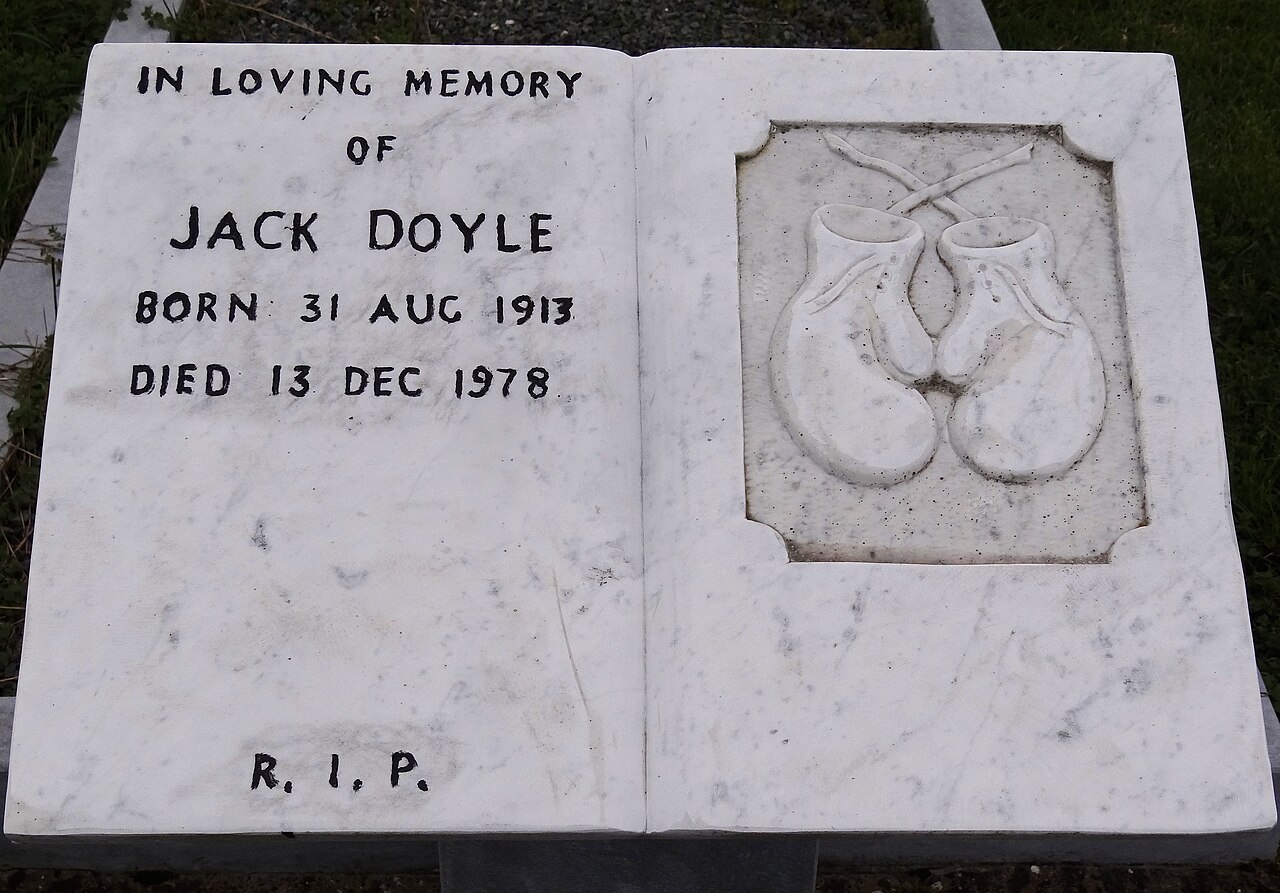
Cobh Old Church Cemetery
Co. Cork is home to Cobh Old Church Cemetery, a Historical Landmark. Cemeteries often serve as significant historical sites, offering insights into local history, genealogy, and past eras through their monuments and inscriptions. They can be places of reflection and historical exploration, providing a tangible connection to the past for visitors and locals alike. Exploring such sites can be a poignant experience, revealing stories etched in stone and offering a quiet space to contemplate.
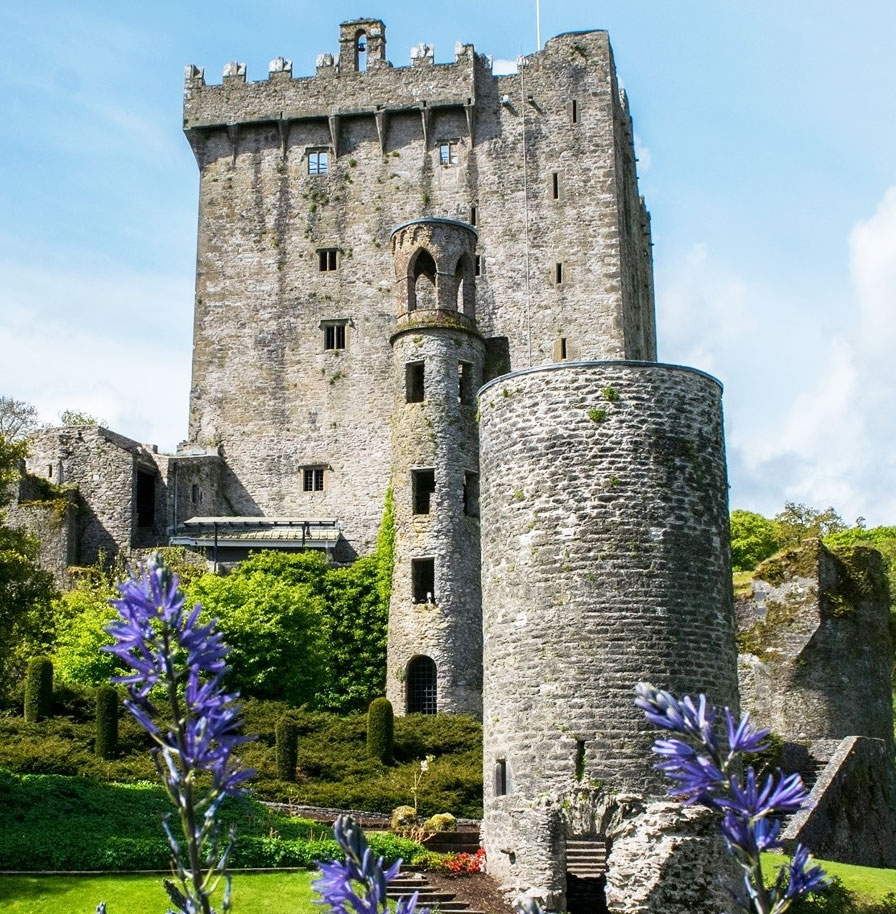
Blarney Castle House (Teach Caisleán na Blarnan)
Blarney Castle House is a historical landmark located in Cork, Co. Cork. Many visitors are drawn to historical landmarks for their cultural significance and the opportunity to learn about local heritage. These sites often provide insights into past events and the lives of people from different eras. Exploring such locations can be an enriching experience, offering a tangible connection to history and a chance to appreciate architectural or natural beauty. Discovering the stories behind a historical landmark adds depth to any visit, making it a memorable part of exploring a region.
Bridgetown Abbey
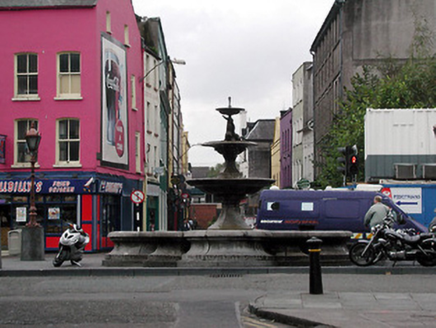
Berwick Fountain
Cork, Co. Cork is home to the Berwick Fountain, a historical landmark. Historical landmarks across Ireland offer visitors a glimpse into the past and contribute to the rich cultural tapestry of their localities. These sites often serve as important points of interest for both locals and tourists, providing educational value and a connection to heritage. Their presence enhances the character of towns and cities, making them significant features within their communities.
Fort Mitchel, Spike Island
Fort Mitchel, Spike Island is a historical landmark located in Co. Cork. Historical landmarks offer visitors a glimpse into the past, often showcasing significant architecture, events, or cultural heritage. These sites can provide educational experiences and a deeper understanding of local and national history. Exploring such locations allows for discovery and appreciation of the stories and structures that have shaped communities over time. Fort Mitchel, Spike Island contributes to the rich tapestry of historical sites available for exploration in the region.
Father Mathew Statue
A historical landmark located in Cork, Co. Cork, the Father Mathew Statue stands as a notable point of interest for visitors to the city. Historical landmarks such as this serve as physical connections to Ireland's past, offering opportunities for tourists and locals alike to engage with significant cultural heritage. The statue represents an important aspect of Cork's historical narrative and remains a recognisable feature within the urban landscape. Those exploring Cork's city centre often encounter this monument whilst discovering the wider array of historical sites and attractions the locality has to offer.
Kinneigh round tower
Co. Cork is home to Kinneigh round tower, a historical landmark of archaeological significance. Round towers are distinctive structures found throughout Ireland, dating back to the medieval period and typically constructed between the 6th and 12th centuries. These towers served various purposes, including defence, bell towers, and places of refuge during times of conflict. Kinneigh round tower represents an important part of Ireland's built heritage and offers visitors insight into the architectural practices and historical context of medieval Irish settlements. Such landmarks attract history enthusiasts and those interested in exploring Ireland's rich past.

History of Port of Cork
A historical landmark in Cork, History of Port of documents and celebrates the maritime heritage of the locality. The site offers visitors insight into Cork's significant role in shipping and trade throughout history. Historical landmarks such as this provide valuable context for understanding how ports shaped communities and economies across Ireland. Those interested in local history, maritime heritage, and Cork's development will find this destination informative and engaging.
The Coal Quay
Cork is home to The Coal Quay, a historical landmark situated in the city centre. This historical place reflects Cork's maritime heritage and urban development over centuries. The Coal Quay represents an important part of the city's past, drawing visitors interested in local history and heritage. Historical landmarks such as this offer insights into how communities evolved and functioned through different periods. Those exploring Cork's tourist attractions will find this location a meaningful stop for understanding the city's commercial and cultural significance throughout its history.
St Patrick's Bridge
St Patrick's Bridge is a historical landmark located in Cork, Co. Cork. This bridge serves as both a significant transportation route and a notable tourist attraction within the city. Historical landmarks such as this one are important features of Ireland's built heritage, offering visitors insight into the architectural and engineering practices of past eras. The bridge represents a key part of Cork's infrastructure and urban landscape, drawing those interested in the city's history and development over time.
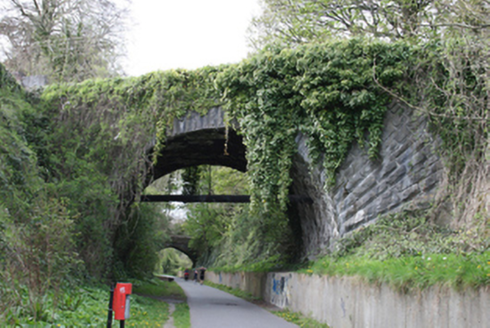
Dundanion House Bridge
Cork is home to Dundanion House Bridge, a historical landmark that reflects the area's rich architectural heritage. Historical landmarks such as this provide visitors and locals alike with tangible connections to the past, offering insights into the construction techniques, design principles, and social contexts of their respective periods. Dundanion House Bridge stands as a point of interest for those exploring Cork's historical sites and learning about the county's development over time. Such structures often attract heritage enthusiasts and those interested in local history.
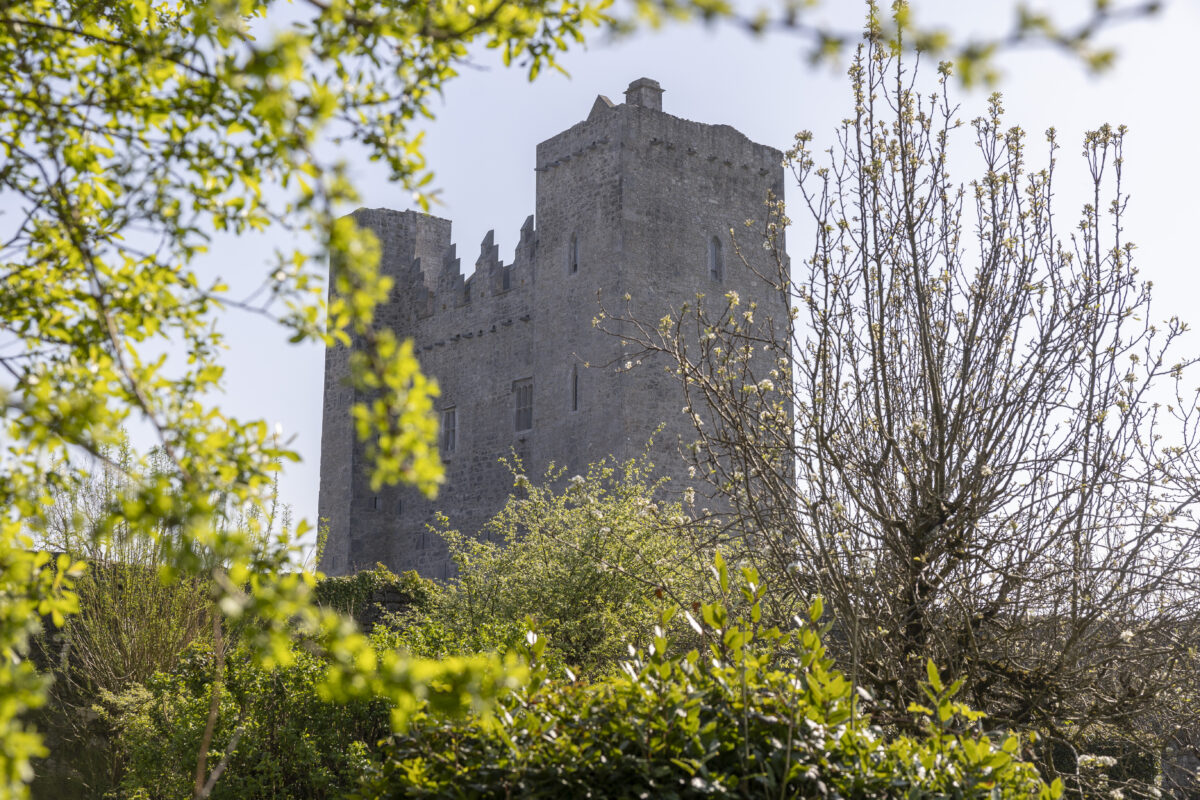
Barryscourt Castle
Barryscourt Lower in Co. Cork is home to Barryscourt Castle, a historical landmark that stands as a notable example of medieval Irish architecture. The castle represents an important part of the region's heritage and attracts visitors interested in exploring Ireland's historical sites. Historical landmarks such as this provide insight into the cultural and architectural traditions of their era, offering a tangible connection to the past. Visitors to the area can experience the structure and learn about its significance within local history.
Historic Buildings of Pope's Quay
Cork is home to Historic Buildings of Pope's Quay, a historical landmark that draws visitors interested in the city's architectural heritage. Pope's Quay represents an important part of Cork's urban landscape, with structures reflecting different periods of the city's development. Historical landmarks such as this serve as tangible connections to the past, offering insight into how communities evolved over time. Visitors to Cork often explore such sites to understand the local history and character of the area. The quay's historic buildings contribute to the distinctive character of Cork's riverfront.

Camden Fort Meagher
Crosshaven, Co. Cork is home to Camden Fort Meagher, a historical landmark situated on the scenic coastline. This fortification represents an important chapter in Irish military heritage and attracts visitors interested in history and heritage. The site functions as both a tourist attraction and historical place, offering insights into its strategic past. A café on the premises provides refreshments for those exploring the grounds. Visitors can expect to learn about the fort's role in Irish history whilst enjoying the coastal setting.
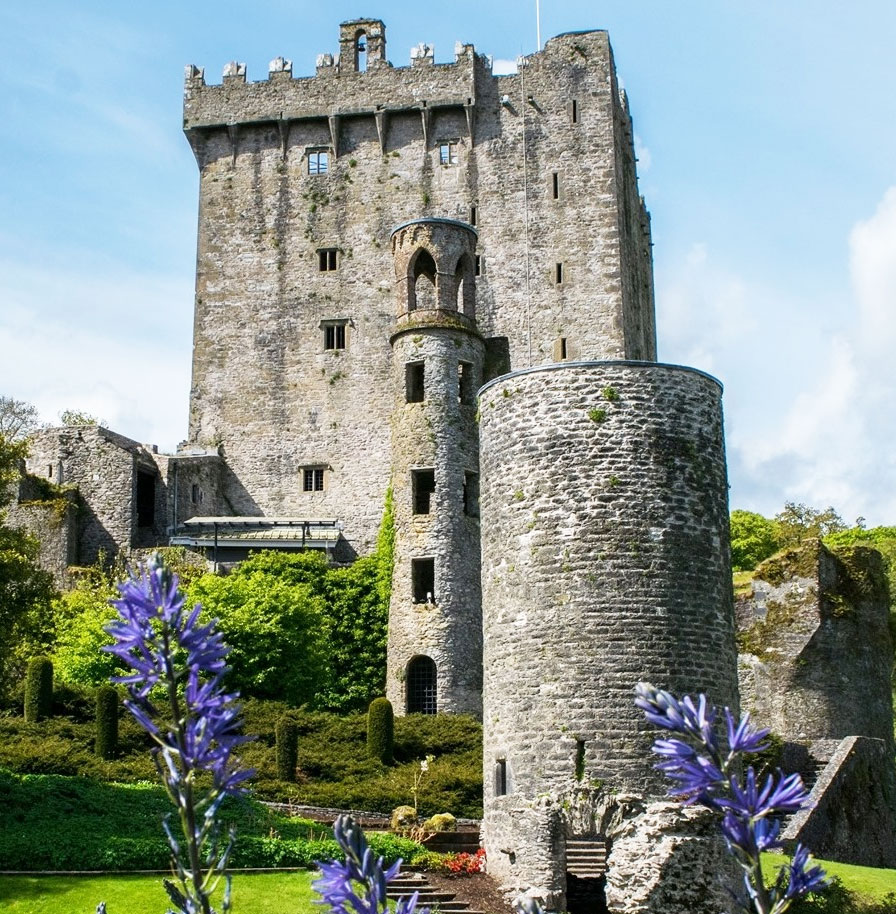
Blarney Castle & Gardens
Blarney Castle & Gardens is a historical landmark located in Cork, Co. Cork. The castle and its surrounding gardens attract visitors from across Ireland and beyond who wish to experience this significant piece of Irish heritage. Guests can explore the medieval structure and manicured grounds at their leisure. Historical landmarks such as this offer insight into Ireland's past and provide a tangible connection to the country's cultural legacy. The combination of architectural interest and natural beauty makes such destinations popular among those seeking to understand Irish history firsthand.
Related categories in Cork
Browse by town in Cork
Good to know
Historical Landmark in Cork — your questions answered
How many historical landmark businesses are there in Cork?
We list 101 historical landmark businesses across Co. Cork. The largest concentrations are in Cork (30), Cobh (3), Bantry (3) and Glanworth (2).
How do I find historical landmark near me in Cork?
Tap “Near me” at the top of the list to sort the 101 historical landmark businesses in Co. Cork by distance from your current location and see the closest first.
Which historical landmark businesses in Cork are rated best?
91 of the 101 historical landmark businesses in Co. Cork carry a customer rating, averaging 4.4 out of 5. The full ranking is at locallyirish.ie/best-of/historical-landmark/cork, where each entry states whether the score comes from reviews left here or from Google.
How complete are the historical landmark listings for Cork?
Of 101 historical landmark businesses in Co. Cork, 20 publish a phone number and 51 list their opening hours. A claimed listing carries a Verified badge on its profile.
Can I add my business in Cork?
Yes — a listing is free and goes live within minutes. Premium (€9/month) adds priority placement in this list.
Own a historical landmark business in Cork?
List free and get discovered by local customers searching in Cork.
List Your Business Free