Ulster · Ireland
Historical Landmark in Donegal
95 historical landmark businesses listed in Co. Donegal — contact details, opening hours and reviews, all in one place. Use “Near me” to see the closest to you.
Co. Donegal has 95 historical landmark businesses listed on LocallyIrish, with the largest concentrations in Buncrana (5), Donegal (5), Ballyshannon (5) and Bundoran (3). Every profile includes contact details and, where the business provides them, opening hours, reviews and a map. Tap Near me to sort by distance and find the closest to you.
Historical Landmark by town in Co. Donegal
Nothing matches that filter — clear it to see all listings.
Fort Dunree
A historical landmark situated in Buncrana, Co. Donegal, Fort Dunree offers visitors an insight into Ireland's military heritage. The site functions as both a museum and tourist attraction, with exhibits exploring the fort's significant role in Irish history. Facilities on site include a café where visitors can refresh themselves whilst exploring the grounds. The venue also serves as an event space, making it suitable for various occasions. Those interested in history, architecture, or local heritage will find Fort Dunree a worthwhile destination in the Inishowen Peninsula area.
Wee House of Malin
Wee House of Malin is a historical landmark situated in Ballygorman, County Donegal. This historical place attracts visitors interested in exploring the region's heritage and past. Historical landmarks such as this offer insight into local history and culture, providing an opportunity for tourists and locals alike to connect with the area's distinctive character. The landmark represents an important part of Donegal's historical landscape, drawing those keen to understand the stories and significance embedded in the locality's built environment and heritage.
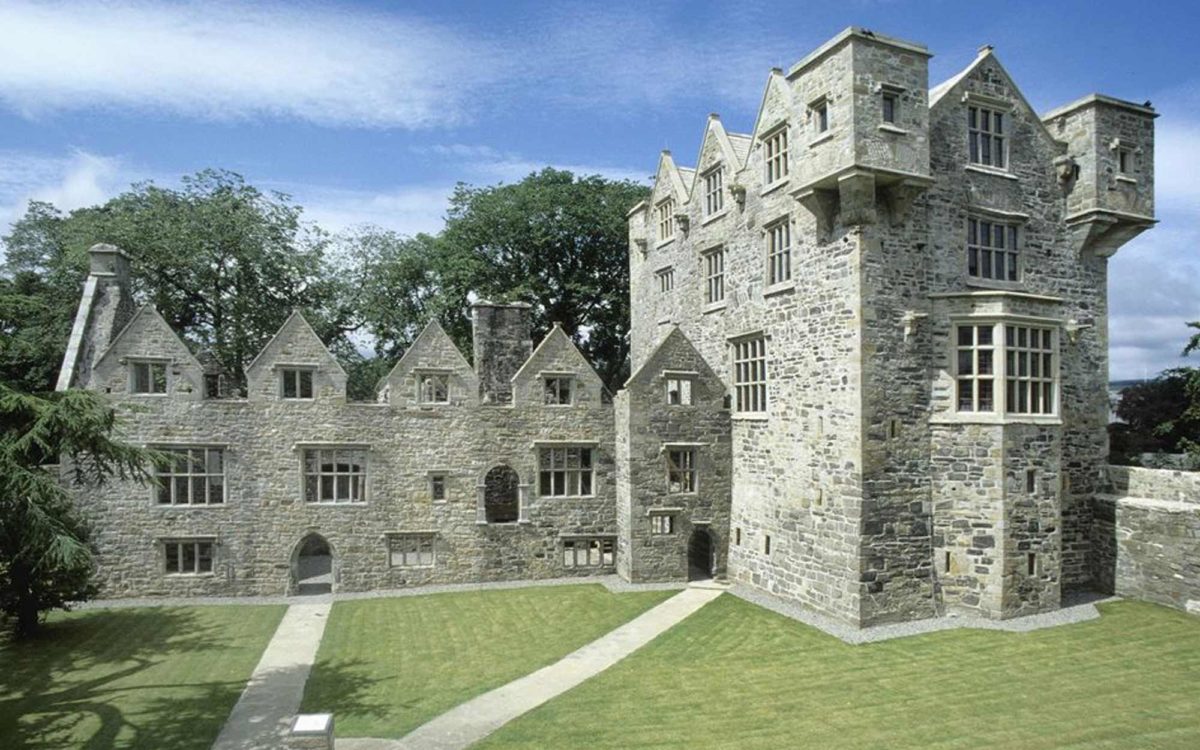
Donegal Castle
VerifiedOne of Ireland’s most splendid Gaelic castles
In the very heart of Donegal town, towering over the River Eske, stands Donegal Castle. Red Hugh O’Donnell himself built it as his personal fortress in the fifteenth century. It is said that, leaving to seek succour in Spain in the wake of the Battle of Kinsale, Hugh determined to make sure his castle would never ever fall into English hands – by setting it on fire.But he was to be disappointed. English captain Sir Basil Brooke became the castle’s new lord in 1616. As part of a massive programme of improvements, Brooke built a handsome manor house beside the tower. He also commissioned the magnificent chimney-piece, finely decorated with carved fruit and his own imperious coat of arms.The building complex fell into ruin in the twentieth century, but was brought back to its former glory in the 1990s. Currently, a suite of information panels illuminates the chequered history of the castle and its disparate owners.

Killydonnell Friary
Killydonnell Friary is a historical landmark situated in Co. Donegal. This historical place represents an important part of the county's architectural and cultural heritage. Visitors to the area can explore the ruins and learn about the religious and social history that shaped Donegal over centuries. Historical landmarks such as this offer insight into Ireland's past, providing a tangible connection to earlier periods of settlement and community life in the region.
Napoleonic Watch Tower
A historical landmark located in Co. Donegal, the Napoleonic Watch Tower stands as a notable remnant of early 19th-century Irish defensive architecture. Built during the Napoleonic Wars period, this structure reflects the strategic concerns of the era when coastal fortifications were erected across Ireland. The tower represents an important chapter in the county's military heritage. Visitors to Co. Donegal interested in historical sites and period architecture will find this landmark a significant point of interest for understanding the region's past and the broader historical context of the time.
McSwyne's Castle
Co. Donegal is home to McSwyne's Castle, a historical landmark that reflects the region's rich architectural heritage. Historical landmarks such as this offer visitors a tangible connection to Ireland's past, providing insight into the cultural and political landscapes of earlier centuries. The castle stands as a physical record of local history, inviting exploration and appreciation of the craftsmanship and construction methods of its era. Those interested in historical sites, heritage tourism, or local history will find such landmarks valuable destinations for understanding Donegal's story and significance.
Abbey Graveyard
Co. Donegal is home to Abbey Graveyard, a historical landmark that draws visitors interested in the area's rich heritage. This historical place offers insight into local history and provides a meaningful destination for those exploring Donegal's cultural landscape. Historical landmarks such as this serve as important records of the past, allowing visitors to connect with earlier periods and understand the development of their communities. Abbey Graveyard stands as part of the broader tapestry of historical sites that characterise the county.
Port Hall
Raymoghy Old Graveyard
Scallywags lookout
Flight of the Earls Memorial
Linsfort Church Of Ireland
Lough Derg Saints Island Friary
Casheleny Crannóg
Eire 82
Ray Bridge
Elagh Fort

Greencastle (Northburgh) Anglo Norman Castle
Co. Donegal is home to Greencastle Anglo Norman Castle, a historical landmark. This castle, also known locally as Northburg Castle, was built in 1305 by Richard de Burgh overlooking Lough Foyle. Its walls are over 12 feet thick. The castle was later attacked by cannons in 1555.
Drumdoit Ringfort
Ballindrait Windmill
Court Tomb
Doonalin Promontory Fort
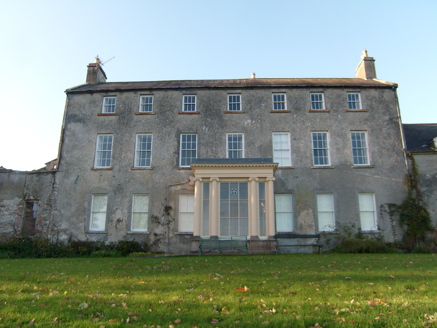
Fort Stewart
Fort Stewart, Co. Donegal, is a historical landmark that was built as a country house between 1720 and 1740. It features seven bays and three storeys, with a projecting Ionic porch. Additions were made to the northeast, southwest, and rear of the house, and it was renovated around 1825. The house overlooks Lough Swilly and has a yard with outbuildings to the rear.
Oughterlin Mass Rock
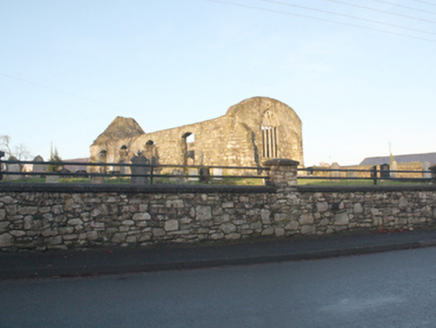
Rathmelton (Tullyaughnish) Ruined Church
Rathmelton Ruined Church is a historical landmark in Rathmelton, Co. Donegal. This former Church of Ireland church was built between 1619 and 1622. It remained in use until a later church was constructed. The building is now derelict with its roof removed. It features sandstone walls, buttresses, and various window openings, including a pointed four-light window with tracery to the east gable, which incorporates an earlier Romanesque fragment. A graveyard with gravemarkers dating from the eighteenth century onwards is located on site.
The Lime Kiln
Malin stone bridge
Ardmore Gallan Standing Stone
Danny McLaughlin Memorial Seat
Danny McLaughlin Memorial Seat is a Historical Landmark located in Co. Donegal. Historical landmarks serve as important points of reference within a community, often preserving local heritage and offering insight into the past. These sites can be places of remembrance, reflection, or simply points of interest that contribute to the cultural landscape of an area. The presence of such landmarks helps to connect people with their local history and identity.
Woodquarter Recreation Area
Rathmullan Priory
Horn Head (little)
The Laurentic Memorial
Dunree Head, Co. Donegal is home to The Laurentic Memorial, a historical landmark. Historical landmarks often serve as important points of reference for local heritage and national memory. They can provide valuable insights into past events and their significance. Such sites contribute to the cultural landscape of an area, drawing interest from locals and visitors alike who wish to connect with history. The Laurentic Memorial stands as a marker in Dunree Head, Co. Donegal for those interested in exploring the past.
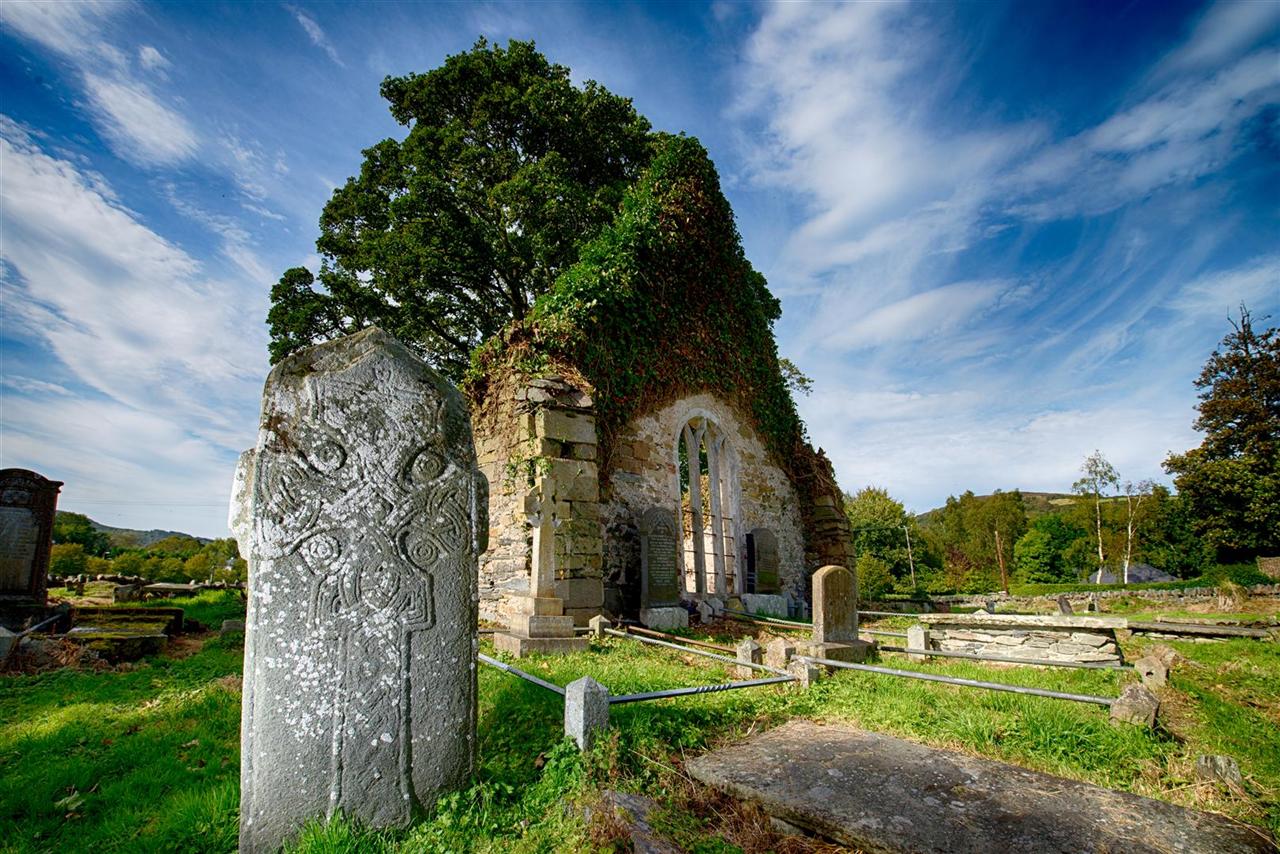
Fahan Mura Cross Slab
Fahan Mura Cross Slab is a historical landmark located in Co. Donegal. Historical landmarks serve as important markers of the past, offering insights into local heritage and culture. Such sites often attract visitors interested in archaeology and history, providing a tangible connection to previous eras. These locations can be focal points for community identity and educational opportunities, preserving stories and physical evidence for future generations to appreciate and learn from. Fahan Mura Cross Slab is one such point of interest within the landscape of Co. Donegal.
3 alley
Ballyhoorisky Monument
Morton God Dolmen, Iskaheen
Rock of Doon
Cliff of Pracha
Magazine Gate Derry City Walls
Dunree Lighthouse
Dunree Lighthouse is a historical landmark located in Co. Donegal. Lighthouses are often significant structures that have played a vital role in maritime history, guiding ships and marking coastlines. Many such landmarks across Ireland offer visitors a glimpse into the past and provide scenic viewpoints. Exploring historical sites like Dunree Lighthouse can be an enriching experience for those interested in local heritage and the natural beauty of the Irish coast.
Gartan Graveyard
O’Dohertys Keep
The Diamond, Raphoe
Fort Lenan
Ray Church
Father Hegarty's Rock
Mulroy Bay View
Mulroy Bay View is a historical landmark situated in Co. Donegal. Historical landmarks across Ireland often serve as focal points for local heritage and tourism, offering insights into the past and the stories that have shaped communities. Such sites contribute significantly to the cultural landscape, attracting visitors interested in local history and scenic beauty. The presence of historical landmarks helps preserve tangible links to earlier times, ensuring that the heritage of regions like Co. Donegal is accessible for future generations to appreciate and learn from.
Eire 80 Malin Head
Malin Head, Co. Donegal is home to Eire 80, a historical landmark. Historical landmarks across Ireland serve as important connections to the country's past, offering insights into significant events and eras. These sites often draw visitors interested in local heritage and national history. Eire 80 is situated in this scenic part of County Donegal, contributing to the area's rich tapestry of historical significance. Such landmarks are vital for understanding Ireland's diverse heritage.
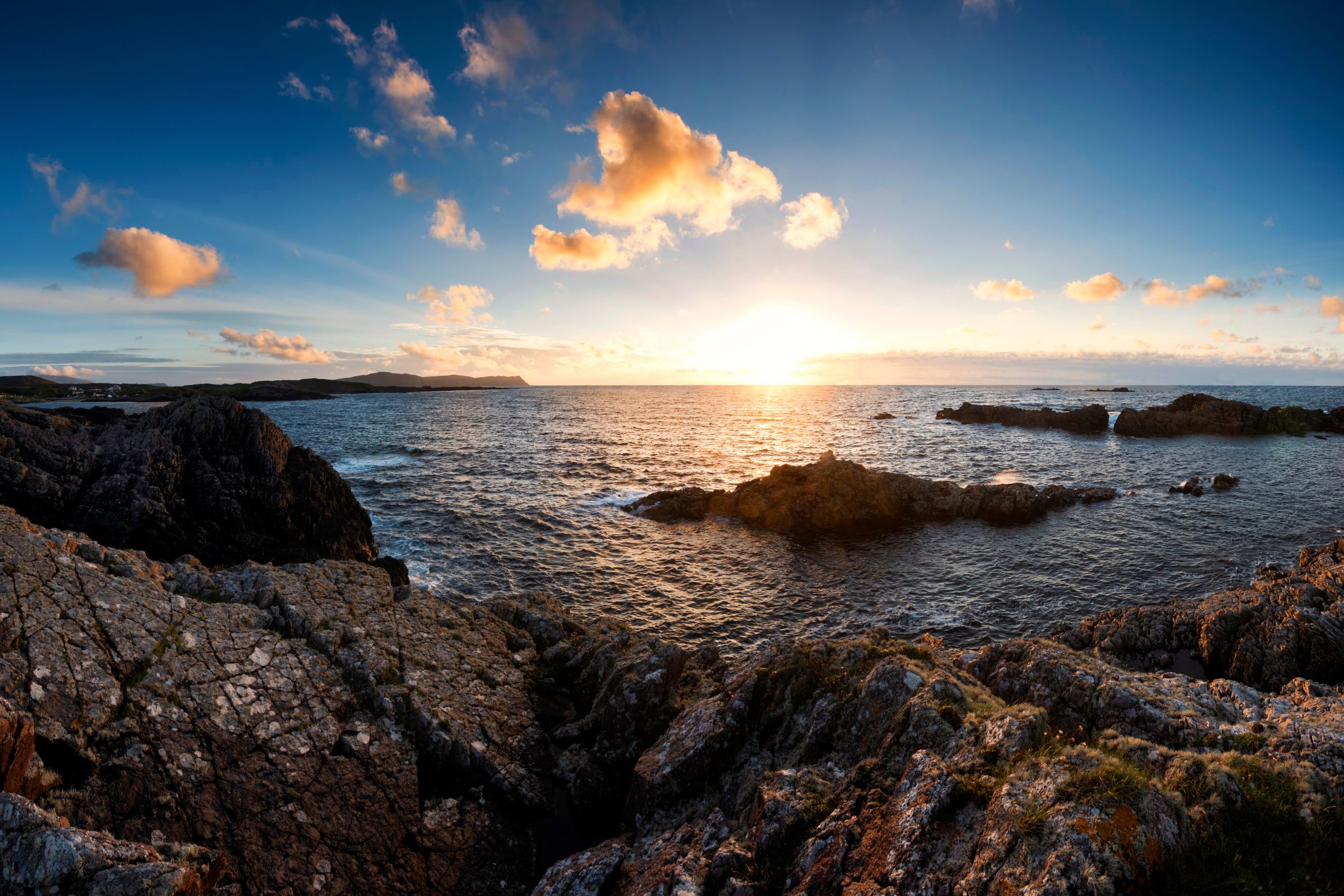
Rosguill Peninsula
Rosguill Peninsula is a historical landmark located in Co. Donegal. Historical landmarks across Ireland serve as vital links to the past, offering insights into the country's heritage and cultural evolution. These sites often tell stories of ancient settlements, significant events, and the people who shaped the landscape. Exploring such places can provide a deeper understanding and appreciation of local history and identity. Co. Donegal itself is rich in historical and natural attractions, drawing visitors interested in its unique heritage and scenic beauty.
S.S. Laurentic Memorial & Ship's Gun
Downings, Co. Donegal is home to the S.S. Laurentic Memorial & Ship's Gun, a historical landmark. Such landmarks often serve as focal points for local heritage and provide visitors with an insight into the area's past. Historical landmarks can represent significant events, commemorate individuals, or showcase notable structures. They are important for understanding local identity and contribute to the cultural landscape of a community. This particular landmark offers a connection to maritime history.
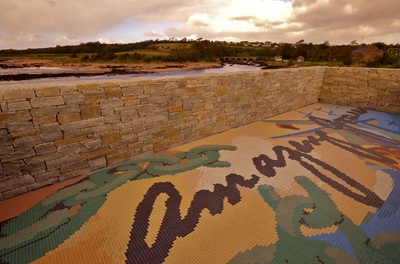
Amazing Grace Viewing Point
Amazing Grace Viewing Point is a Historical Landmark located in Buncrana, Co. Donegal. Viewing points offer visitors a chance to appreciate local scenery and historical context. Such landmarks often serve as focal points for local heritage and provide educational opportunities for those interested in the area's past. They are important for understanding the landscape and the stories associated with it. Visitors can gain insights into the region's development and cultural significance.
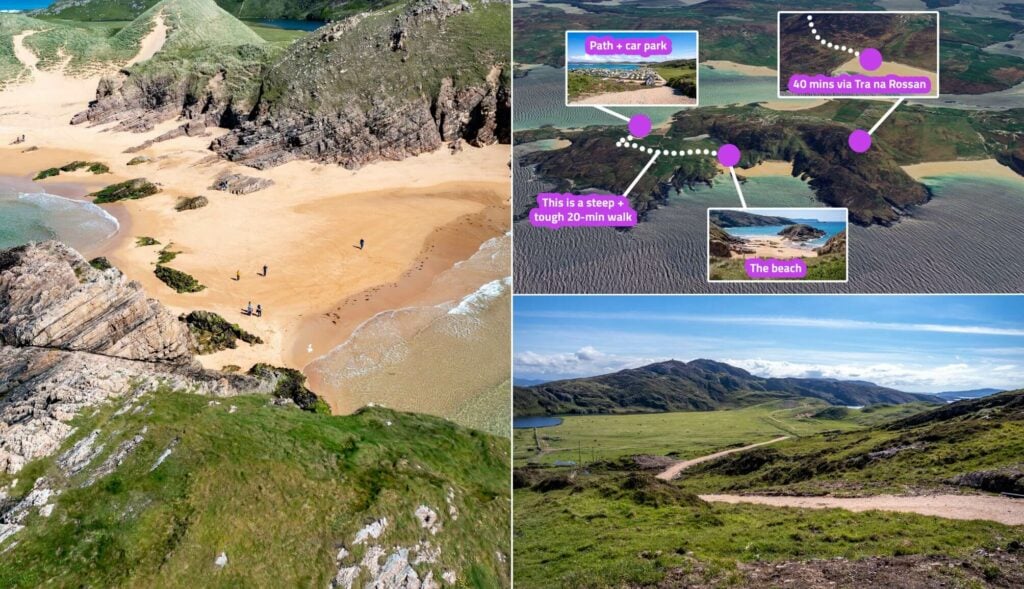
Murder Hole Beach
A historical landmark, Murder Hole Beach is located in Co. Donegal. Such sites offer visitors opportunities to connect with the past and learn about local heritage. Historical landmarks contribute to the rich tapestry of Irish culture and provide insights into the stories that have shaped communities. Exploring these places can be a rewarding experience for anyone interested in local history and the natural beauty of Ireland.
Pólifreann or Hells Hole
Co. Donegal is home to Pólifreann or Hells Hole, a historical landmark. Such sites offer a window into the past, often featuring geological formations or archaeological remains that tell a story of the land and its people. Exploring historical landmarks can provide valuable insights into local heritage and the natural history of an area. These places serve as important points of interest for visitors and locals alike, contributing to the cultural landscape of Co. Donegal.
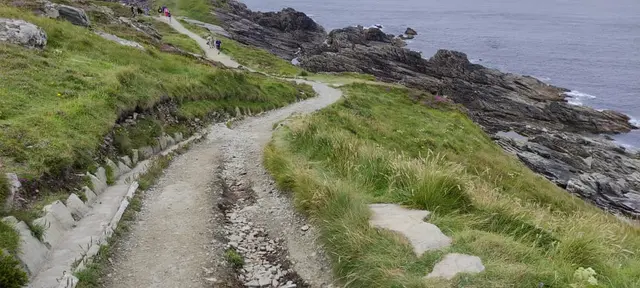
Malin Head
Malin Head is a historical landmark located in Co. Donegal. This significant site offers visitors a glimpse into the past and the natural beauty of the Inishowen Peninsula. Historical landmarks across Ireland often serve as important markers of heritage and culture, attracting those interested in local history and scenic landscapes. Malin Head provides an opportunity to explore such a place. Many historical landmarks are situated in areas of outstanding natural beauty, drawing visitors for both their historical significance and their picturesque surroundings.
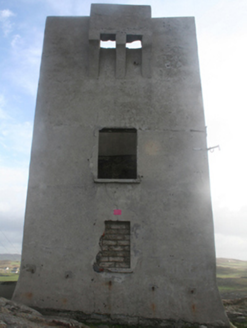
Lloyds Signal Tower- Malin Head
This historical landmark, Lloyds Signal Tower- Malin Head, is located in Co. Donegal. Historical landmarks serve as important connections to the past, offering insights into the lives and events that shaped communities. Such sites often play a role in local heritage and tourism, providing educational opportunities and a sense of place. Visitors to Co. Donegal can explore this site to learn more about its historical significance and enjoy the surrounding landscape.
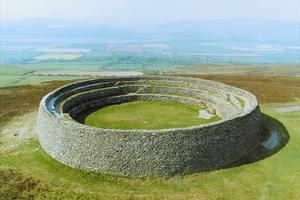
Grianan Of Aileach
Inishowen, Co. Donegal, is home to Grianan Of Aileach, a significant Historical Landmark. Such sites often provide a fascinating glimpse into Ireland's ancient past, offering visitors a tangible connection to the country's heritage. These locations typically feature impressive structures and are important for understanding regional history and archaeology. Exploring historical landmarks like Grianan Of Aileach allows for an appreciation of the ingenuity and culture of past generations.
Ballyshannon Town Center
Ballyshannon, Co. Donegal, is home to Ballyshannon Town Center, a historical landmark. Historical landmarks serve as vital links to the past, offering insights into the heritage and development of a locality. They often stand as focal points for community identity and can attract visitors interested in local history and culture. These sites contribute significantly to the unique character of a town or region, preserving stories and architectural styles for future generations.
Roosky Stone Circle
'Kits Castle'
Killybegs, Co. Donegal is home to Kits Castle, a historical landmark. Historical landmarks across Ireland offer visitors a glimpse into the past, often serving as educational and cultural focal points within their communities. Such sites can provide valuable insights into local heritage and historical events, attracting those interested in genealogy, history, and archaeology. These places contribute to the rich tapestry of Irish heritage, preserving stories and structures for future generations to appreciate and learn from.
The Red House, Kelp Factory
Pauper's Graveyard
EIRE 74
Co. Donegal is home to EIRE 74, a historical landmark. Historical landmarks in Ireland serve as tangible links to the nation's past, offering insights into significant events, cultural shifts, and the lives of those who shaped the country. These sites often draw visitors interested in heritage and the stories embedded within the landscape. Exploring such places can provide a deeper understanding of local and national identity.
Leitir Corn Mill
VerifiedA Living Piece of Donegal History
Leitir Corn Mill is a historic water-powered mill nestled in the beautiful countryside near Kilcar, Co. Donegal. An important part of our local heritage, the mill offers visitors a glimpse into a time when milling played a central role in rural life and the local economy.A visit to Leitir Corn Mill is a chance to step into the past, discover how generations before us lived and worked, and learn about the traditional skills and practices that shaped the surrounding community.By preserving and sharing the story of the mill, we are helping to keep this important part of Donegal’s heritage alive for local people and visitors to enjoy, explore and pass on to future generations. Please do not hesitate to get in contact and book a tour at anytime throughout the year.
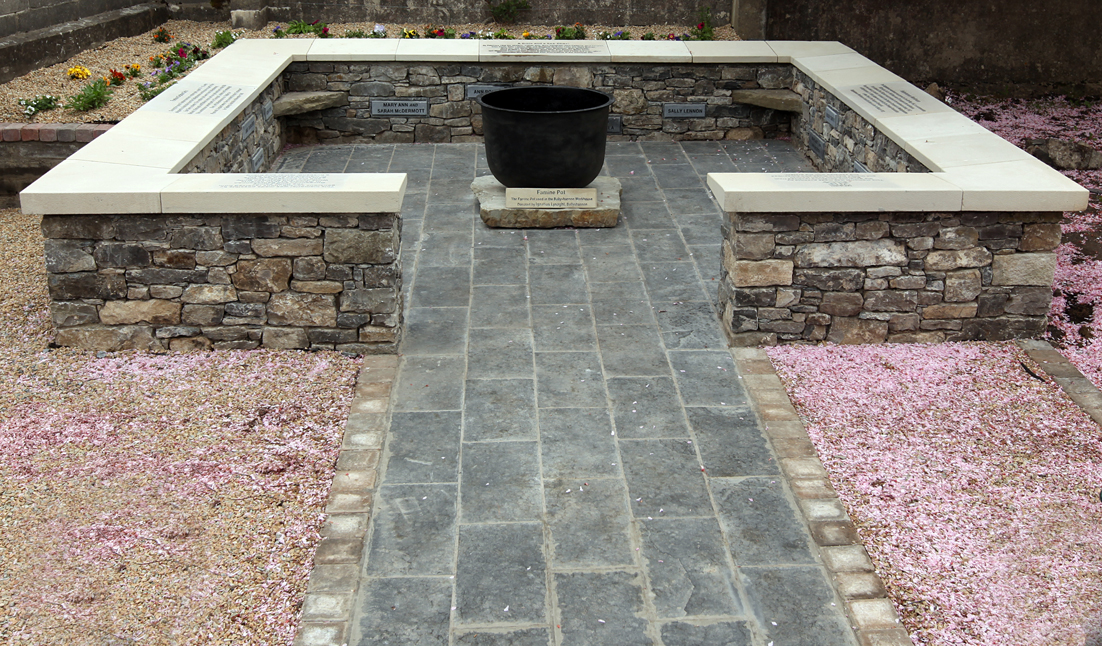
Ballyshannon Famine Orphan Memorial
Ballyshannon, Co. Donegal is home to the Ballyshannon Famine Orphan Memorial, a significant historical landmark. This memorial serves as a poignant reminder of a crucial period in Irish history, the Great Famine, and its profound impact on communities and families across the island. Historical landmarks like this are vital for understanding the past and preserving collective memory for future generations. They offer a space for reflection and education about the challenges and resilience of the Irish people.
Miler McGrath Castle
Inishkeel Monastic Site National Monument
Co. Donegal is home to Inishkeel Monastic Site National Monument, a historical landmark. Historical landmarks across Ireland offer a glimpse into the nation's past, often serving as important centres of heritage and culture. These sites frequently feature ancient ruins, archaeological remains, and significant historical architecture. Visitors can explore and learn about the stories and events that shaped the local area and the country as a whole.
Killaghtee Old Church, Cemetery, and Ancient Stone Slab Cross
Killaghtee Old Church, Cemetery, and Ancient Stone Slab Cross is a historical landmark located in Co. Donegal. Historical landmarks across Ireland serve as important connections to the past, offering insights into local heritage and historical events. Such sites often attract visitors interested in archaeology, history, and genealogy. Exploring these locations can provide a deeper understanding of the cultural landscape and the lives of those who came before. Killaghtee Old Church, Cemetery, and Ancient Stone Slab Cross is part of this rich tapestry of Irish history.
Famine Pot
St. Joseph's Church The Rock Ballyshannon
St. Joseph's Church The Rock is a historical landmark located in Ballyshannon, Co. Donegal. Historical landmarks serve as important sites for understanding local heritage and culture. These locations often feature unique architecture and historical significance, drawing visitors interested in the past. They provide insights into the development and stories of a community, acting as tangible connections to bygone eras for both residents and tourists alike.
The Signal Tower
Salthill Gardens
Salthill Gardens is a historical landmark located in Salthill, Co. Donegal. Historical landmarks often serve as important sites for understanding local heritage and culture. These places can offer insights into the past, providing a connection to the people and events that shaped a region. Visitors to such sites may find opportunities for reflection and learning about the historical context of their surroundings. Salthill Gardens is part of this important category of historical attractions within County Donegal.
Doon Fortress / Fort
Doon Fortress is a historical landmark located in Co. Donegal. Historical landmarks often serve as important centres for learning and cultural appreciation. These sites can provide significant insights into the past, offering visitors a tangible connection to history and heritage. They are frequently places of interest for both local communities and tourists alike, contributing to the understanding and preservation of regional identity. Exploring such locations can be an enriching experience, allowing for a deeper appreciation of the historical narratives that have shaped a place.
Largy Fort
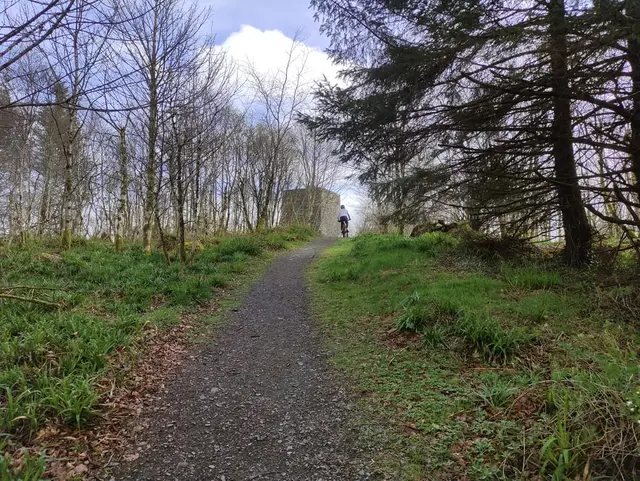
The Steeple 'Mullaghagarry' Tower
The Steeple 'Mullaghagarry' Tower is a historical landmark located in Stranorlar, Co. Donegal. Historical landmarks often provide a window into the past, with their structures and surroundings telling stories of bygone eras. These sites can be important for local heritage and for visitors interested in learning about regional history. Stranorlar, situated in County Donegal, is a town with its own unique character and place within Irish history. The Steeple 'Mullaghagarry' Tower contributes to the historical tapestry of the area.
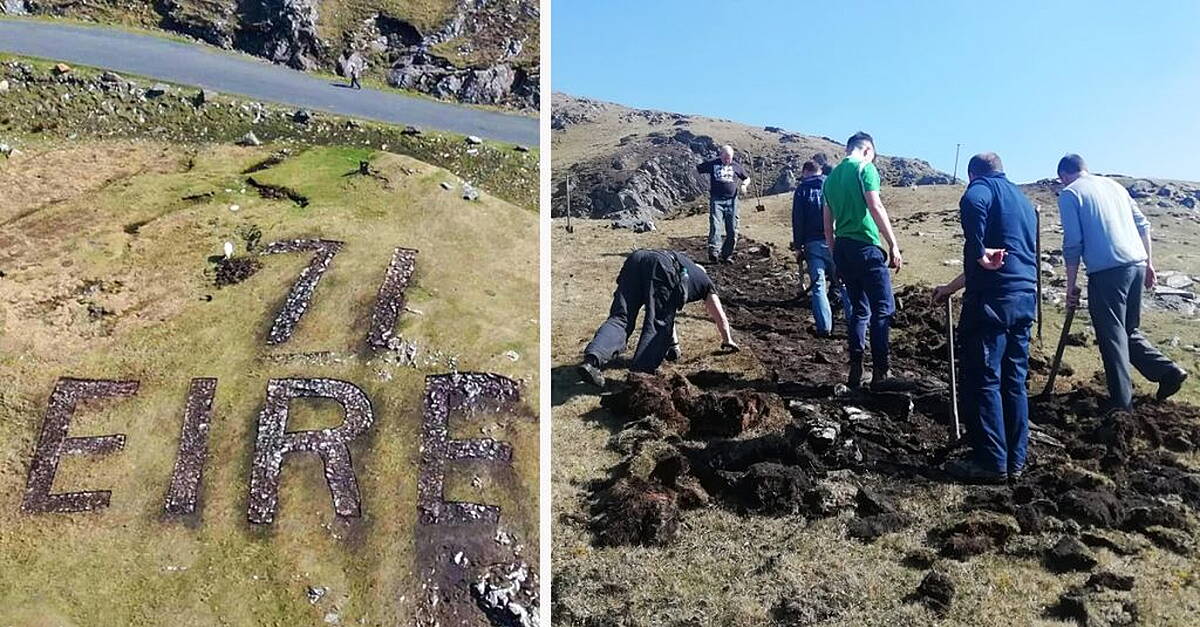
EIRE 71 Sliabh Liag
EIRE 71 Sliabh Liag is a Historical Landmark located in Co. Donegal. Historical landmarks serve as important markers of past events and cultural heritage, offering visitors a connection to the history of a place. Such sites often attract those interested in genealogy, local history, and the heritage of Ireland. The preservation and understanding of these sites are vital for maintaining a link to the past for future generations.
Eire Sign
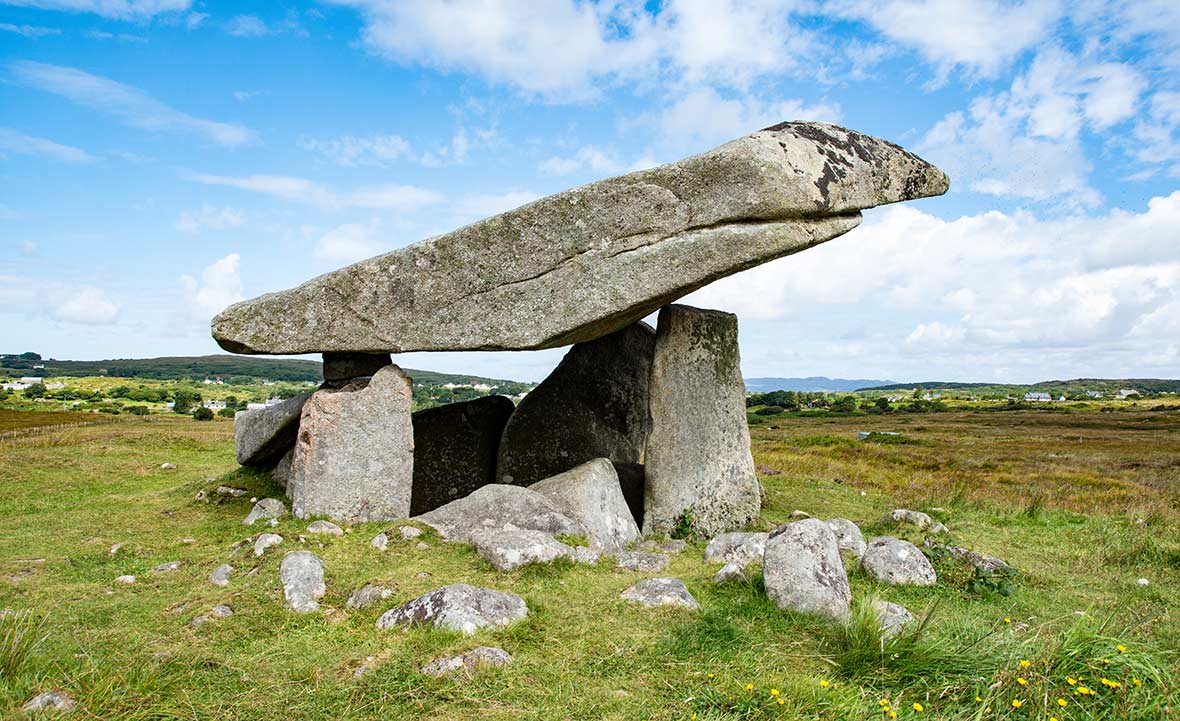
Kilclooney Dolmen
Kilclooney Dolmen is a historical landmark located in Co. Donegal. Historical landmarks offer a glimpse into the past, providing educational and cultural experiences for visitors. These sites often showcase ancient structures and landscapes, allowing people to connect with heritage and learn about the lives of those who came before. Exploring such places can be a rewarding way to spend time, offering insights into the history and archaeology of a region. Co. Donegal is known for its rich historical tapestry, with many sites of interest to discover.

Rory Gallagher Statue
Ballyshannon, Co. Donegal is home to the Rory Gallagher Statue, a significant historical landmark. Such landmarks often serve as focal points for local heritage and tourism, drawing visitors interested in the stories and people that shaped a region. This particular site commemorates a celebrated figure, offering a tangible connection to musical history and the cultural landscape of County Donegal. It stands as a point of interest for those exploring the area and its notable personalities.
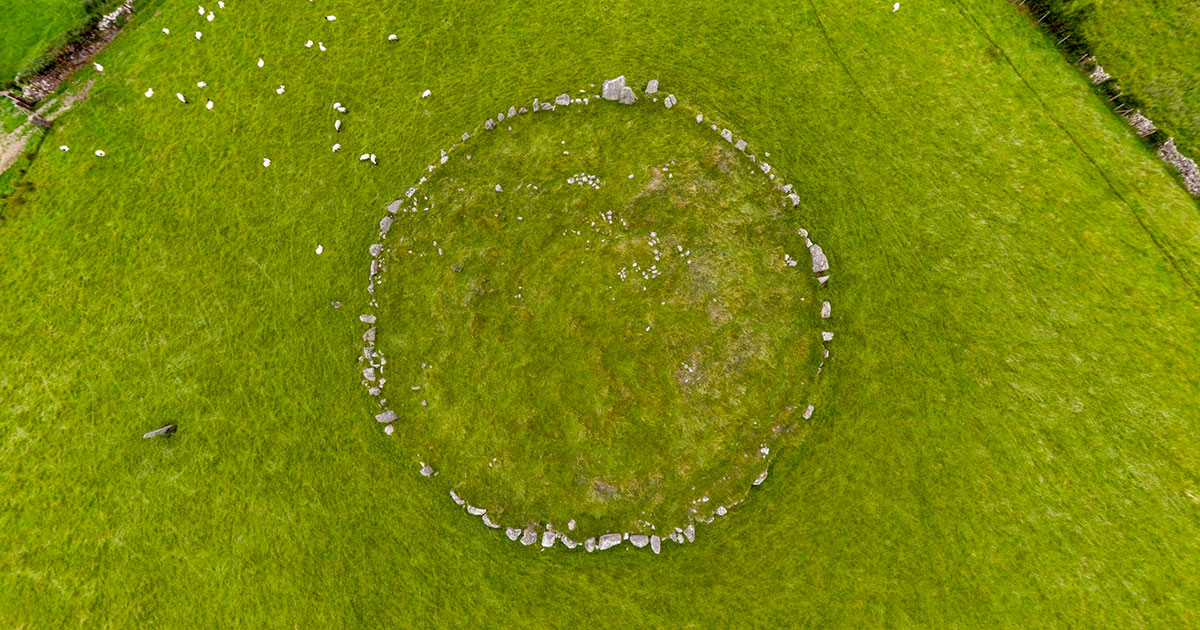
Beltany Stone Circle
Beltany Stone Circle is a historical landmark located in Raphoe, Co. Donegal. This ancient site is part of Ireland's rich archaeological heritage, offering a glimpse into prehistoric times. Sites like Beltany Stone Circle are important for understanding the landscape and beliefs of early communities. Visitors can explore the megalithic structure and appreciate its historical significance within the wider context of Irish heritage.
Ballymunterhiggin Court Tomb
Drumacrin Promontory Fort
Rosary Chapel Bundoran
Rosary Chapel is a historical landmark located in Bundoran, Co. Sligo. Historical landmarks often serve as important sites for understanding the heritage and past of a locality. These places can offer insights into local history, architecture, and the cultural development of an area. Visitors to such sites can learn about the stories and events that have shaped the community over time. Exploring historical landmarks provides a connection to the past, enriching one's appreciation for the local area's unique identity and legacy.
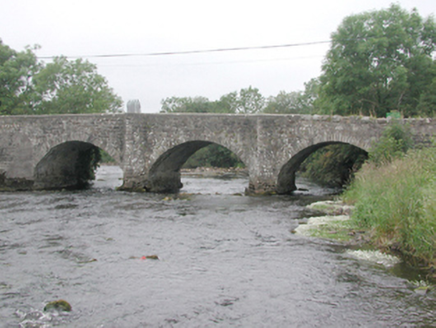
Four Masters Bridge
Bundoran, Co. Sligo is home to Four Masters Bridge, a historical landmark. Historical landmarks across Ireland serve as tangible links to the past, offering insights into local heritage and significant events. They often feature unique architectural styles or are associated with stories and legends that have shaped communities over generations. Visiting such sites provides an opportunity to connect with the history of a place and appreciate its cultural importance. Four Masters Bridge contributes to the rich tapestry of historical sites found throughout County Sligo and the wider region.
Church of Our Lady Star of the Sea Bundoran
Bundoran, Co. Sligo is home to the Church of Our Lady Star of the Sea, a significant historical landmark. Historical landmarks across Ireland serve as tangible links to the past, often holding architectural or cultural importance for their local communities. They can represent periods of significant development, faith, or artistic expression. Such sites are valuable for understanding the heritage of a region and are frequently visited by locals and tourists alike seeking to connect with history.
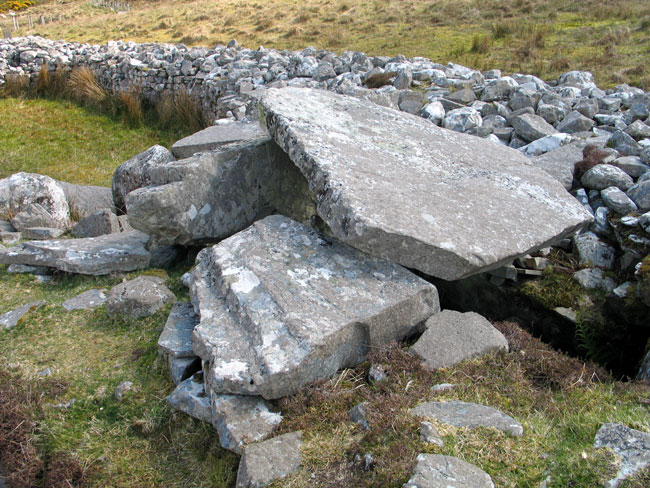
Cloghanmore Megalithic Tomb
Glencolumbkille, Co. Donegal is home to Cloghanmore Megalithic Tomb, a historical landmark of archaeological significance. This ancient monument represents the rich prehistoric heritage found throughout the region. Megalithic tombs such as this are among Ireland's most important archaeological sites, offering insight into the lives and burial practices of Neolithic and Bronze Age communities. Visitors to the area can explore this historical place and appreciate its place within Donegal's broader cultural landscape. The site contributes to understanding Ireland's ancient past and the communities that inhabited these lands thousands of years ago.

Abbey of Donegal
A historical landmark situated in Donegal, Co. Donegal, Abbey of represents an important part of Ireland's ecclesiastical heritage. Such sites typically draw visitors interested in medieval architecture, religious history, and cultural significance. The Abbey of stands as a notable place of worship and historical location within the county, offering insight into the region's past. Visitors to Donegal often seek out these landmarks to understand the area's rich historical context and the role such buildings played in Irish society over centuries.
Burt Castle
Burt Castle is a historical landmark located in County Donegal. This structure represents an important part of the region's architectural heritage and offers visitors insight into the area's past. Historical landmarks such as this serve as tangible connections to local history and culture, allowing people to explore and understand the stories that have shaped their communities. County Donegal contains numerous sites of historical significance, making it a destination for those interested in Irish heritage and architecture.
Dunlewey Church abandoned
Co. Donegal is home to Dunlewey Church abandoned, a historical landmark that reflects the area's rich past. This historical place stands as a remnant of earlier times, offering visitors insight into the region's architectural and cultural heritage. Abandoned structures such as this provide valuable context for understanding how communities have evolved across generations. The landscape of Donegal contains numerous such sites, each telling part of the broader story of Irish history and settlement patterns throughout the county.
Glencolmcille Folk Village
A historical landmark and museum in Glencolumbkille, Co. Donegal, Glencolmcille Folk Village offers visitors an insight into traditional Irish rural life. The site functions as a tourist attraction showcasing heritage and cultural history through its collection of buildings and artefacts. Visitors can explore how communities lived and worked in earlier times, experiencing the architectural styles and domestic arrangements characteristic of the region. The folk village provides an educational and immersive experience for those interested in Irish heritage and traditional ways of living.
Donegal Town Diamond
Donegal, Co. Donegal is home to Donegal Town Diamond, a historical landmark of local significance. The Diamond serves as a focal point within the town centre, reflecting the area's heritage and character. Historical landmarks such as this one provide visitors and residents alike with a tangible connection to the past, offering insight into the development and story of their locality. The site represents an important part of Donegal's historical landscape and continues to be a notable feature of the town's streetscape and community identity.
Famine Graveyard
Famine Graveyard is a historical landmark located in Donegal, Co. Donegal. This site serves as a poignant reminder of Ireland's Great Famine period and the hardship endured by local communities during that devastating era. The graveyard stands as an important historical place, offering visitors an opportunity to reflect on this significant chapter of Irish history. As a tourist attraction, it provides insight into the county's past and the resilience of its people. Historical landmarks such as this preserve collective memory and allow both locals and visitors to connect with Donegal's heritage.
Wardtown Castle
A historical landmark located in Co. Donegal, Wardtown Castle represents an important part of the region's architectural heritage. Historical sites such as this offer visitors insight into Ireland's past, with structures that reflect the building traditions and historical events of their era. Those interested in exploring the locality's cultural landscape will find value in visiting such landmarks, which contribute to understanding the broader historical narrative of Donegal and its communities.

Glenveagh Castle
Church Hill, Co. Donegal is home to Glenveagh Castle, a historical landmark that draws visitors interested in Ireland's architectural heritage. This castle functions as both a tourist attraction and museum, offering insight into the region's past. Visitors to the area can explore the structure and grounds, which represent an important part of Donegal's cultural landscape. Historical landmarks of this nature typically provide guided tours and exhibitions that contextualise their significance within Irish history and local heritage.
Doe Castle
Doe Castle is a historical landmark located in Co. Donegal. This castle stands as a significant point of interest for visitors exploring the county's rich heritage. Historical landmarks such as Doe Castle offer insights into Ireland's architectural past and the stories of those who inhabited them. The site attracts history enthusiasts and tourists keen to understand the region's cultural significance. Co. Donegal contains numerous historical sites reflecting centuries of Irish history, making it an appealing destination for those interested in heritage and archaeology.
Related categories in Donegal
Browse by town in Donegal
Good to know
Historical Landmark in Donegal — your questions answered
How many historical landmark businesses are there in Donegal?
We list 95 historical landmark businesses across Co. Donegal. The largest concentrations are in Buncrana (5), Donegal (5), Ballyshannon (5) and Bundoran (3).
How do I find historical landmark near me in Donegal?
Tap “Near me” at the top of the list to sort the 95 historical landmark businesses in Co. Donegal by distance from your current location and see the closest first.
Which historical landmark businesses in Donegal are rated best?
74 of the 95 historical landmark businesses in Co. Donegal carry a customer rating, averaging 4.6 out of 5. The full ranking is at locallyirish.ie/best-of/historical-landmark/donegal, where each entry states whether the score comes from reviews left here or from Google.
How complete are the historical landmark listings for Donegal?
Of 95 historical landmark businesses in Co. Donegal, 12 publish a phone number, 62 list their opening hours and 2 have been claimed and confirmed by the owner. A claimed listing carries a Verified badge on its profile.
Can I add my business in Donegal?
Yes — a listing is free and goes live within minutes. Premium (€9/month) adds priority placement in this list.
Own a historical landmark business in Donegal?
List free and get discovered by local customers searching in Donegal.
List Your Business Free