Ulster · Ireland
Historical Landmark in Cavan
49 historical landmark businesses listed in Co. Cavan — contact details, opening hours and reviews, all in one place. Use “Near me” to see the closest to you.
Co. Cavan has 49 historical landmark businesses listed on LocallyIrish, with the largest concentrations in Belturbet (7), Ballyjamesduff (2), Blacklion (2) and Moneygashel (2). Every profile includes contact details and, where the business provides them, opening hours, reviews and a map. Tap Near me to sort by distance and find the closest to you.
Historical Landmark by town in Co. Cavan
Nothing matches that filter — clear it to see all listings.
Cavan Burren Park
A historical landmark situated in Blacklion, Co. Cavan, Cavan Burren Park offers visitors an opportunity to explore the area's geological and cultural heritage. The park provides access to the distinctive karst landscape characteristic of the Cavan Burren region, where limestone formations and natural features shape the terrain. Visitors can discover walking trails and viewpoints that showcase the locality's natural environment whilst learning about the historical significance of the site. The park serves as a point of interest for those interested in geology, local history, and outdoor exploration in the county.
Killykeen Forest Park
A historical landmark situated in Co. Cavan, Killykeen Forest Park welcomes visitors seeking to explore natural beauty and heritage. The park encompasses woodland trails, scenic vistas, and opportunities for outdoor recreation across its expansive grounds. Visitors to Co. Cavan can experience the landscape and environment that characterises this part of the midlands. Historical landmarks in the region offer insight into local heritage and provide accessible spaces for walking, photography, and enjoying the countryside.
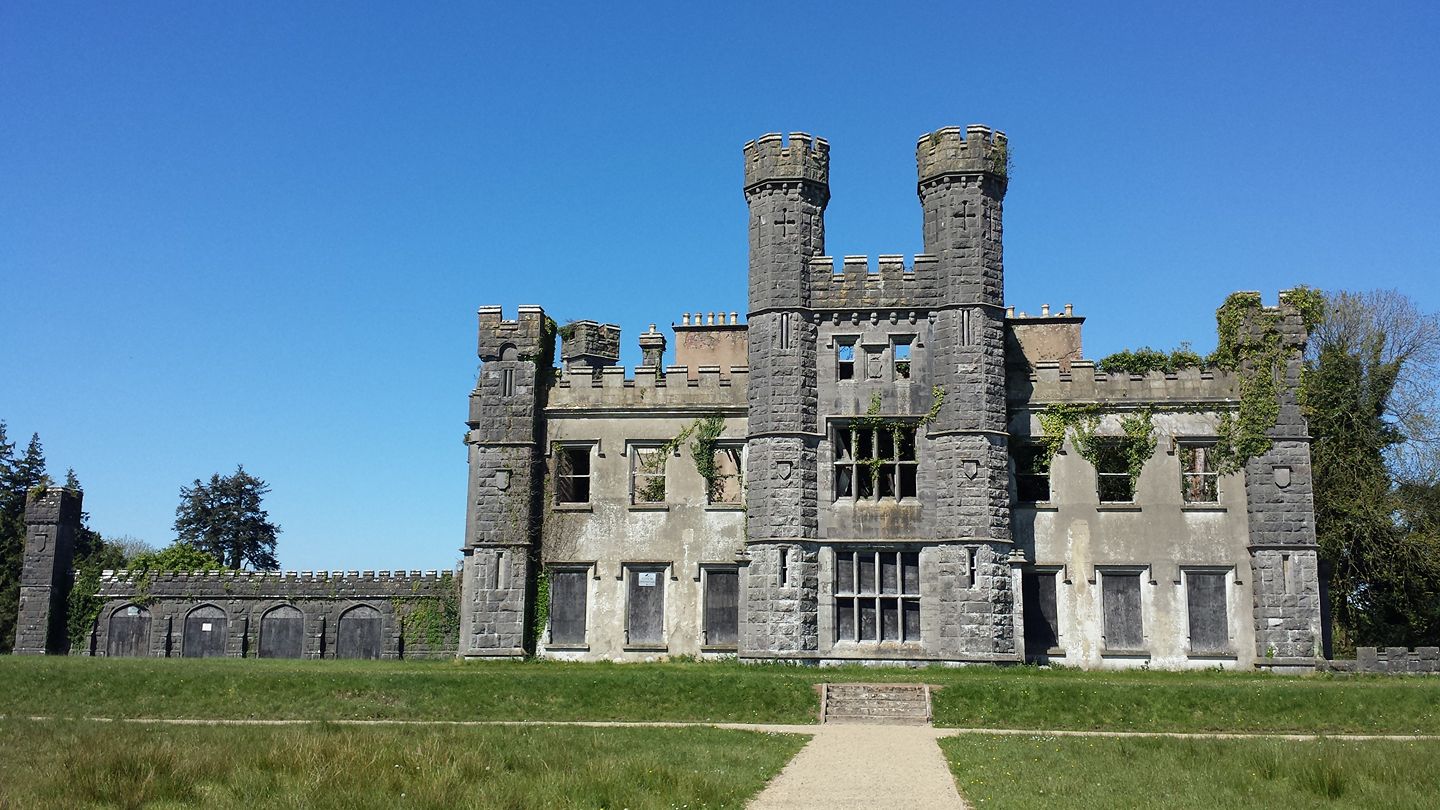
Castle Saunderson
A historical landmark located in Co. Cavan, Castle Saunderson stands as a significant point of interest for those exploring the county's heritage. Historical landmarks such as this offer visitors insight into local history and architectural heritage. Castle Saunderson welcomes those interested in experiencing and learning about the area's past. The castle represents an important part of Co. Cavan's cultural landscape and provides a tangible connection to the region's historical narrative. Visitors to the locality often find such historical sites valuable for understanding the development and character of their surroundings.
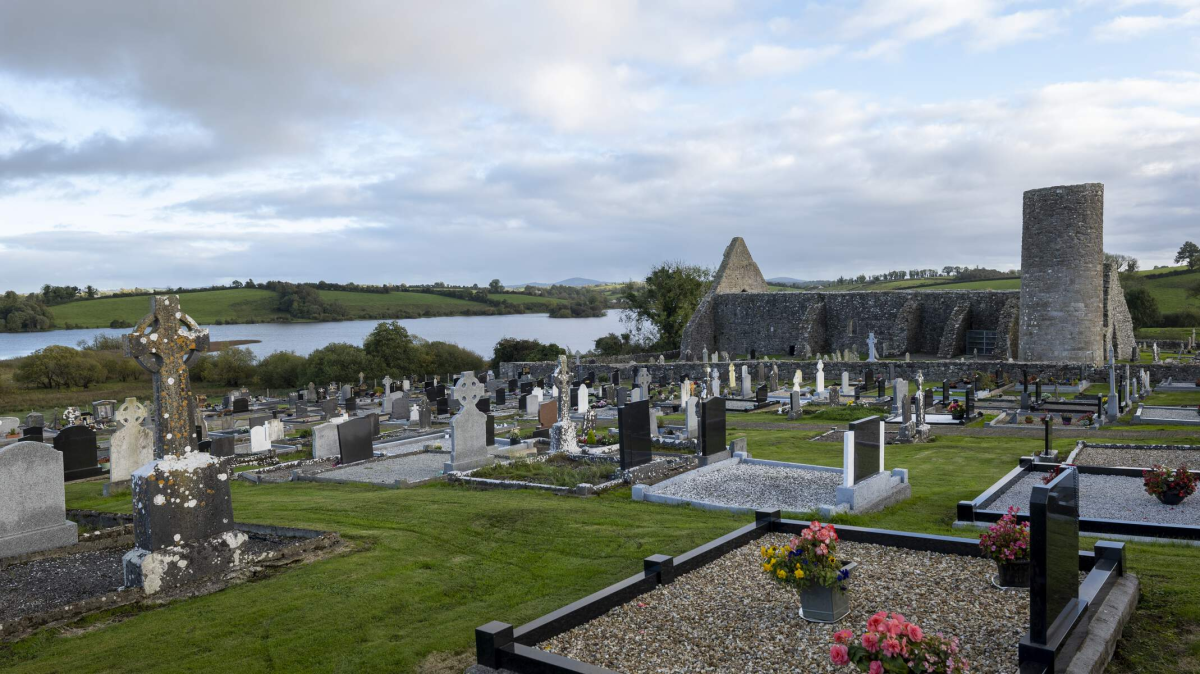
Drumlane Abbey and Round Tower
A historical landmark in Co. Cavan, Drumlane Abbey and Round Tower represents an important part of Ireland's medieval heritage. The site encompasses both monastic ruins and a distinctive round tower, structures that reflect the religious and architectural traditions of early Irish Christianity. Visitors to the area can explore these remnants of the past, which serve as a window into the county's historical significance. Such landmarks attract those interested in archaeology, history, and Irish cultural heritage throughout the region.
Giants Leap Wedge Tomb
Co. Cavan is home to Giants Leap Wedge Tomb, a historical landmark of archaeological significance. Wedge tombs are among Ireland's oldest megalithic structures, typically dating to the Neolithic period. These monuments consist of a wedge-shaped chamber constructed from stone slabs, often positioned to align with the setting sun. Giants Leap Wedge Tomb represents an important example of prehistoric Irish burial architecture. Visitors to Co. Cavan interested in archaeology and ancient history will find this site offers insight into early Irish settlement patterns and funerary practices. The landscape surrounding such monuments often provides scenic views of the local countryside.
Tullygobban Hill Wedge Tomb
St. Dympna's Holy Well
St. Dympna's Holy Well is a historical landmark in Corriga, Co. Cavan, situated along the Lavey River area. The site attracts visitors interested in spirituality and local heritage. Access involves walking along narrow field paths and bridges, with limited parking available nearby. The well itself is set in a rural location with local history tied to Saint Dympna. Visitors should wear appropriate footwear due to uneven terrain and be aware of site hazards. The surrounding landscape offers a secluded, peaceful atmosphere for those seeking spiritual reflection.
Burren SW Portal Tomb
Star Fort
The Boulder Grave
The Calf House dolmen
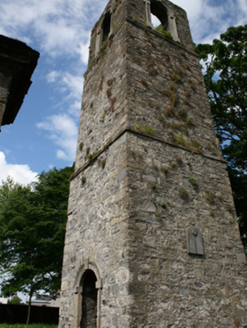
Abbey Tower
County Cavan is home to Abbey Tower, a historical landmark that stands as a notable example of the region's architectural heritage. Historical places such as this offer visitors insight into Ireland's past and the cultural significance of local structures. Abbey Tower represents part of Cavan's historical landscape, drawing those interested in exploring the county's landmarks and learning about its development through the centuries. The site provides an opportunity to experience the tangible history embedded in the locality's built environment and understand the historical context that shaped the area.
Castle Saunderson Chapel
Killinagh old graveyard 12th century cemetery
Moneygashel Fort
Killycluggin Stone
Co. Cavan is home to Killycluggin Stone, a historical landmark of archaeological significance. This ancient stone monument represents an important part of Ireland's prehistoric heritage and cultural landscape. Visitors to the area can explore this historical place and learn about the region's rich past. Historical landmarks such as this one offer insight into the lives and beliefs of ancient Irish communities, making them valuable destinations for those interested in archaeology, history, and heritage tourism throughout the county.
Bawnboy Mausoleum
Belturbet Masonic Lodge
Castle Bagshaw Ringfort
Crannóg
Crannóg
Deanery Banks
Druidic Altar Wedge Tomb
Kilconny Bridge
Port Island Anglo-Norman Castle
Site of John Grey's Motte-&-Bailey Castle
The Bawn
Toberbride Holy Well
Altnasheen McGovern Farm Ruin
Ballyconnell Castle/House
Percy French Statue
WWII Pillbox
Ballyheady Cairn
The Big Tree
The Big Tree is a Historical Landmark located in Behey, Co. Cavan. Historical landmarks across Ireland serve as important markers of the past, offering insights into local heritage and natural history. Such sites often draw visitors interested in genealogy, local lore, and the natural environment. They can be significant features in the landscape, contributing to the character and identity of a region. These places provide educational opportunities and can be focal points for community events and tourism. The Big Tree in Behey, Co. Cavan, is part of this tradition of preserving and appreciating historical and natural sites.
Gartnanoul Megalithic Court Tomb
Crichton Tower
Finn MacCool's Fingers
The boat house
The Boat House is a historical landmark situated in Co. Cavan, drawing visitors interested in the area's heritage and past. As a tourist attraction, it serves as a point of interest for those exploring the locality and learning about its historical significance. Historical landmarks such as this typically offer insight into the cultural and architectural legacy of their region, providing context for understanding how communities developed over time. Visitors to Co. Cavan often seek out such sites to deepen their appreciation of local history and heritage.

Erica's Fairy Forest
A historical landmark and tourist attraction in Cootehill, Co. Cavan, Erica's Fairy Forest offers visitors a unique park experience. Such attractions in rural Ireland often provide opportunities for exploration and leisure, drawing those interested in local heritage and natural settings. The forested environment typical of these spaces creates an inviting destination for families and tourists seeking outdoor activities and cultural interest in the Cavan area.
Tullydermot Falls
Co. Cavan is home to Tullydermot Falls, a historical landmark that draws visitors interested in the area's natural and cultural heritage. Waterfalls and similar geographical features across rural Ireland serve as focal points for tourism and outdoor exploration. Such sites often provide insight into the landscape's geological history and the locality's significance over time. Visitors to Co. Cavan can discover various attractions that reflect both the region's natural beauty and its past, making it a worthwhile destination for those exploring Irish heritage and scenery.
Old Stone Dwelling
Belturbet, Co. Cavan is home to Old Stone Dwelling, a historical landmark of local significance. The area around Belturbet offers visitors an opportunity to explore the region's built heritage and architectural history. Historical landmarks such as this one provide insight into traditional construction methods and the way people lived in earlier periods. Those interested in local history, heritage tourism, or simply exploring the character of rural Irish settlements will find such sites of considerable interest and value.
Loughanleagh & Muff Heritage Trust
Loughanleagh & Muff Heritage Trust is a historical landmark and tourist attraction located in Kingscourt, Co. Cavan. The trust preserves and promotes the cultural and historical significance of the local area, offering visitors an opportunity to engage with the region's heritage. Historical landmarks such as this serve as important repositories of local history, providing insight into the traditions, events, and people that have shaped communities over time. Visitors to Kingscourt can explore the heritage offerings and learn more about the area's past.
Tonymore Castle
A historical landmark, Tonymore Castle stands in Co. Cavan as a notable example of the region's architectural heritage. Castles such as this represent important points of interest for those exploring Irish history and heritage. Visitors to the area often seek out such sites to gain insight into the county's past and the structures that have shaped its landscape. Tonymore Castle offers an opportunity to experience the historical character of Co. Cavan and understand the broader context of castle architecture found throughout Ireland.
Lavey Crannog
Lavey Crannog is a historical landmark located in Knock, Co. Cavan. A crannog is an ancient artificial island dwelling, and this example represents an important part of Irish archaeological heritage. Such structures date back centuries and offer visitors insight into how people lived in prehistoric and early medieval Ireland. The site provides an opportunity to explore the region's rich past and understand the construction methods and daily life of ancient communities. Cavan's countryside contains numerous historical points of interest for those interested in Irish history and archaeology.
Ballymagauran Castle
Ballymagauran Castle is a historical landmark located in County Cavan. This structure represents an important part of the local heritage and landscape. Historical landmarks such as this offer visitors insight into the architectural and cultural history of the region. County Cavan contains numerous sites of historical significance, reflecting centuries of Irish history and development. Those interested in exploring the area's past and understanding the evolution of local communities often visit such landmarks to appreciate their historical context and construction.
Lough Oughter Castle Island
Co. Cavan is home to Lough Oughter Castle Island, a historical landmark situated within the scenic landscape of the county. This castle stands as a point of interest for visitors exploring the region's heritage and archaeological significance. Lough Oughter Castle Island represents the type of medieval fortification that characterises Ireland's historical landmarks, offering insight into the architectural and defensive structures of past centuries. The locality of Co. Cavan contains numerous sites of historical importance, making it a destination for those interested in Irish history and heritage exploration.
Flemings Folly
Flemings Folly is a historical landmark located in Co. Cavan. This structure stands as a point of interest for visitors exploring the county's heritage and historical sites. Historical landmarks such as this offer insight into the architectural and cultural history of their regions. Tourists and locals alike often visit such places to learn about the area's past and to appreciate the craftsmanship and design of earlier periods. Co. Cavan contains numerous sites of historical significance that contribute to the broader understanding of Irish history and heritage.
Cohaw Court Tomb
A historical landmark located in County Cavan, Cohaw Court Tomb represents an important archaeological site reflecting the region's prehistoric heritage. Court tombs such as this are among Ireland's oldest monuments, typically dating back thousands of years to the Neolithic period. These structures offer visitors insight into ancient burial practices and the societies that constructed them. The site attracts those interested in archaeology, history, and Ireland's rich cultural legacy. County Cavan contains numerous historical sites, making it a notable destination for heritage enthusiasts exploring the midlands.
Cavan County Museum
Cavan County Museum is a historical landmark located in Ballyjamesduff, Co. Cavan. The museum functions as both a tourist attraction and art gallery, offering visitors insight into the county's past through its collections. History museums such as this typically preserve and display artefacts, documents, and exhibitions that reflect the heritage and cultural identity of their region. Ballyjamesduff and the wider Cavan area have a significant historical background, and the museum serves as an important repository for local knowledge and artistic works.
Related categories in Cavan
Browse by town in Cavan
Good to know
Historical Landmark in Cavan — your questions answered
How many historical landmark businesses are there in Cavan?
We list 49 historical landmark businesses across Co. Cavan. The largest concentrations are in Belturbet (7), Ballyjamesduff (2), Blacklion (2) and Moneygashel (2).
How do I find historical landmark near me in Cavan?
Tap “Near me” at the top of the list to sort the 49 historical landmark businesses in Co. Cavan by distance from your current location and see the closest first.
Which historical landmark businesses in Cavan are rated best?
25 of the 49 historical landmark businesses in Co. Cavan carry a customer rating, averaging 4.6 out of 5. The full ranking is at locallyirish.ie/best-of/historical-landmark/cavan, where each entry states whether the score comes from reviews left here or from Google.
How complete are the historical landmark listings for Cavan?
Of 49 historical landmark businesses in Co. Cavan, 2 publish a phone number and 12 list their opening hours. A claimed listing carries a Verified badge on its profile.
Can I add my business in Cavan?
Yes — a listing is free and goes live within minutes. Premium (€9/month) adds priority placement in this list.
Own a historical landmark business in Cavan?
List free and get discovered by local customers searching in Cavan.
List Your Business Free